
➜ BUSH AND HEDGE TRIMMING
BUSH AND HEDGE TRIMMING IN Middleborough, MA & Surrounding Areas
Prune a spring-flowering shrub in March and you cut off the flowers, because lilac, forsythia, and rhododendron set their buds the previous summer. Timing decides the result far more than technique does. Swift Landscape and Design trims to that calendar rather than to convenience. This page covers precision hedge shaping, bush pruning, ornamental shrub work, overgrowth control, seasonal pruning, and privacy hedge upkeep for residential and commercial properties throughout Middleborough, MA & Surrounding Areas, on visit schedules built around each species.
Thoughtful Trimming for Healthy, Well-Shaped Plants
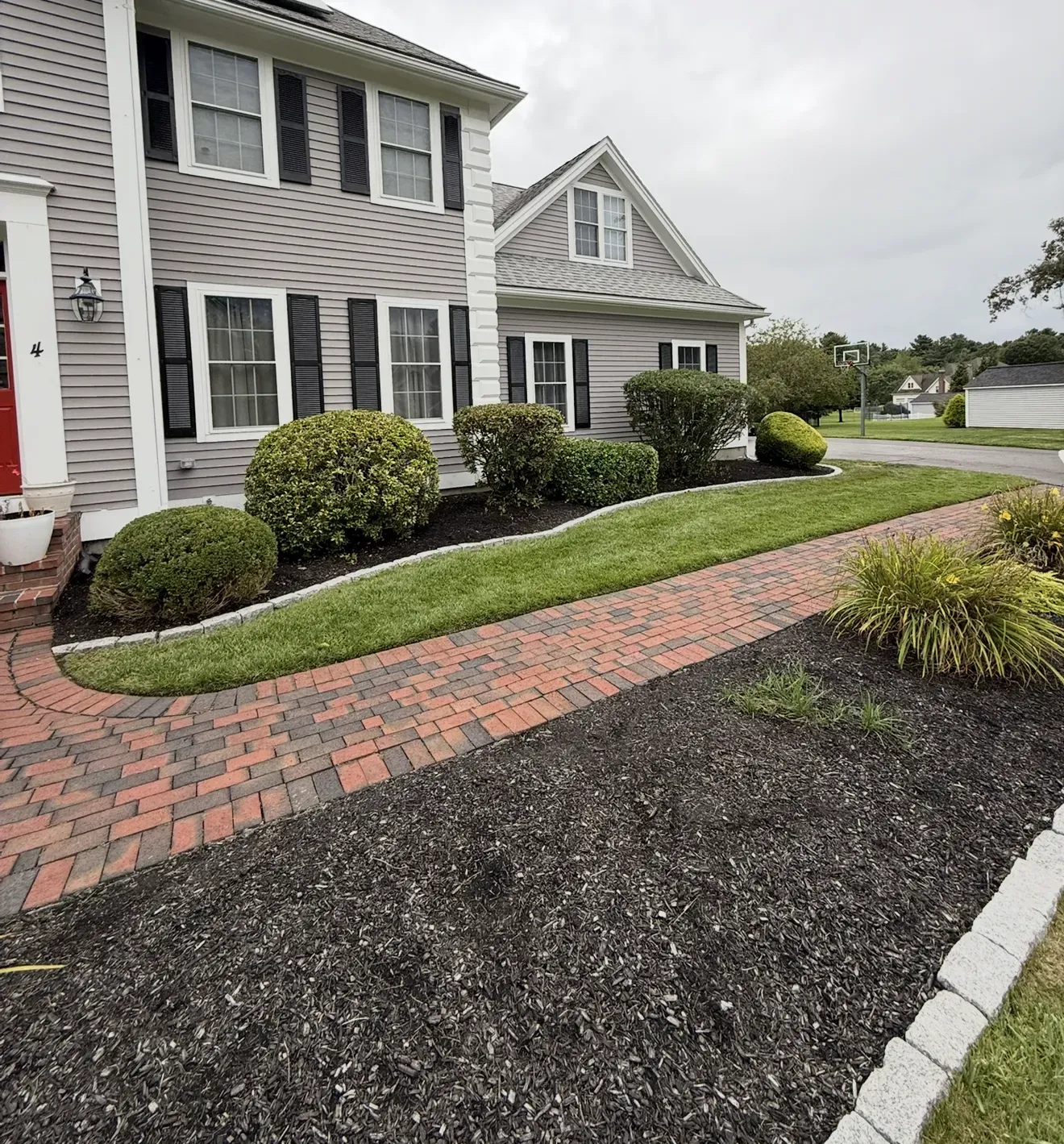
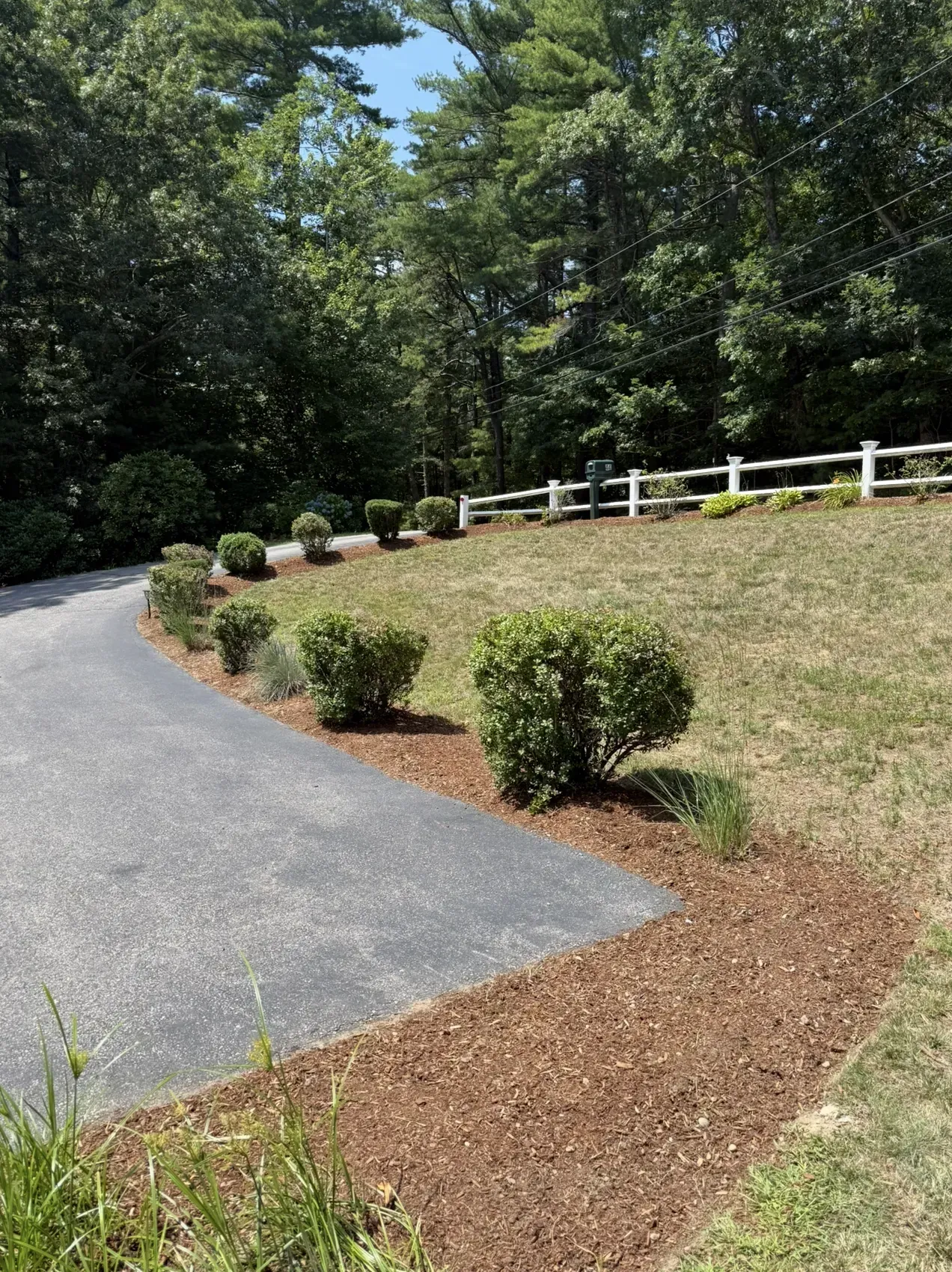
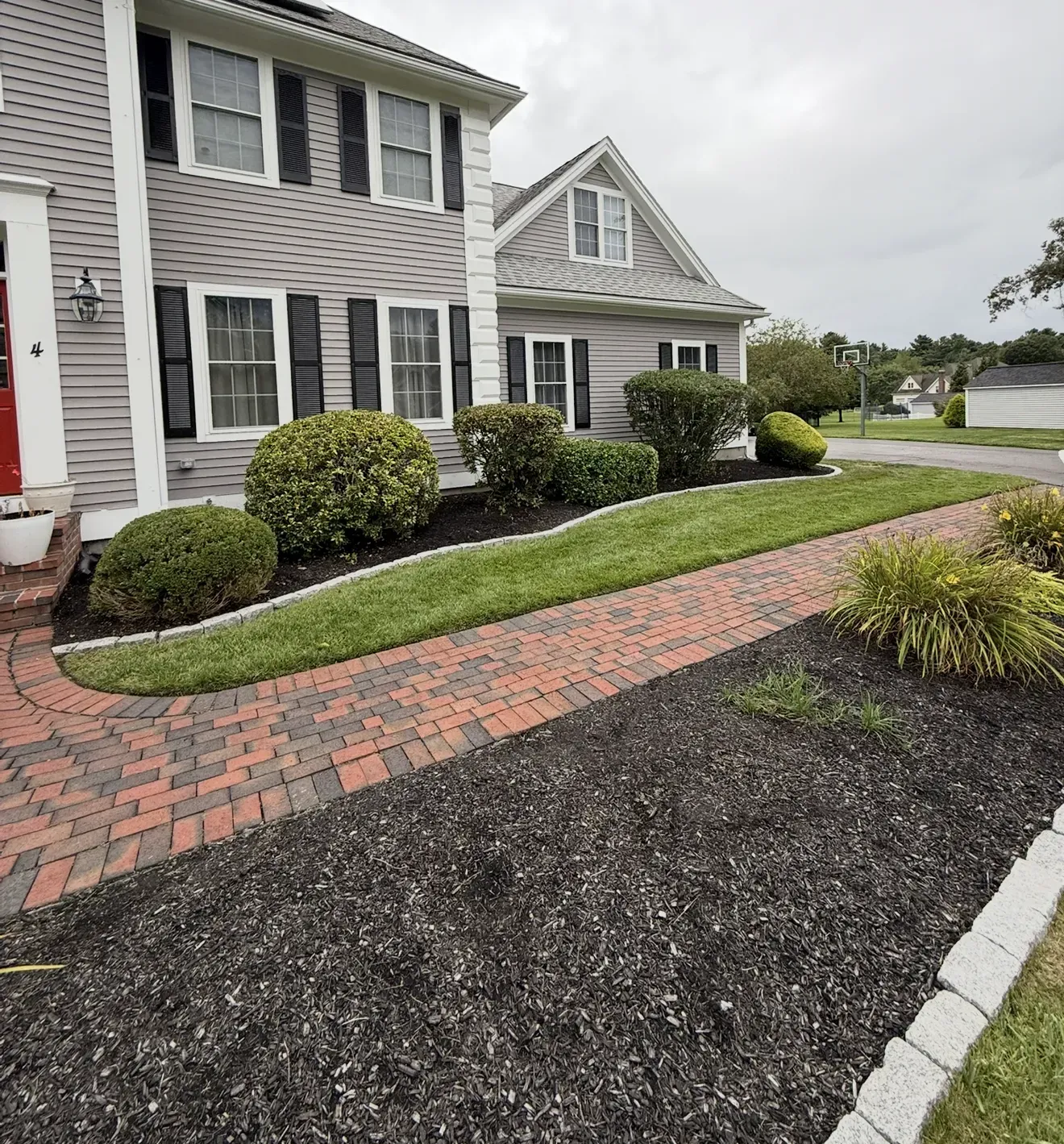
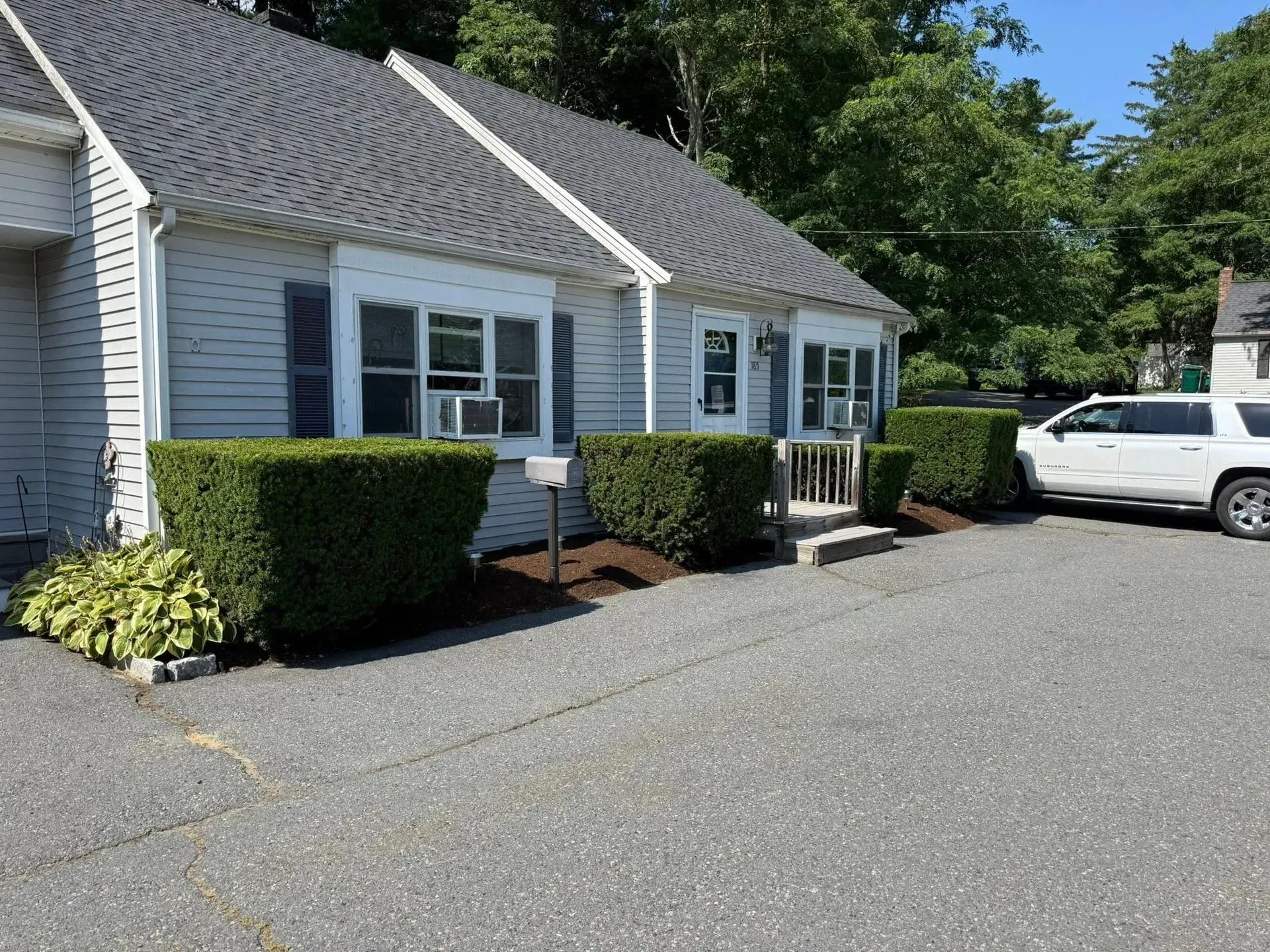
Well-maintained shrubs add structure, privacy, and definition to your landscape. Our approach considers each plant’s growth habit, condition, and location so trimming supports an attractive shape without removing more growth than the plant can tolerate.
Depending on the planting, that may involve light shaping, selective pruning, or a gradual approach to reducing overgrowth. We also consider access around walkways, visibility near driveways, and clearance around your home.
- Base kept wider than the top for light
- Cuts made at nodes, not mid-stem
- Interior thinned for air movement
- Timing matched to each species
➜ BUSH AND HEDGE TRIMMING
SHRUBS FORGIVE ALMOST NOTHING IN JULY.
Heavy pruning in high summer strips a plant of the leaves it needs during its most stressful weeks, and cuts made late in the season push tender growth that winter kills outright. Dormant-season work suits most deciduous shrubs, evergreens tolerate light shaping through the growing season, and anything that flowers on old wood gets pruned right after it blooms. Getting that order wrong costs a season of flowers or, on a stressed plant, the plant.
OUR HEDGES LIVE IN SALT AIR AND SNOW LOAD.
Southeastern Massachusetts asks a lot of a hedge. Wet snow splays arborvitae open at the crown and they never fully close again. Road salt burns the street side of a privet through February. Coastal wind dries evergreen foliage while the roots are frozen and cannot replace the water. We prune with that in mind, keeping crowns tight enough to shed snow and shaping street-side plants to grow back from the damage they will take.
A Practical Plan for Overgrown Shrubs
Overgrown shrubs need an approach suited to their species, health, and available space. Some respond well to rejuvenation pruning, while others have limited ability to recover after substantial cutting. We assess your plantings and recommend selective trimming, gradual reduction, or replacement when a shrub no longer fits its location.
WHY CHOOSE US FOR BUSH AND HEDGE TRIMMING.
WE KNOW THE PLANT FIRST
Identification comes before the trimmer starts. Hydrangeas alone split into groups that bloom on old wood and new, and cutting the wrong one at the wrong time costs you an entire season of flowers.
Careful Overgrowth Management
We recommend a realistic approach to restoring the size and shape of overgrown plantings. Where gradual pruning is appropriate, the work can be planned across multiple visits to preserve healthy growth while improving clearance and appearance.
CLEANUP IS PART OF IT
Clippings get collected, beds get raked out, and hard surfaces get blown clean before we leave. You should not be able to tell where we worked except by looking at the hedge.
SHAPES THAT HOLD
We shape to a line and keep the taper, so the hedge you approve stays that shape between visits instead of drifting wider at the top every time it is cut.
SCHEDULED, NOT CHASED
Recurring trimming visits get planned into your season so hedges are cut at the right point in their cycle, rather than whenever the overgrowth finally becomes impossible to ignore.
PART OF A BIGGER PLAN
Trimming folds into mulch, cleanups, and lawn care under a single yearly budget plan, which means one crew who knows the property, one schedule, and one predictable monthly payment.
➜ WHAT WE TRIM
OUR BUSH AND HEDGE TRIMMING WORK
Six kinds of work cover most of what shrubs need here, and a single property usually calls for more than one. Each is priced by the plants involved rather than by the hour.
CLEAN LINES
Precision Hedge Shaping
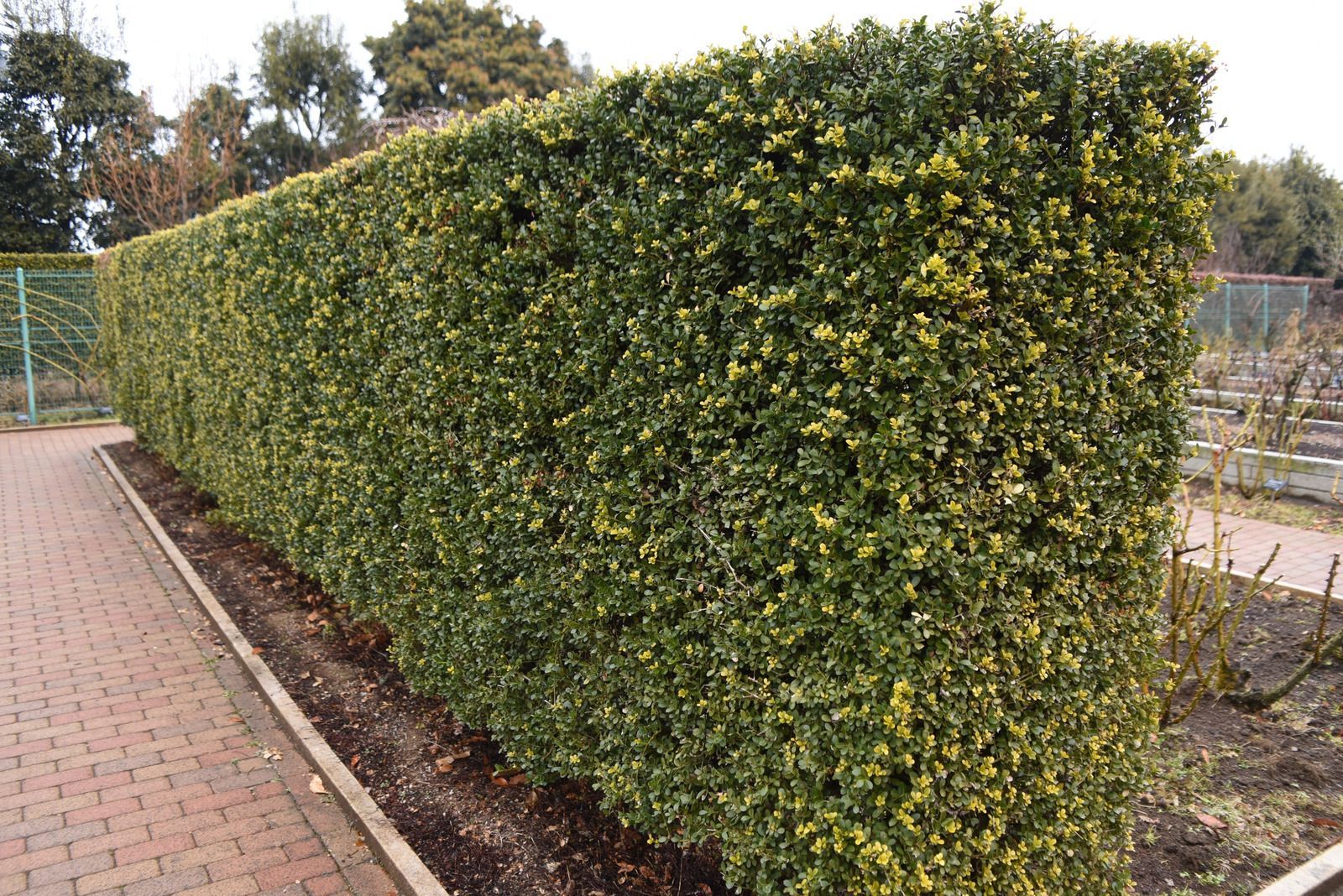
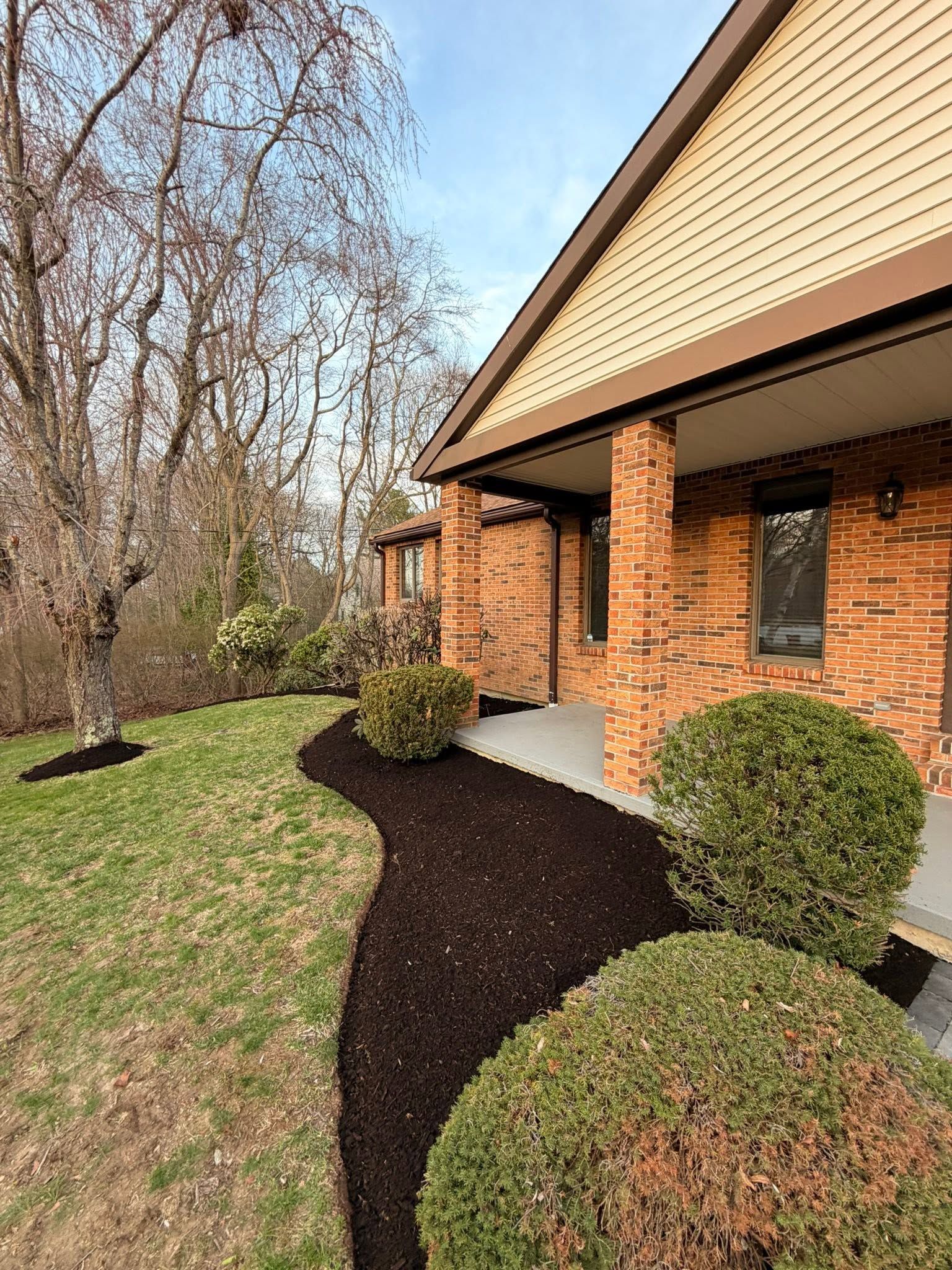
Formal hedges get cut to a defined line with a taper from base to top, using guides where the run is long. The result is straight, even faces that hold their geometry between visits instead of bellying out.
PLANT HEALTH
Bush Pruning and Maintenance
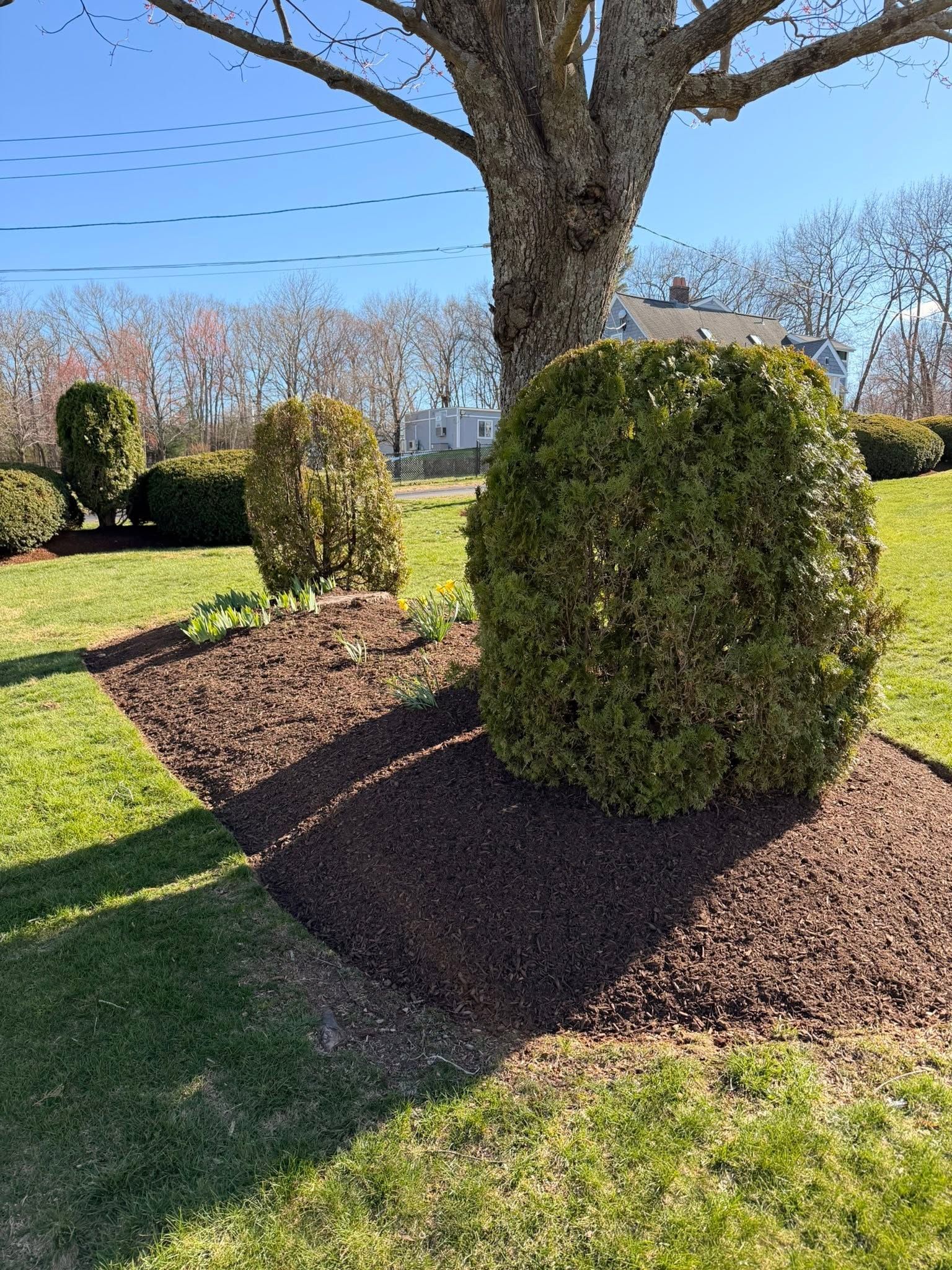
Selective cuts remove dead, crossing, and inward-growing stems, opening the plant so light and air reach the middle. Healthier growth, better flowering, and fewer fungal problems come from thinning rather than shearing.
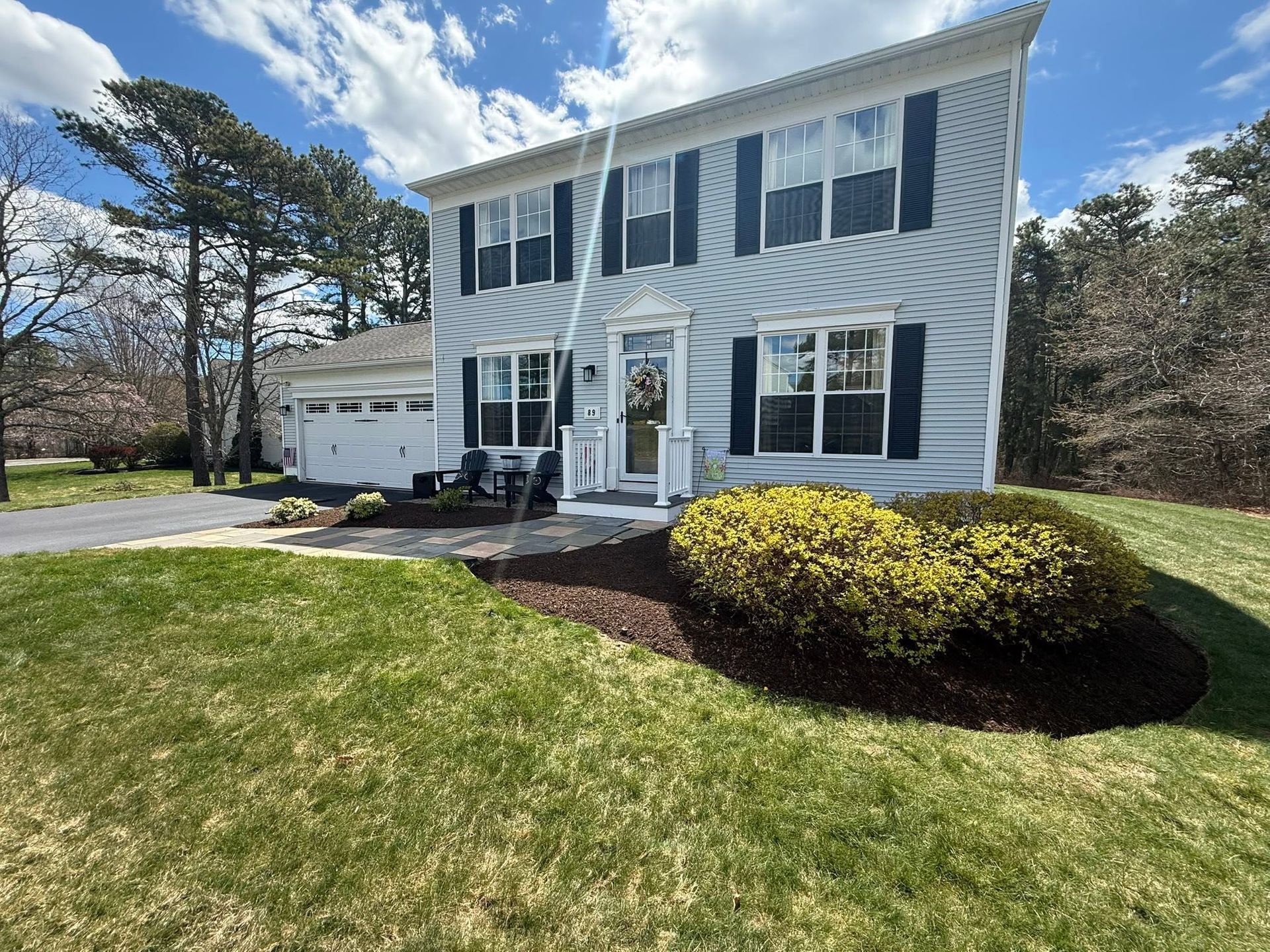
SPECIMEN CARE
Ornamental Shrub Trimming
Japanese maples, hydrangeas, and other feature plants get pruned to reveal structure rather than to make a shape. Cuts are minimal, deliberate, and timed to the species so the plant keeps its natural form.
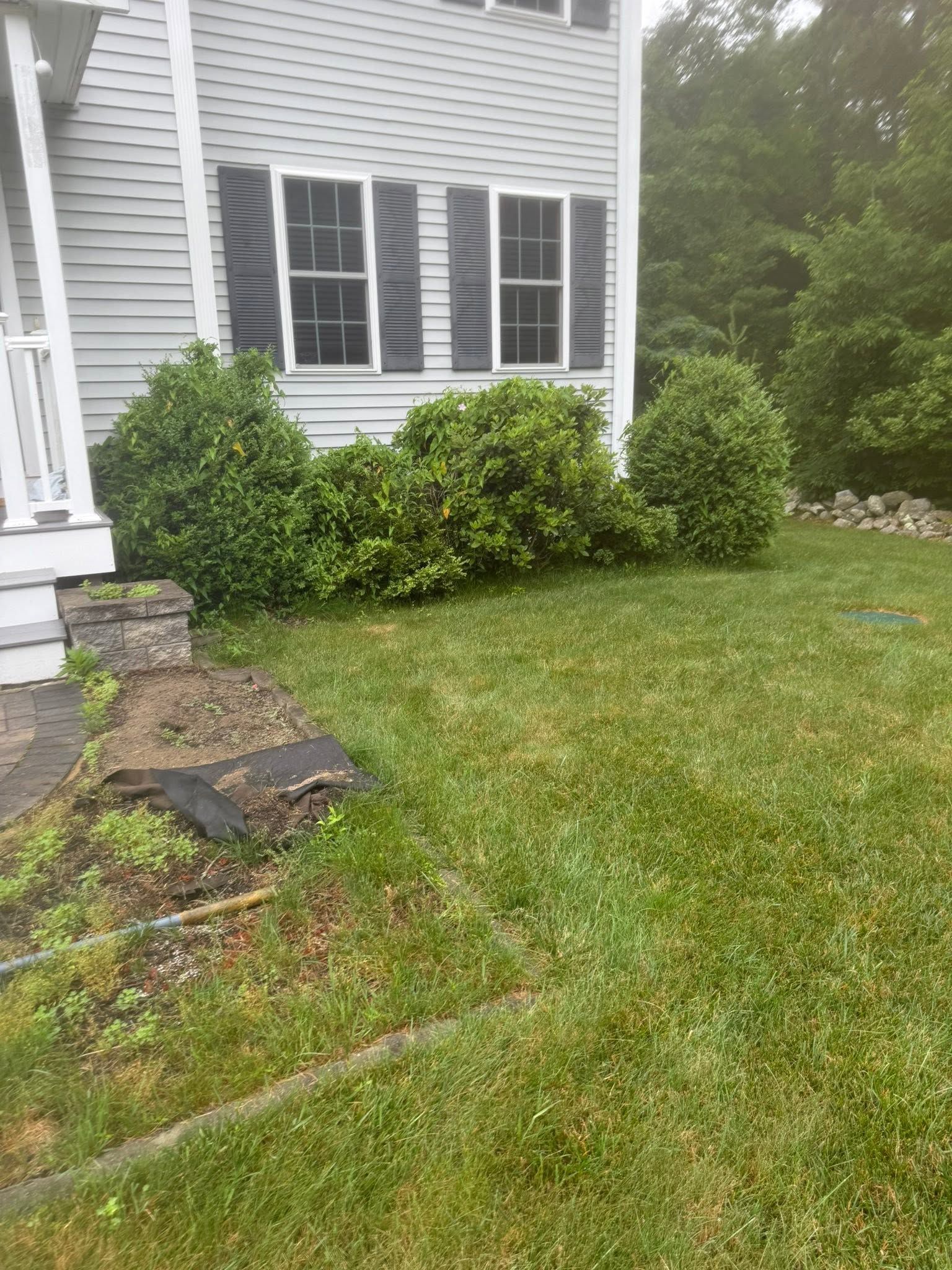
RECLAIMING SPACE
Overgrowth Control
Shrubs swallowing windows, walkways, or driveways get brought back to a workable size in stages, restoring sight lines and access without stripping away so much foliage that the plant cannot recover from it.
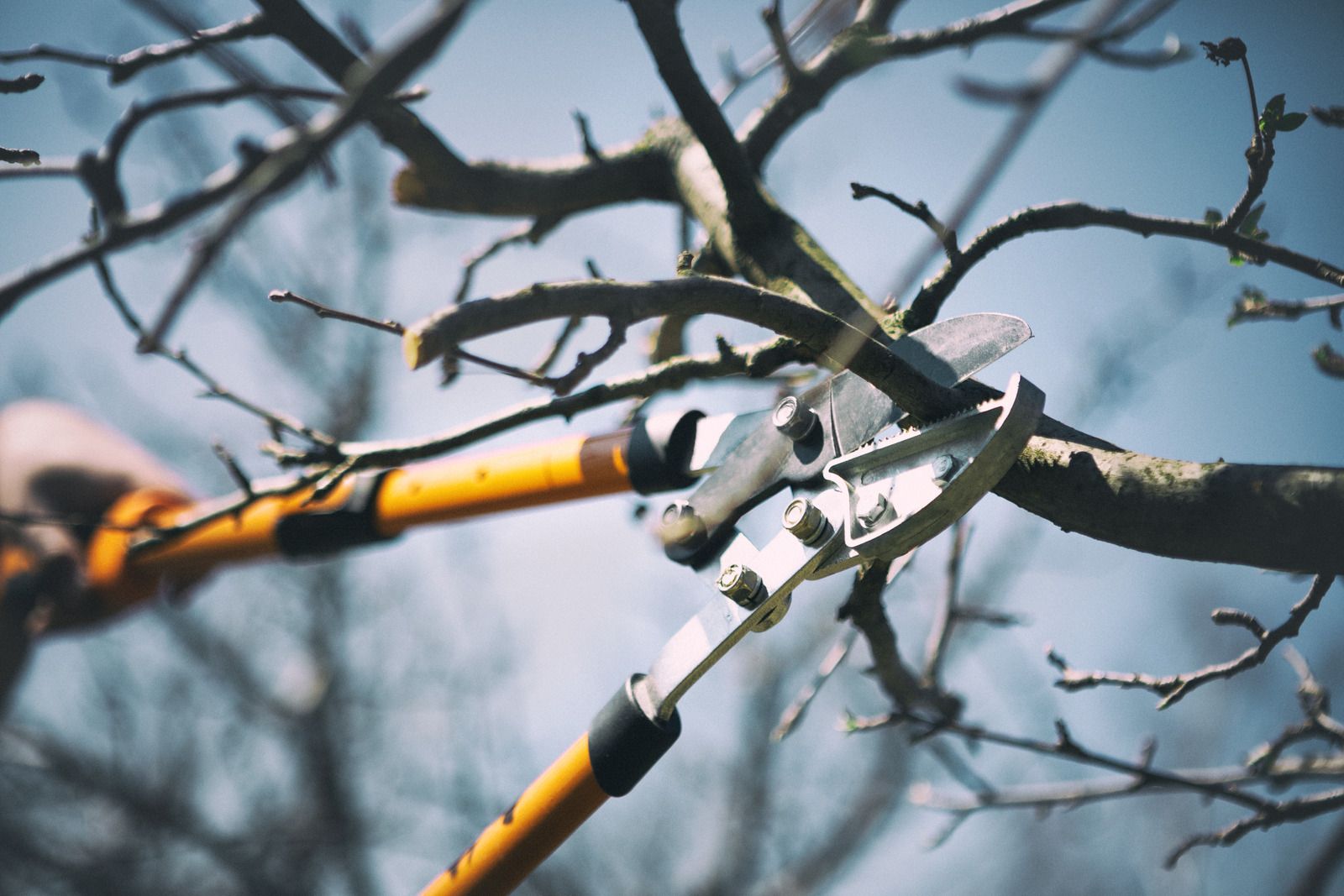
RIGHT TIMING
Seasonal Pruning
Work scheduled to each plant's own cycle: dormant cuts for most deciduous shrubs, post-bloom pruning for anything that flowers on old wood, and light shaping for evergreens while they are in active growth.
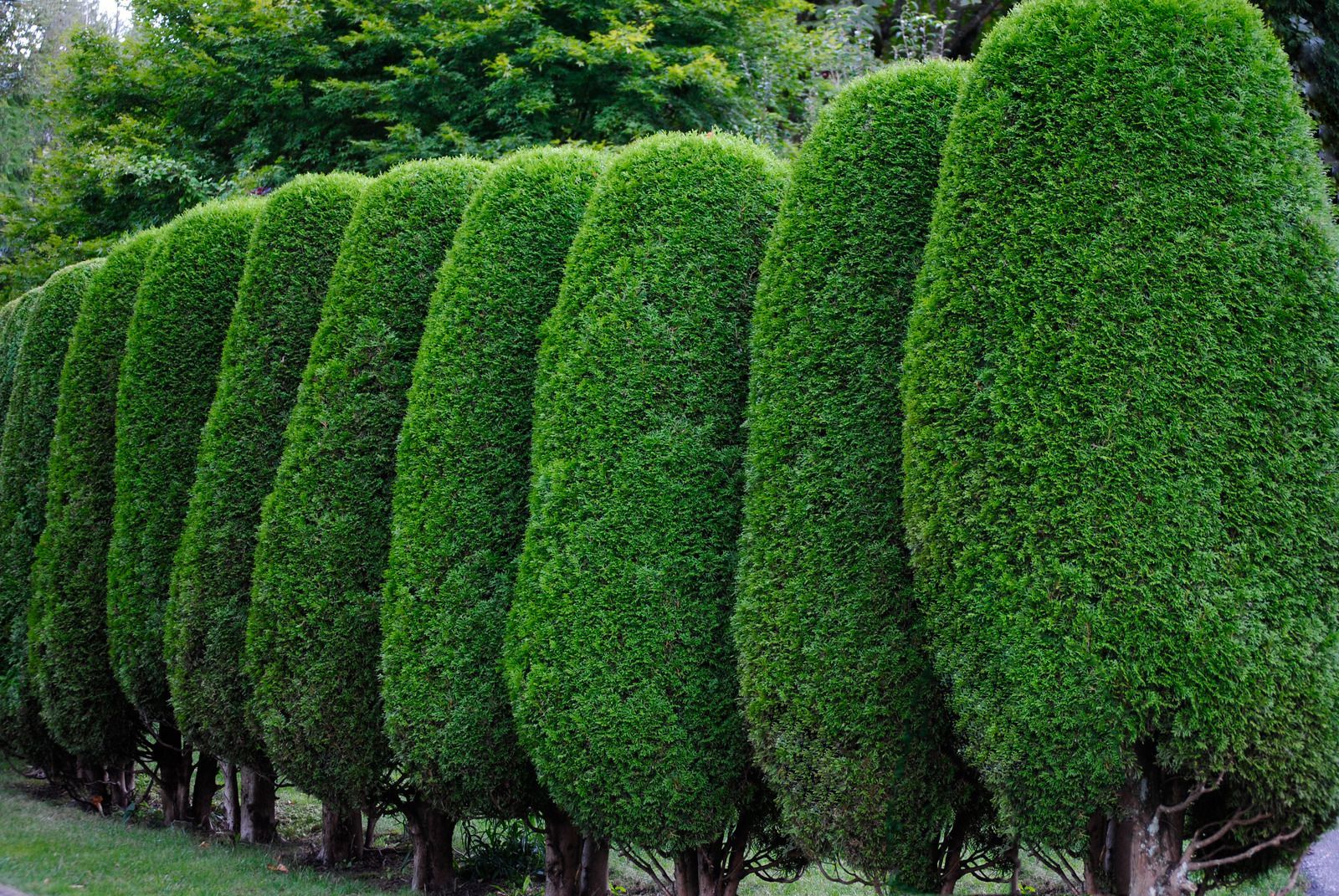
PRIVACY SCREENS
Privacy Hedge Upkeep
Arborvitae, privet, and other screening plants are maintained for density and height, keeping the base full so the screen stays solid to the ground instead of thinning out where you need it most.
➜ THE WORD ON OUR WORK
WHAT OUR CLIENTS SAY.
Trimming work comes down to two things: whether the shapes look right afterward and whether the mess is gone. Those are the two comments we hear most often, and they are the two we measure every visit against before we leave a property.
➜ Common Questions
FREQUENTLY ASKED QUESTIONS.
Pruning questions almost always come down to timing and how much is safe to take. These are the ones we answer most often on properties around here.
When is the best time to trim hedges?
Most formal hedges take their main cut in late spring after the first growth flush, with a lighter tidy in late summer. Avoid cutting after early September, since new growth will not harden before frost.
Is the timing different for evergreen and deciduous hedges?
Yes. Evergreens tolerate light shaping through the growing season but cannot regrow from bare old wood. Deciduous shrubs handle harder cuts, ideally while dormant, unless they flower on old wood and need pruning right after blooming.
How often should hedges be trimmed?
Formal hedges usually need 2 cuts a season to stay crisp, while informal and slower-growing shrubs often need only one. Swift Landscape and Design sets the frequency by growth rate and the look you want, on schedules across Middleborough, MA & Surrounding Areas.
Should you trim a hedge wider at the top or the bottom?
Always wider at the bottom. A slight taper lets sunlight reach the lower branches, which keeps the base full. Hedges cut straight up and down, or wider at the top, go bare underneath within a few years.
How do I rejuvenate an overgrown hedge?
Deciduous hedges can often be cut back hard while dormant and regrow from the base. Evergreens usually cannot, so Swift Landscape and Design reduces overgrowth gradually across seasons on properties throughout Middleborough, MA & Surrounding Areas, keeping green foliage on every branch.
Does trimming the top of a hedge make it grow thicker?
Cutting the top encourages side branching just below the cut, so it thickens there. It does nothing for a bare base, which is a light problem solved by tapering the sides rather than by cutting the top harder.
Should cuts be made above or below a bud?
Just above an outward-facing bud or node, angled slightly away from it. Cutting mid-stem leaves a stub that dies back and invites decay, which is why shearing repeatedly builds dead wood inside a hedge.
When should evergreen shrubs be pruned?
Light shaping works from late spring into midsummer once new growth has extended. Stop by late summer so the plant is not pushing soft growth into fall, and never cut back beyond green needles or leaves.
➜ HOW WE WORK
FROM OVERGROWN TO ORDERLY, HERE IS HOW.
STEP 01
Identify what is planted
We walk the beds and name the plants, because the pruning rules for a lilac, a boxwood, and a panicle hydrangea are three different rules running on three different calendars, and confusing them costs you a season.
STEP 02
Agree on the shape
Formal or natural, how much height comes off, and how far back from the windows and the walk. We settle all of that with you before anything is cut, since none of it can be undone afterward.
STEP 03
Time the work
Each plant gets scheduled into the window that suits it, which sometimes means trimming half the property now and returning for the rest once it has finished blooming or once dormancy has properly arrived.
STEP 04
Cut with the right tool
Shears for formal faces, hand pruners and loppers for selective thinning inside the plant. Blades are kept sharp and clean so every cut closes quickly instead of tearing the stem and inviting disease into the wound.
STEP 05
Thin the inside
After the outside is shaped, we open up the interior by removing dead, crossing, and crowded stems, so light and air actually reach the middle of the plant rather than stopping at a dense green shell.
STEP 06
Clear the site
Clippings are collected and hauled off the property, beds are raked out, and walks and drives are blown clean before we leave. The only evidence we were there should be the shape of the plants.
➜ GET YOUR FREE ESTIMATE
GET THE HEDGES BACK UNDER CONTROL, FREE.
Show us what has gotten away from you. We will identify the plants, tell you what can be reduced safely and what needs staging, and give you a number for a one-time cut or a recurring schedule.
WHAT YOUR ESTIMATE COVERS:
- Plant identification across the property
- Honest assessment of overgrown shrubs
- Recommended timing per species
- One-time or recurring pricing
- Cleanup and haul-away included
- 10% military discount available