

➜ LAWN CARE AND MAINTENANCE
LAWN CARE AND MAINTENANCE IN Middleborough, MA & Surrounding Areas
UMass Extension puts the healthy mowing range for New England cool-season turf at 2.5 to 3.5 inches, and the one-third rule says never cut more than a third of the blade at once. Swift Landscape and Design mows to that standard on every visit. This page covers recurring and one-time mowing, dethatching, aeration, seeding, and fertilization for residential and commercial lawns across Middleborough, MA & Surrounding Areas, along with the yearly budget plan that spreads a full year of maintenance into 12 even payments.
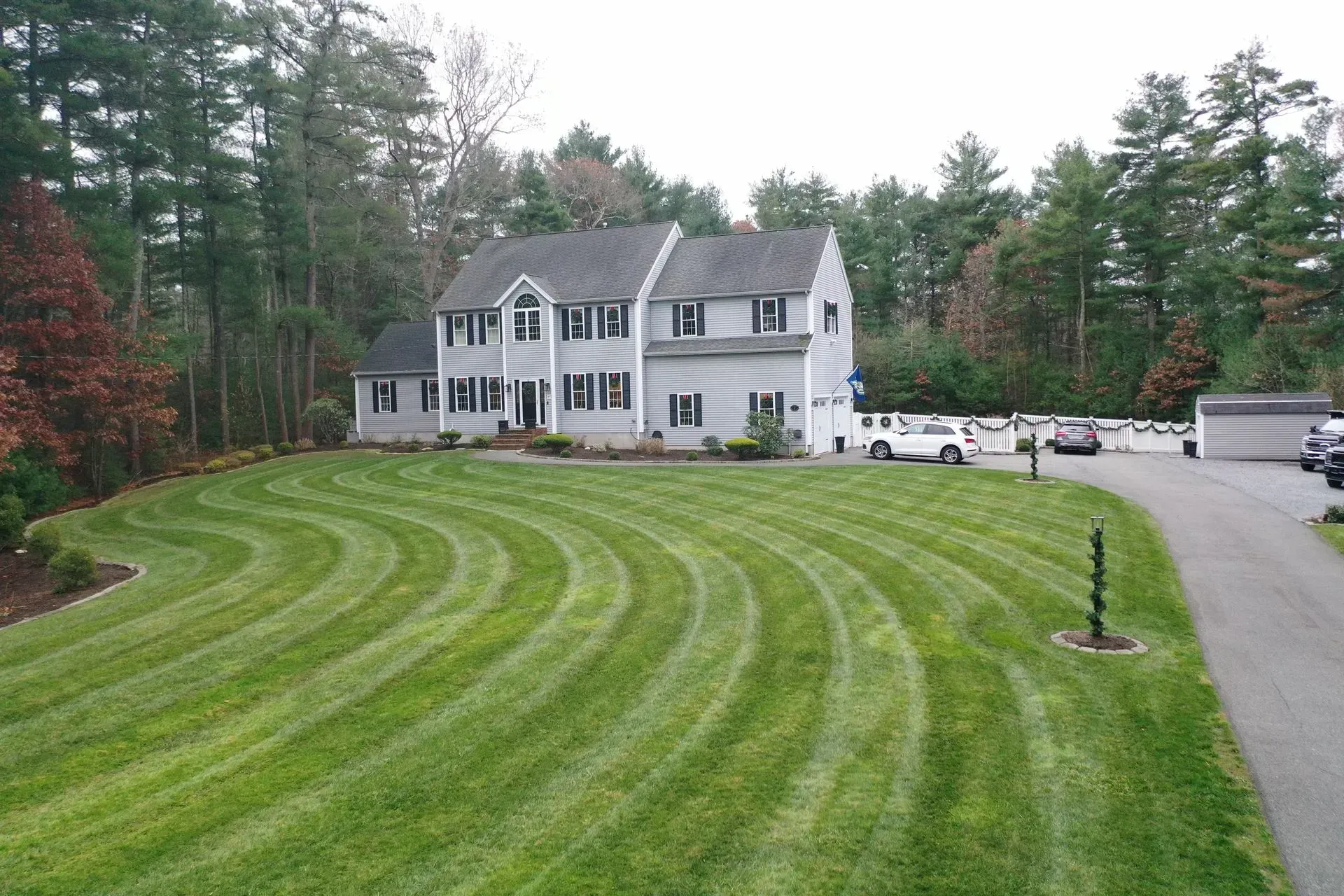
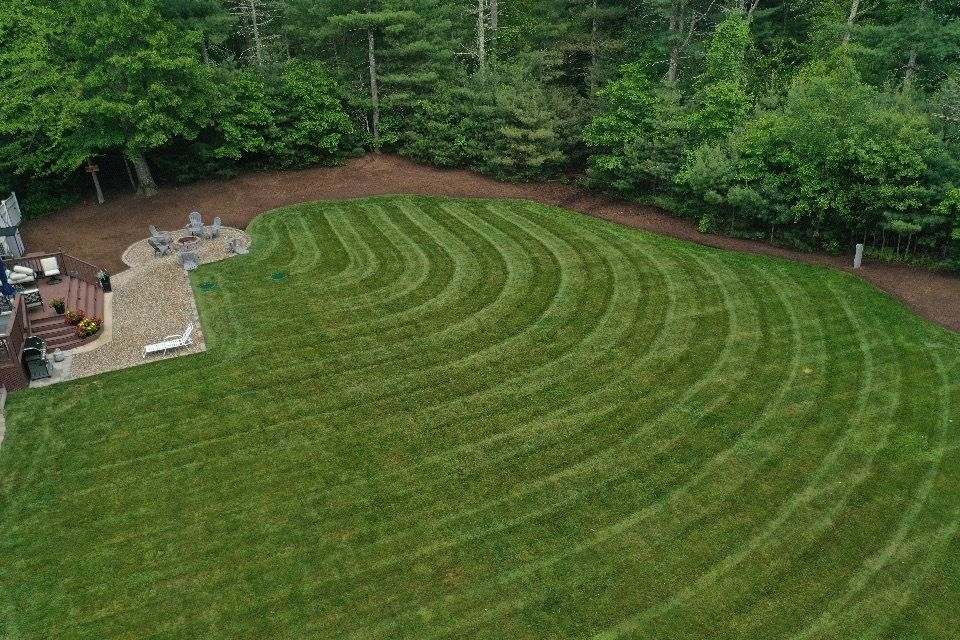
MOWING IS THE EASY HALF.
A lawn that only gets cut will look fine in May and thin out by August. Turf lives or dies on what happens between mowings: how compacted the root zone is, how much thatch is trapping water at the surface, whether nutrients arrive when the grass can use them, and whether the mowing height is helping the roots or starving them.
We treat those as one program rather than a menu. What your lawn actually needs gets decided by looking at it, not by selling you the same package as your neighbor.
- Mowing height set for the season, not the calendar
- Blades kept sharp so tips do not brown
- Aeration and seeding timed to the germination window
- Fertilizer applied under state nutrient rules
➜ LAWN CARE AND MAINTENANCE
A LAWN IS A CROP, NOT A CARPET.
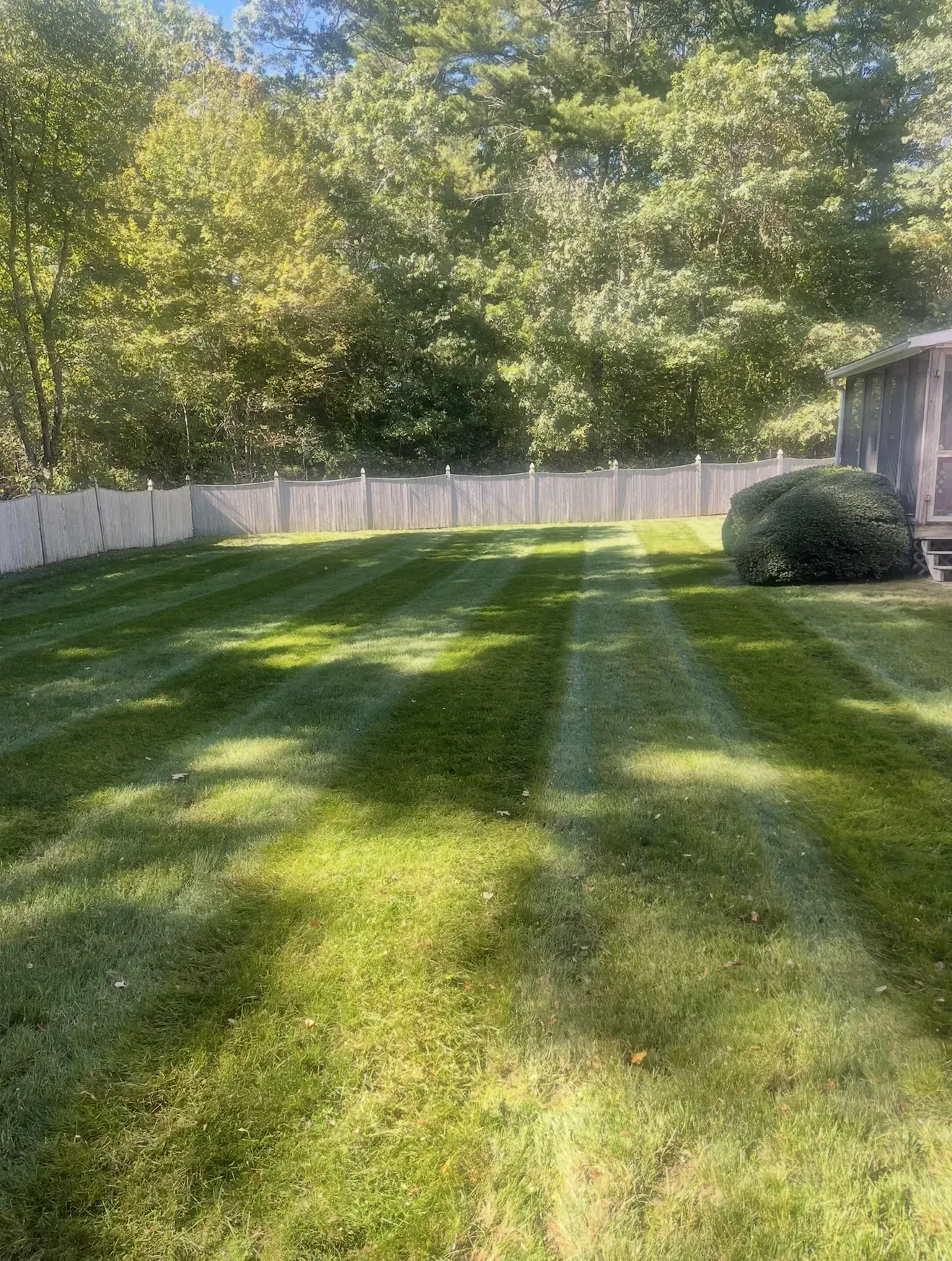
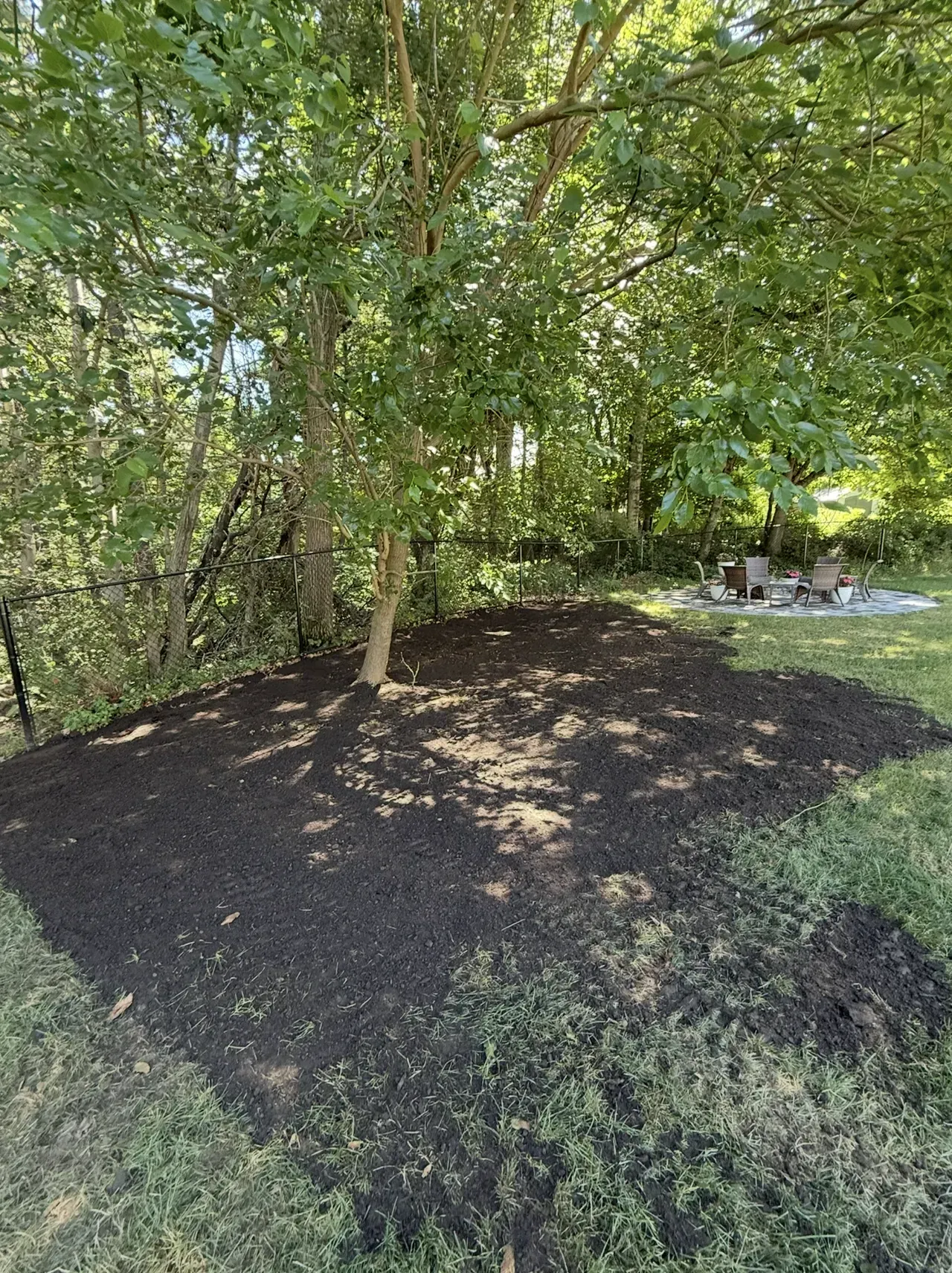
Grass is a living stand of plants competing for light, water, and nutrients against weeds that want the same ground. Treat it like flooring and it fails. Treat it like a crop and the answers get specific: raise the cut in July so roots shade their own soil, feed when growth can absorb it, open compacted ground before overseeding, and give new seedlings water often enough to survive the first 3 weeks.
SOUTHEASTERN MASSACHUSETTS LAWNS PEAK TWICE A YEAR.
Cool-season grass grows hard in spring, slows through the heat of July and August, then pushes again once nights cool. That double peak drives everything. Late August through September is the strongest overseeding window here, with soil around 60 to 70 degrees and enough season left for roots to establish. Miss it by three weeks and germination gets unreliable. We schedule around those windows instead of around convenience.
GRASS TELLS US WHEN SOMETHING IS WRONG.
Yellow between the veins, thinning under a maple, moss in the low corner, a spongy layer you can feel underfoot: each one points somewhere specific. Reading those signals before applying anything is what our certification in fertilizer application is for. State rules also limit phosphorus to soil-test-confirmed need or new lawn establishment, so we test rather than guess. When did your lawn last get looked at rather than just cut?
WHY CHOOSE US FOR LAWN CARE AND MAINTENANCE.
YOUR SCHEDULE, NOT OURS
Weekly, biweekly, or a single cut before an event. We build the visit frequency around how you actually use the property rather than pushing everyone onto the same contract.
PAYMENTS THAT STAY FLAT
The yearly budget plan totals your annual maintenance and divides it into 12 equal payments, so the spring surge and fall cleanup do not arrive as two alarming invoices.
APPLICATIONS DONE BY THE BOOK
Fertilizer goes down under Massachusetts nutrient rules, with setbacks from water and no phosphorus without justification. Your lawn gets fed and the pond down the road stays out of it.
THE SAME CREW EACH VISIT
People who see your lawn every week notice the grub damage, the drainage corner, and the failing shrub before you do. Continuity is what turns mowing into actual maintenance.
CLEAN EDGES EVERY TIME
Trimming, edging, and blowing off hard surfaces are part of the visit, not extras. Clippings come off walks and drives so nothing washes into a storm drain.
ONE CALL FOR EVERYTHING OUTSIDE
Mowing, mulch, pruning, cleanups, and hardscape repair all run through the same team on the same schedule, so you are never coordinating three separate contractors across a single property.
➜ WHAT WE MAINTAIN
OUR LAWN CARE WORK
Lawn care splits into three jobs: cutting, correcting, and feeding. Most properties need all three across a season, and the six services below cover what a healthy stand of turf in this climate requires.
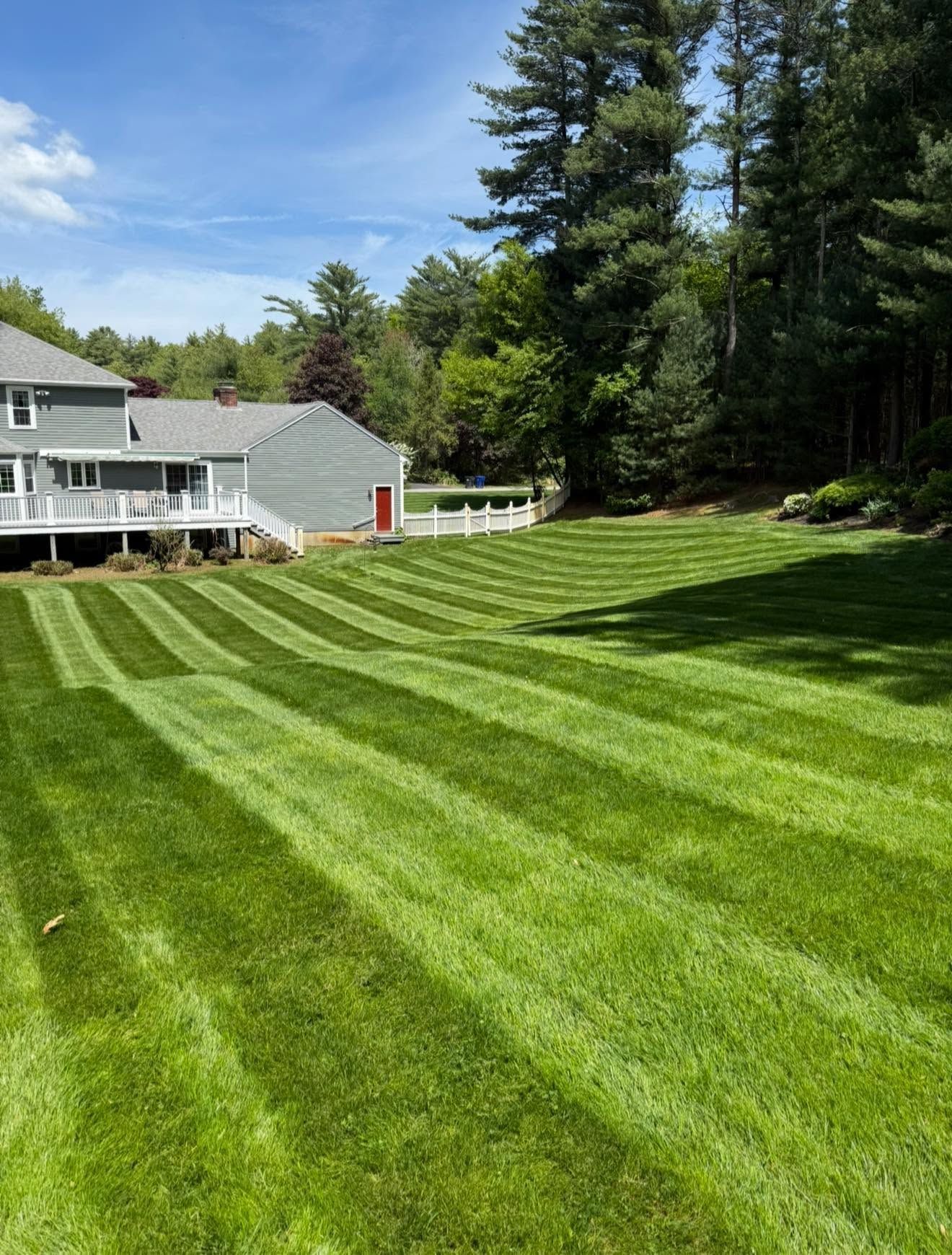
EVERY WEEK
Recurring Mowing
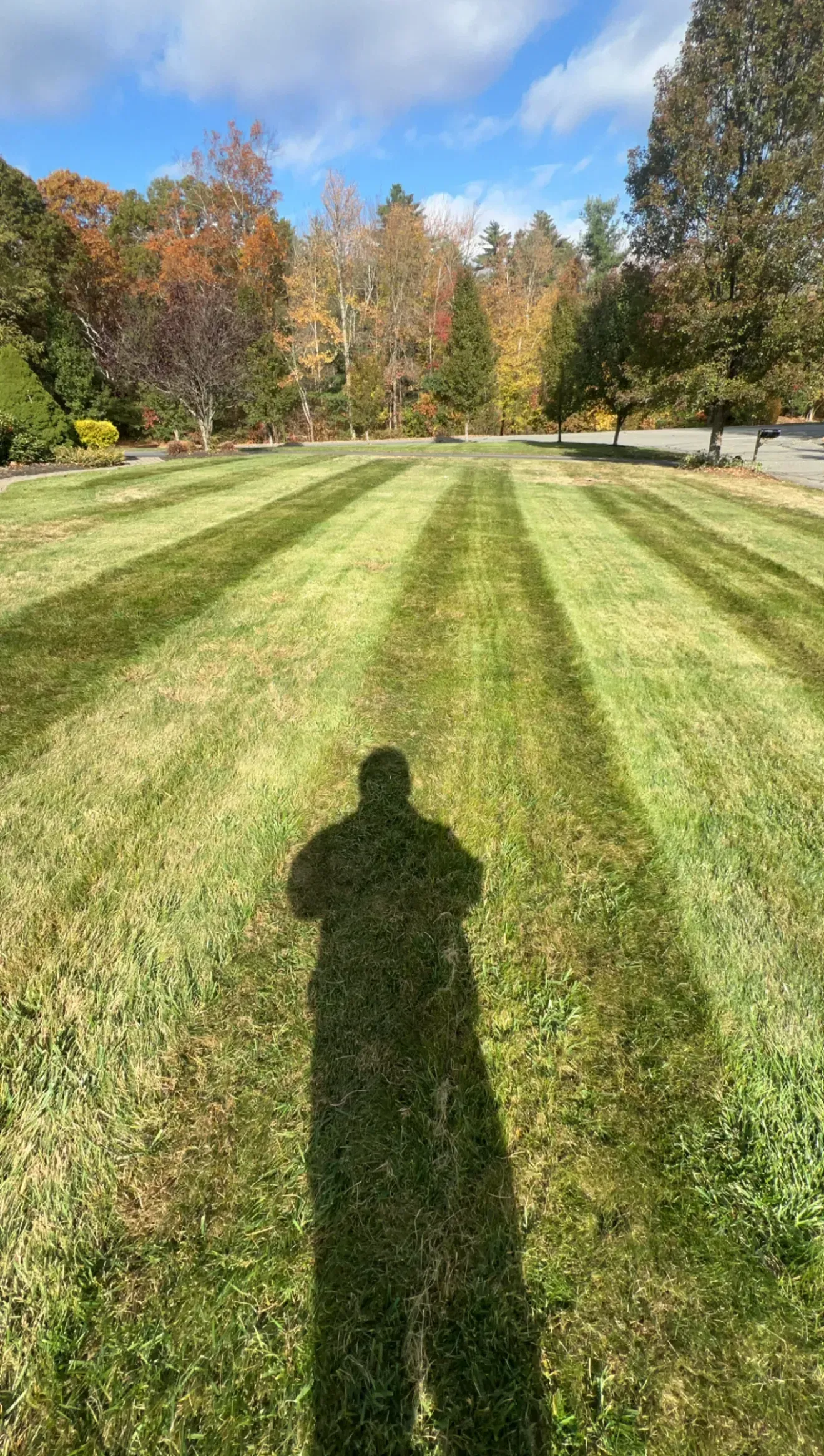
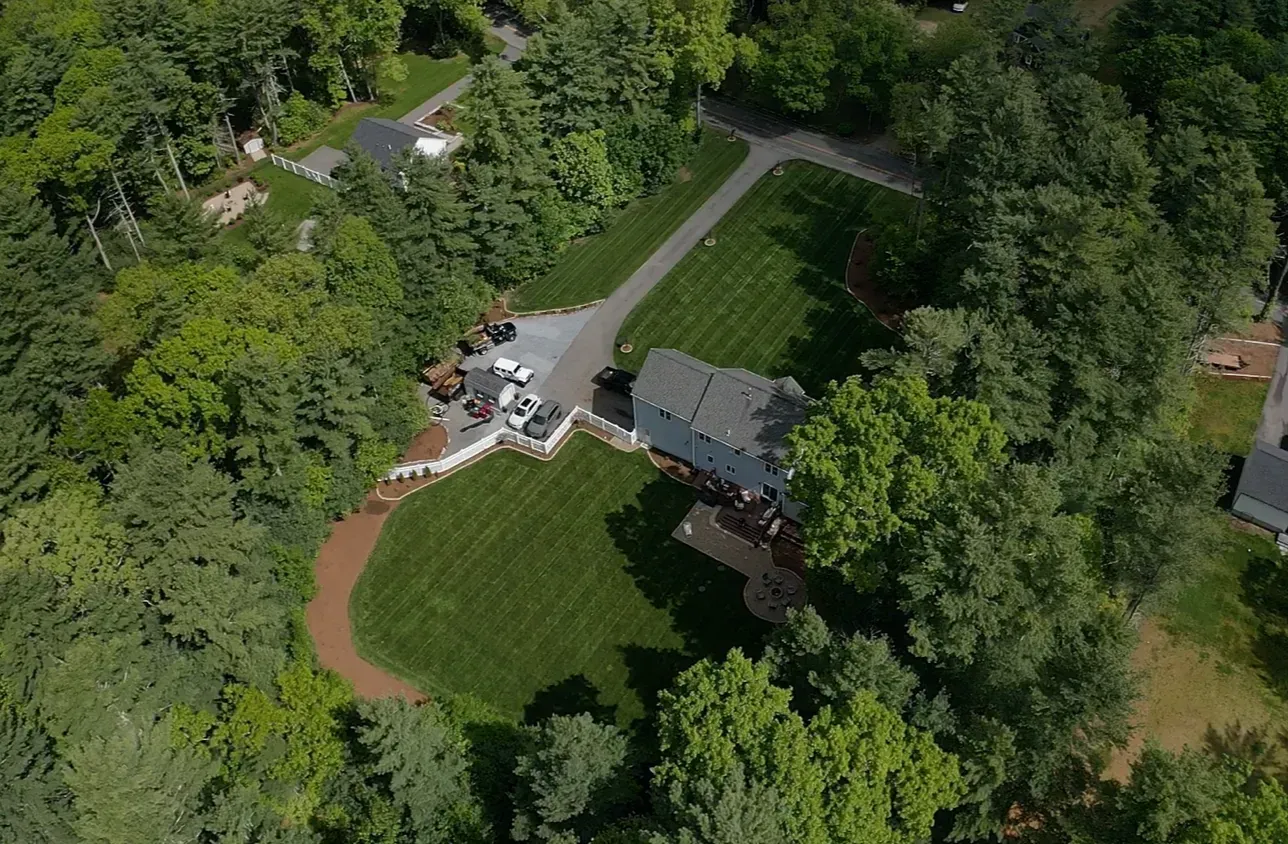
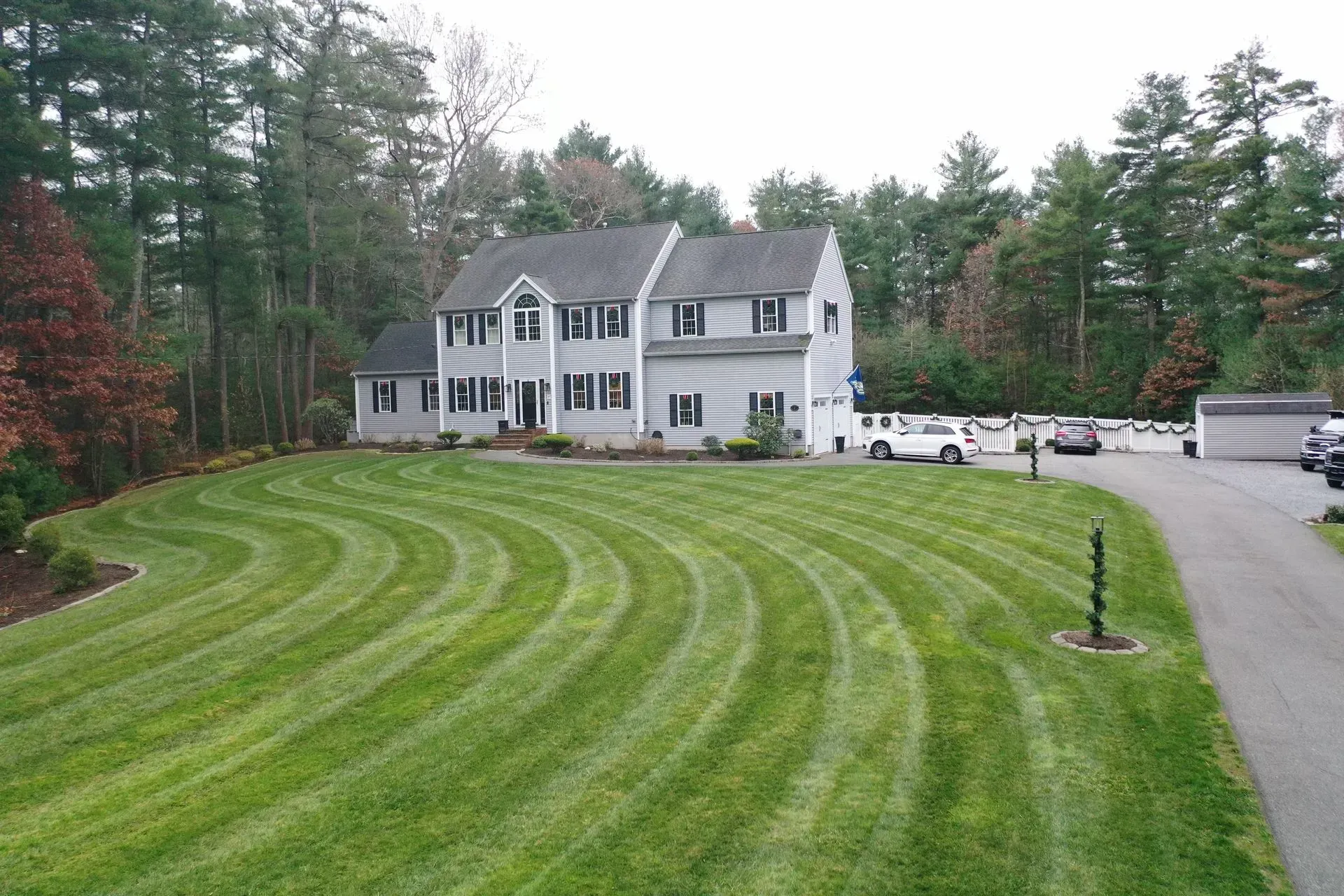
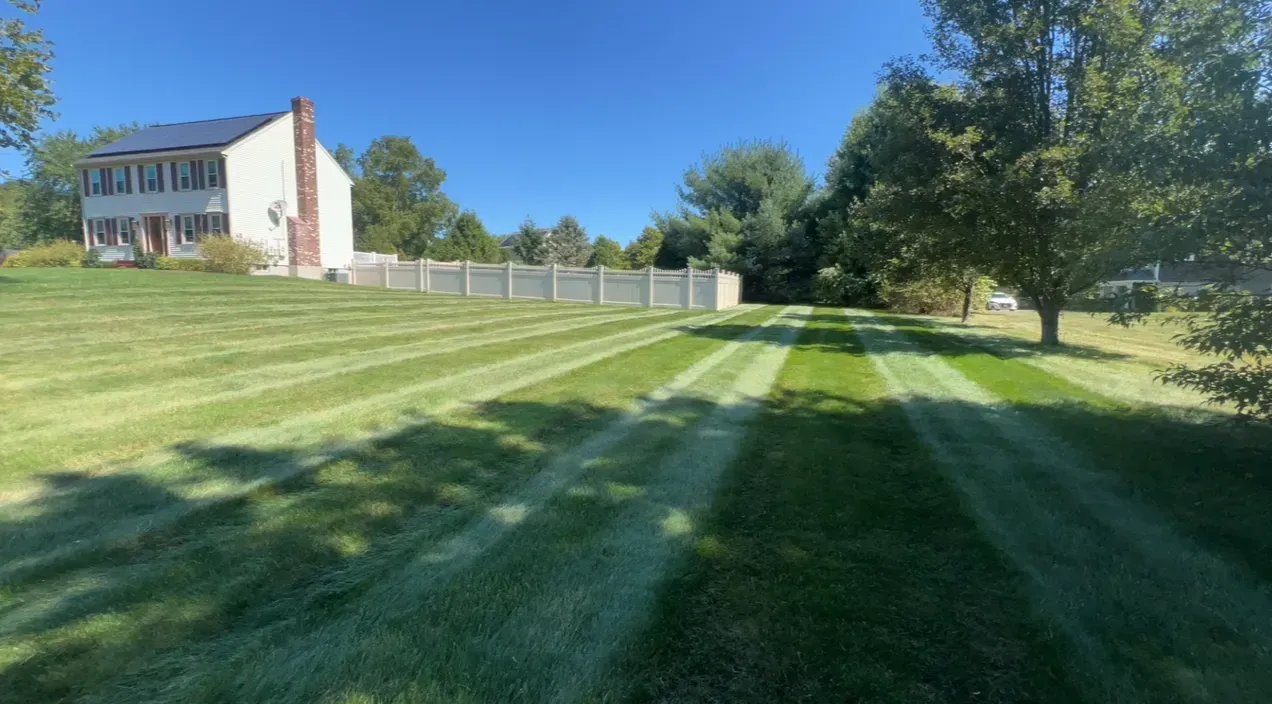
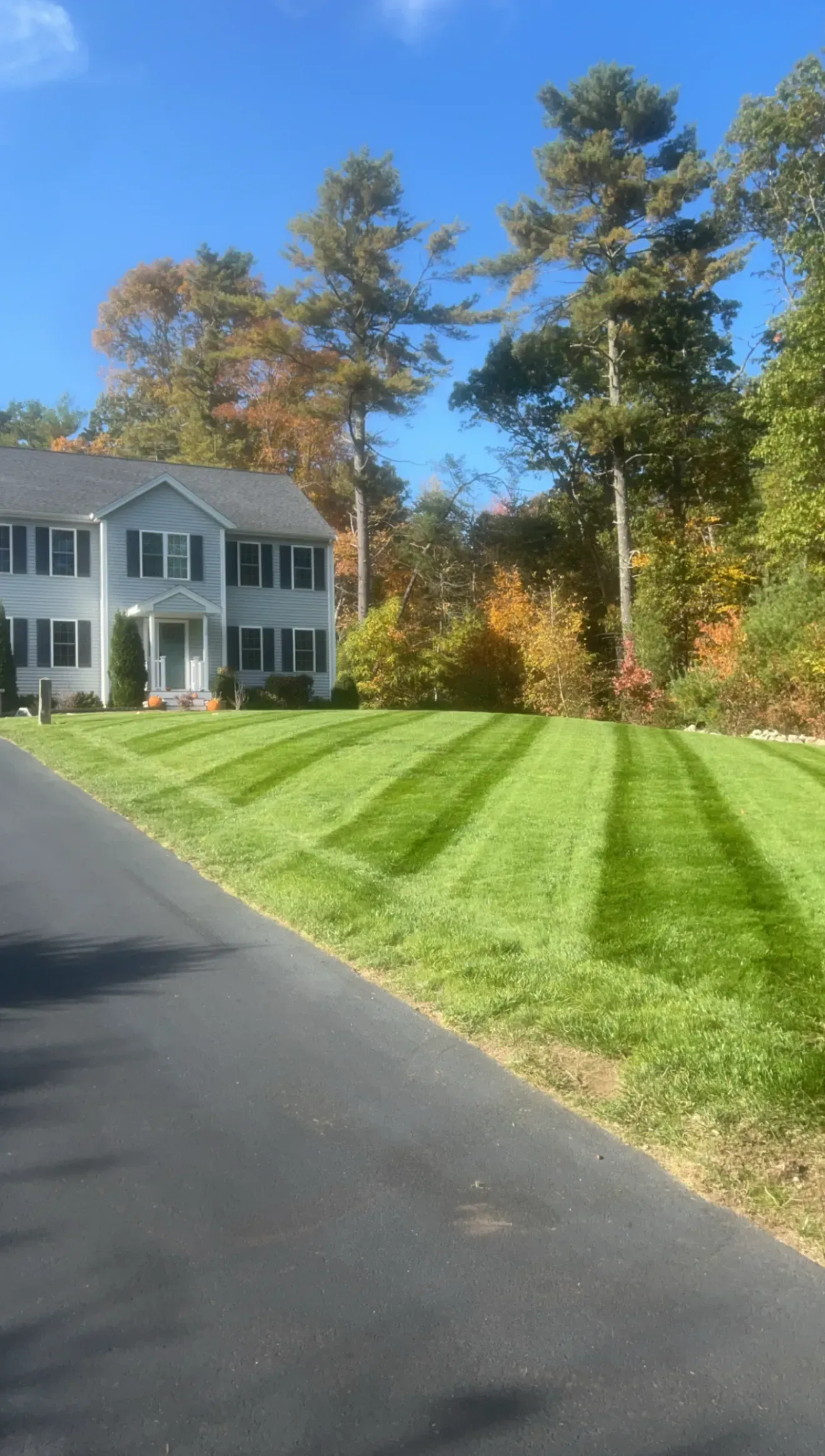
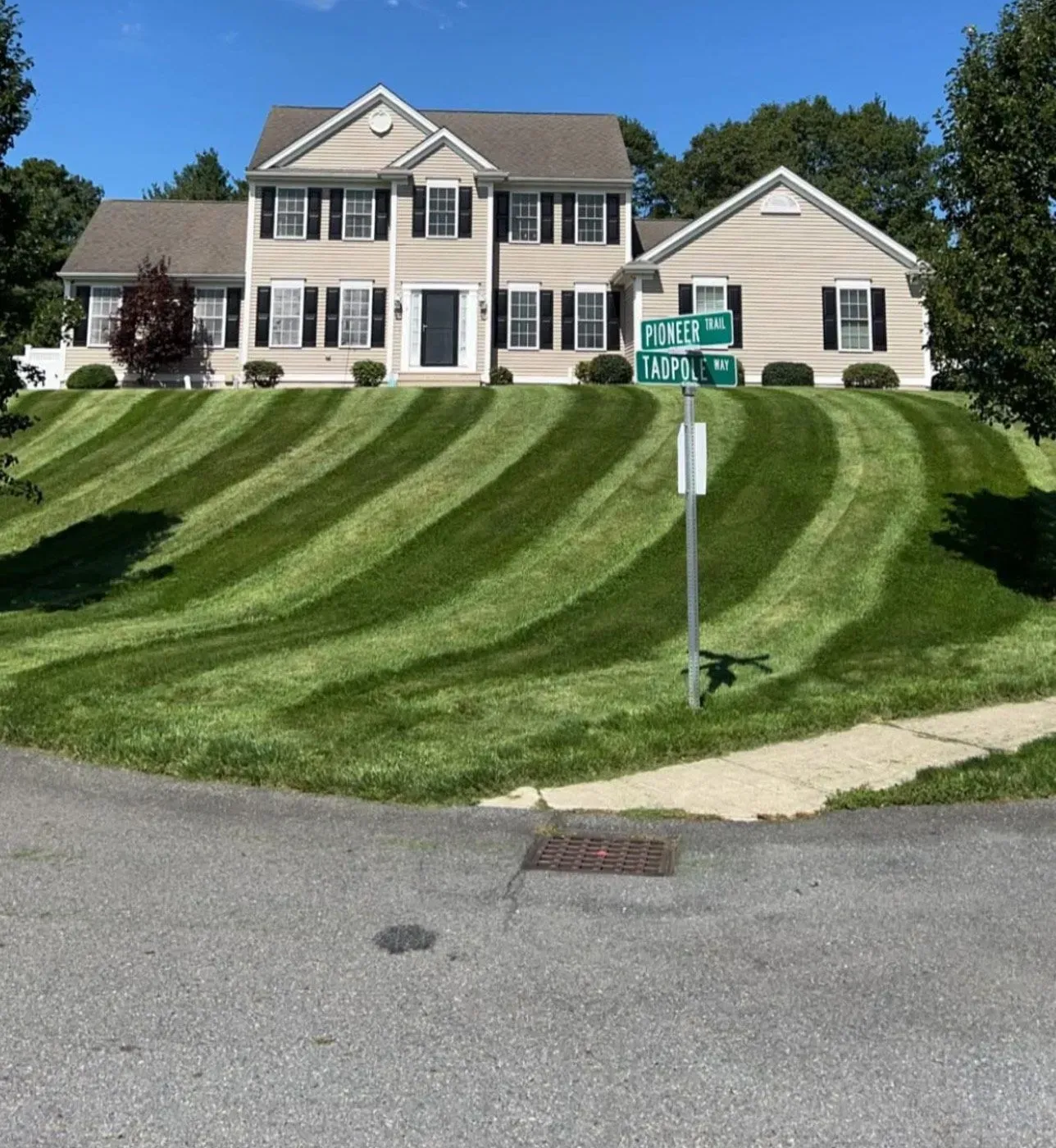
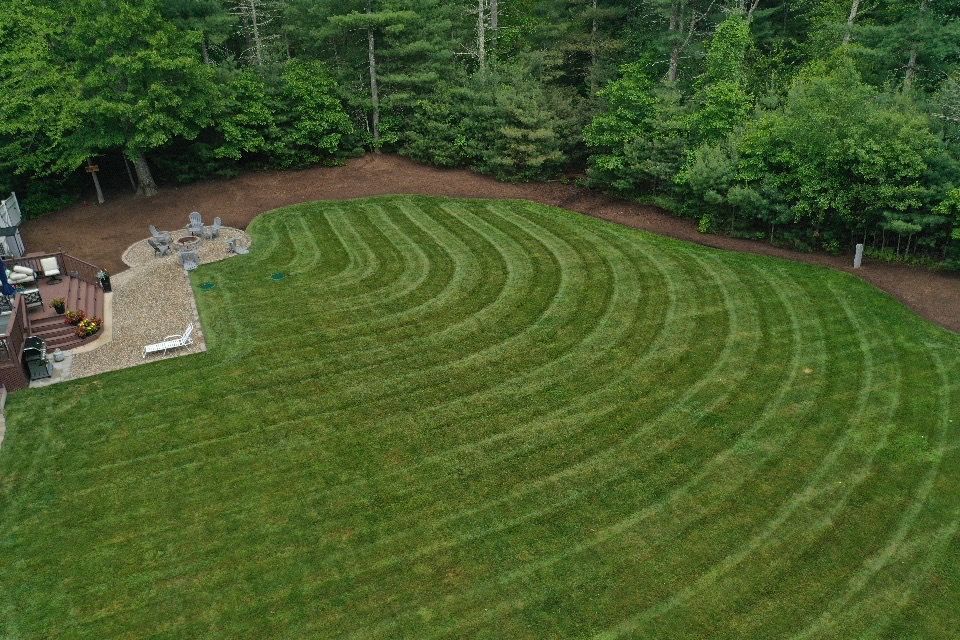
Weekly or biweekly cutting at a height set for the season, with the pattern varied so wheels do not rut the same lines. Edges trimmed, hard surfaces blown clean, and clippings returned to feed the turf.
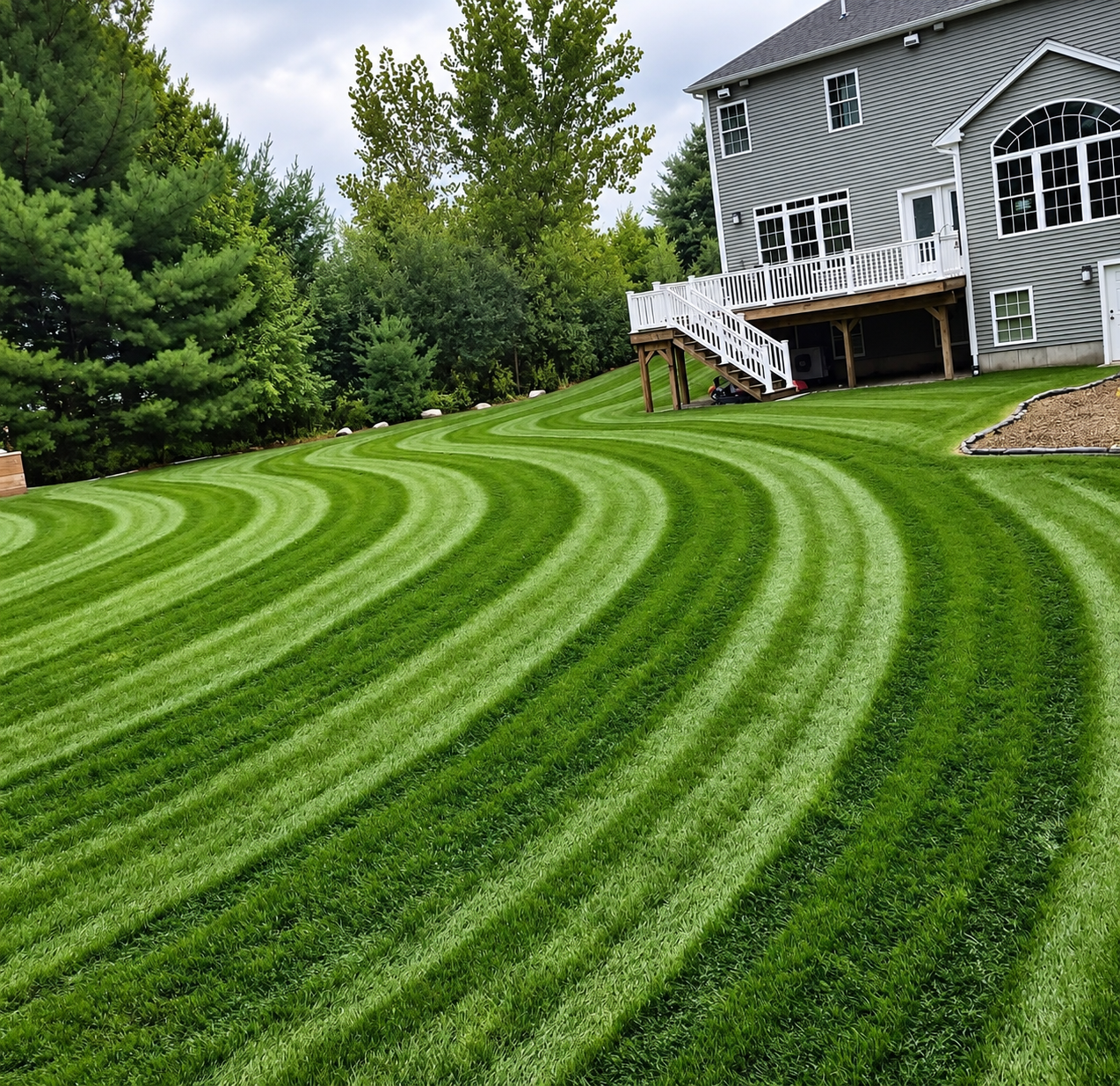
ONE VISIT
One-Time Mowing
Sometimes you need a single cut before a party, a showing, or a closing. We handle one-off visits on overgrown lawns without requiring a contract or a commitment to anything afterward.
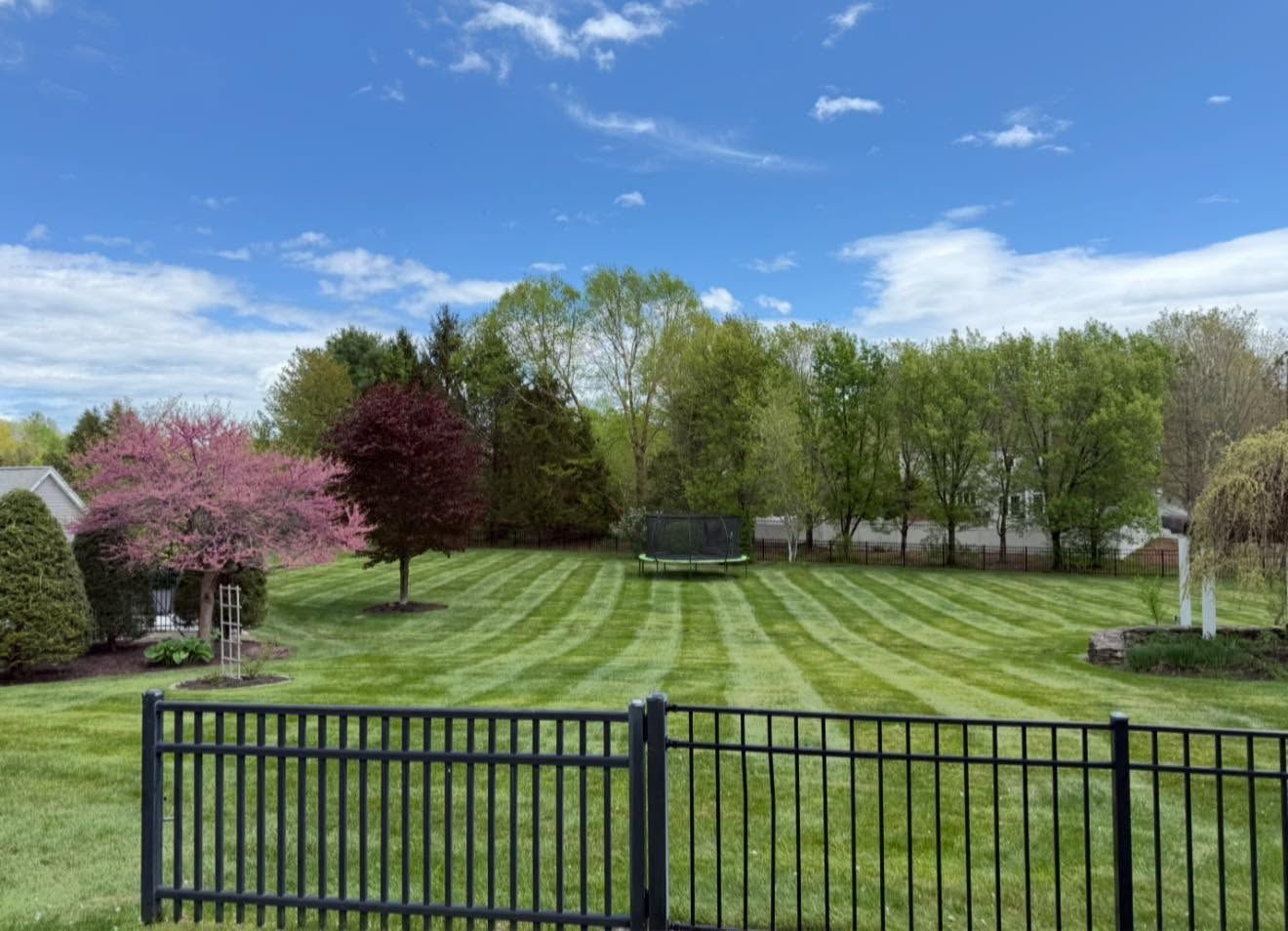
BREATHING ROOM
Core Aeration
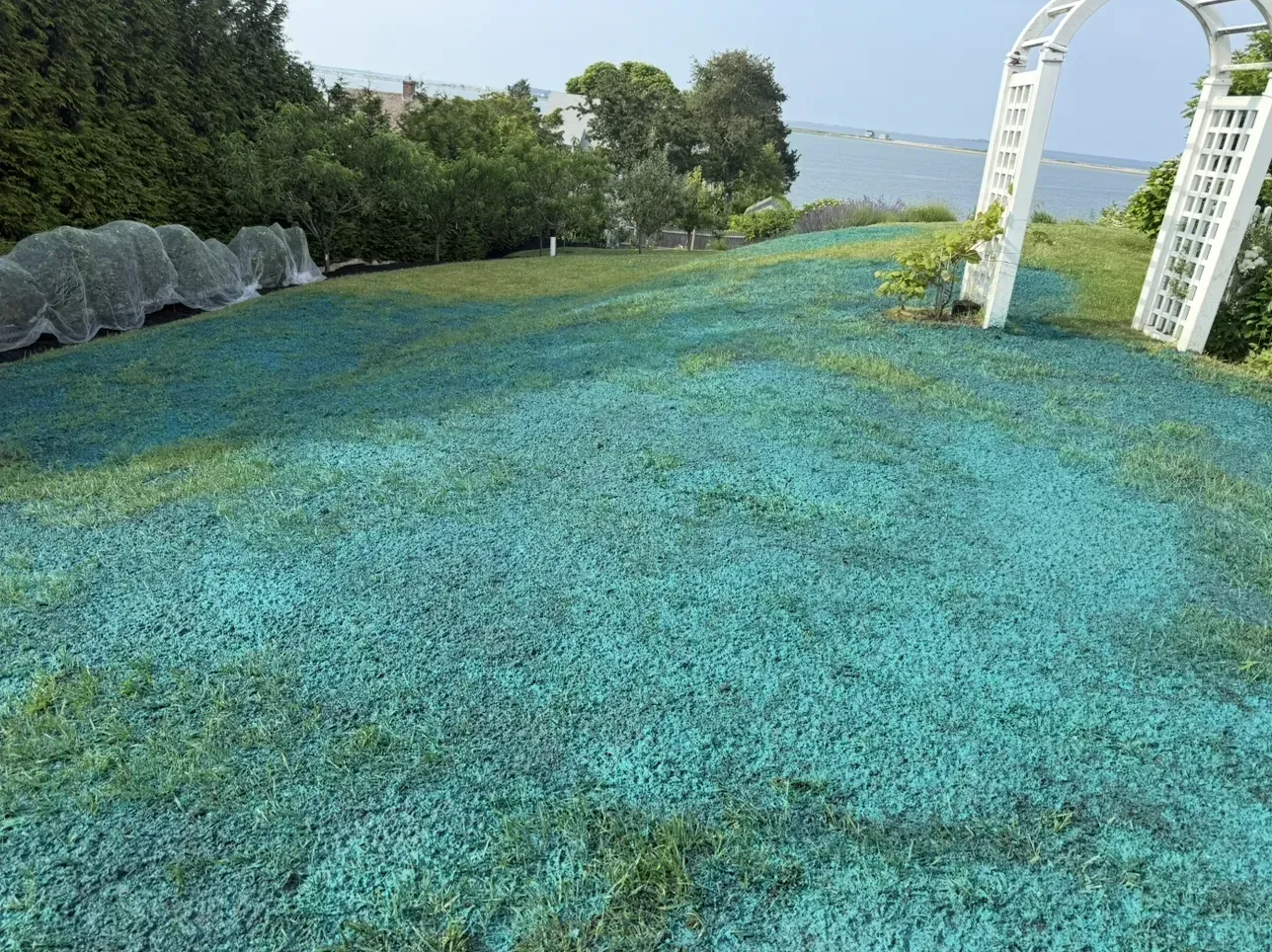
Compacted soil starves roots of air and water. Pulling cores opens the root zone, relieves compaction from foot traffic and mowers, and lets seed, water, and nutrients reach depth instead of running off the surface.
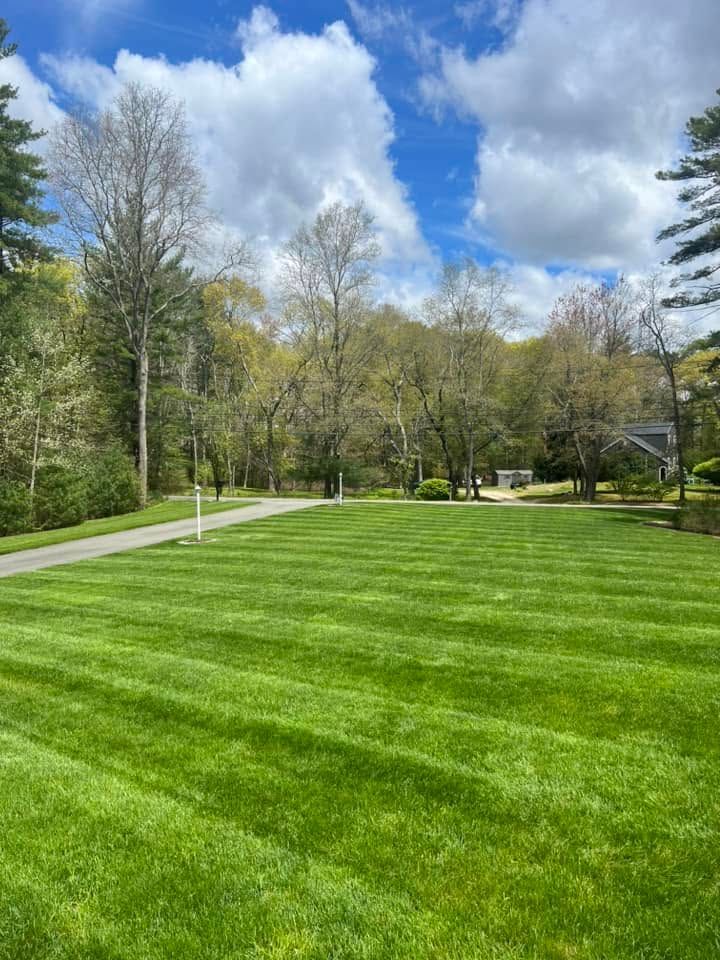
SURFACE RESET
Dethatching
Thatch is the spongy layer of dead stems above the soil. Past half an inch it sheds water and hides disease. Dethatching pulls it out so the turf below can breathe, drink, and take new seed.
FILLING IN
Overseeding
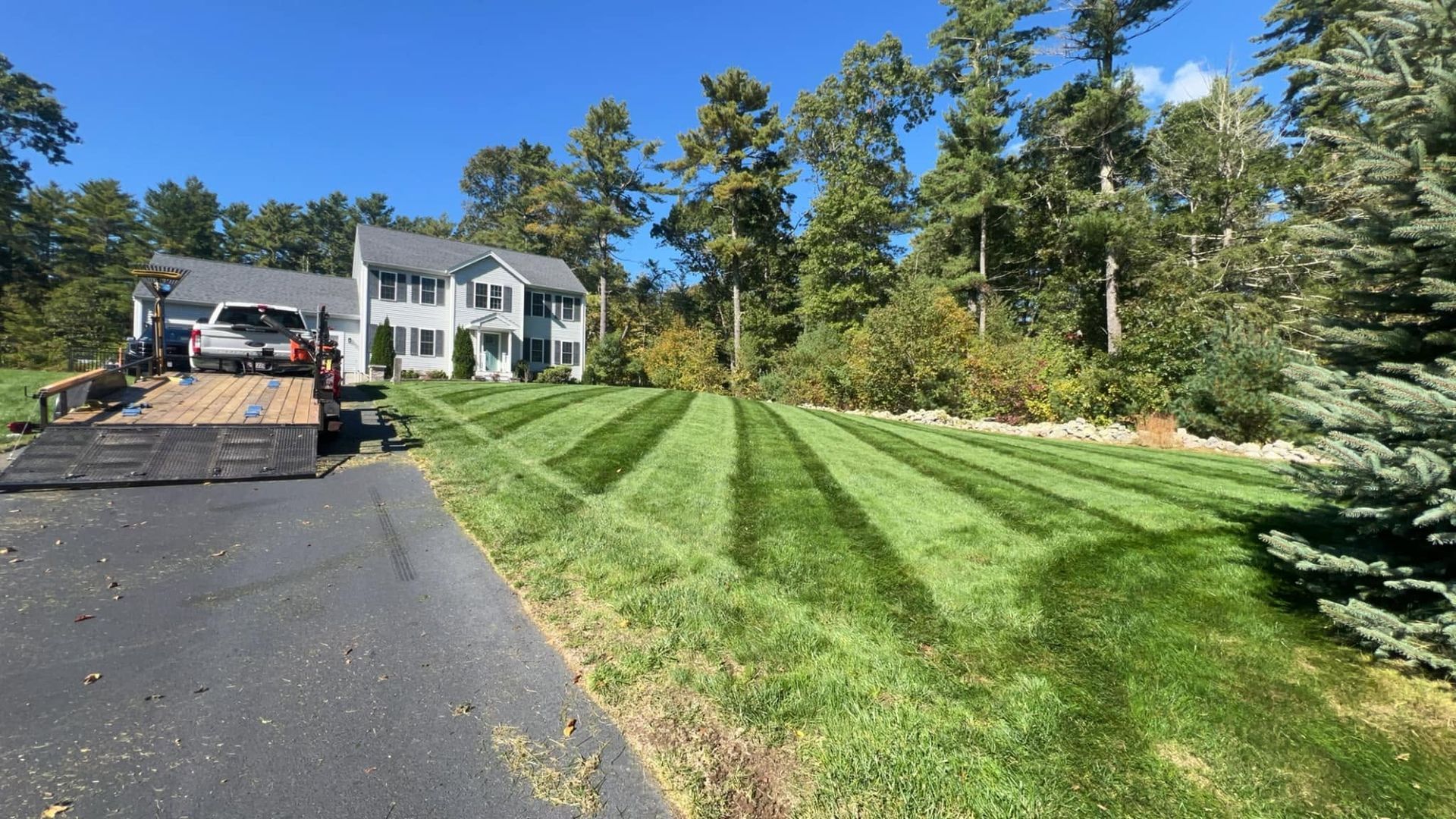
Thin turf invites weeds. Fresh seed worked into aerated ground during the late-summer window thickens the stand, introduces improved varieties, and closes the bare spots that crabgrass would otherwise claim next June.
FEEDING
Fertilization and Yard Application
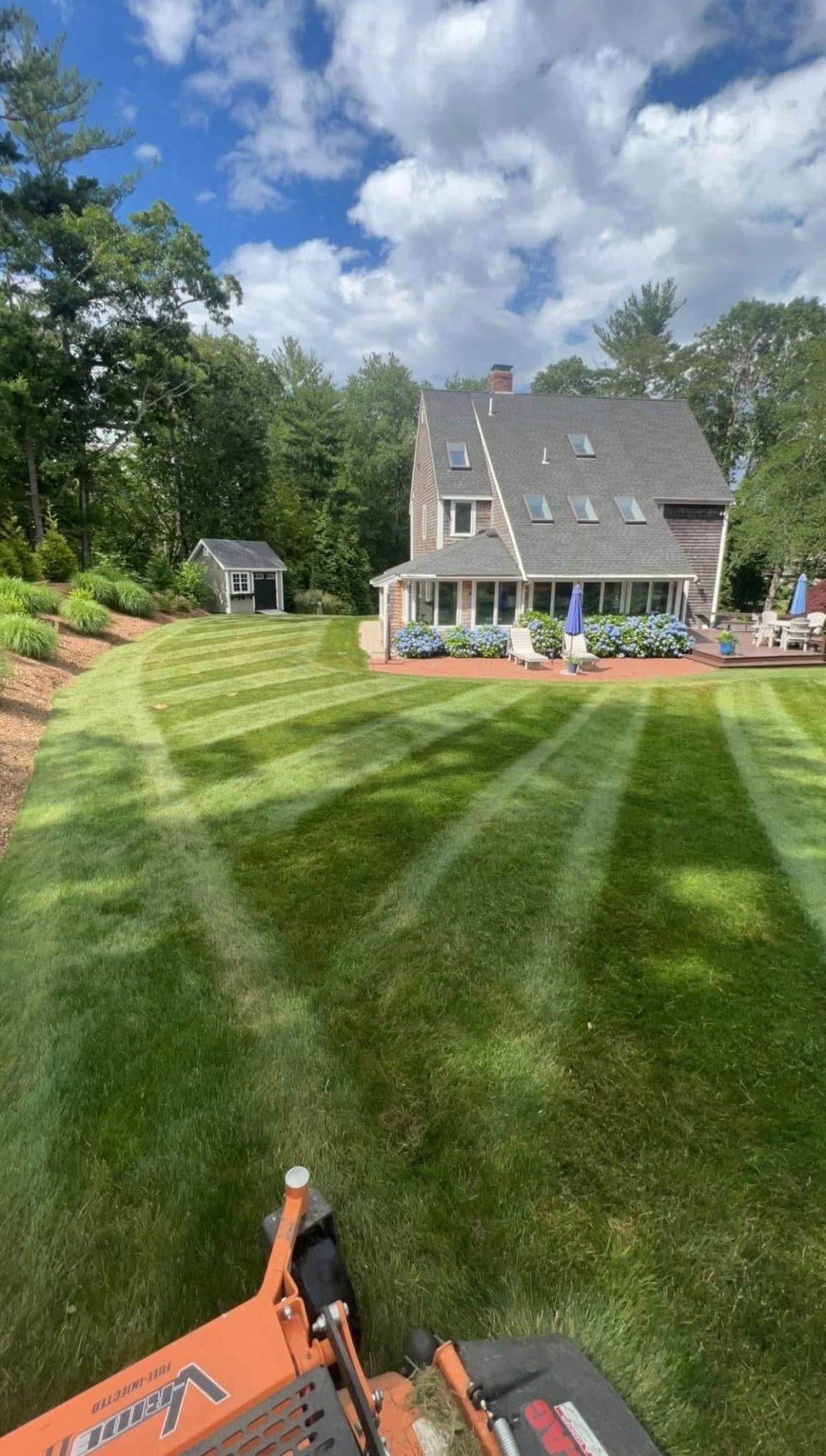
Nutrients applied at rates and timing the grass can actually use, matched to what the lawn shows and to state nutrient rules. Feeding a dormant or frozen lawn wastes product and sends the rest downstream.
- Walk-through and turf condition check
- Recommended mowing frequency and height
- Aeration, seeding, and feeding schedule
- Optional 12-payment budget plan
- One-time or recurring pricing
- 10% military discount available
YEARLY LAWN CARE AND MAINTENANCE BUDGET PLAN
Landscaping costs do not arrive evenly. Spring cleanup, mulch, and the first mow all land in the same 6 weeks, then fall leaf removal shows up months later as another large invoice. Our yearly budget plan fixes that. We total the annual cost of the maintenance services you agree to and divide it into 12 equal monthly payments. The work still follows the season, with mowing through summer, cleanups in spring and fall, mulch when beds need it, and lawn treatments in their proper windows, but your payment stays the same in January as it does in June. Every plan is built around your property rather than sold as a tier.
➜ THE WORD ON OUR WORK
WHAT OUR CLIENTS SAY.
Maintenance clients judge on consistency more than anything else, and that is the part we work hardest at. We show up on the day you expect us, the cut is even, the edges are clean, and nothing is left behind when we go.
➜ Common Questions
FREQUENTLY ASKED QUESTIONS.
Lawn questions are seasonal, and the same ones arrive every year in the same order. Here are the answers we give most often to homeowners and property managers here.
What is the ideal mowing height for a healthy lawn?
For the cool-season grasses grown here, 2.5 to 3.5 inches is the healthy range. Taller blades shade their own soil, hold moisture through July, and crowd out crabgrass far better than a short cut ever will.
How often should I mow my lawn?
Often enough that no cut removes more than a third of the blade. In spring flush that can mean every 5 days, and in a dry August it can stretch past 2 weeks. Growth sets the schedule.
What is a soil test and does my lawn need one?
It measures pH and nutrient levels so feeding is based on evidence rather than habit. Massachusetts also requires a recent soil test before phosphorus can be applied to an established lawn.
When should I aerate and overseed in Massachusetts?
Late August through September is the reliable window. Soil holds 60 to 70 degrees and seedlings get 2 to 3 months of root growth before dormancy. Swift Landscape and Design books Middleborough, MA & Surrounding Areas lawns around that stretch rather than around convenience.
How often should a lawn be dethatched?
Only when thatch exceeds about half an inch, which for most properties means every few years rather than annually. Dethatching healthy turf that does not need it does more damage than leaving it alone.
Should I bag my clippings or leave them?
Leave them in most cases. Returned clippings recycle nitrogen back into the lawn and do not cause thatch. Bag when the grass is very long, when disease is active, or when clippings land on pavement.
How do I get rid of weeds in my lawn permanently?
There is no permanent fix, only competition. Thick turf mowed high, fed correctly, and overseeded each fall leaves weeds no bare ground to claim. Swift Landscape and Design has built programs on that principle across Middleborough, MA & Surrounding Areas since 2022.
Why does my lawn look worse in August than in June?
Cool-season grass slows in summer heat and drought while crabgrass thrives. Raising the mowing height, watering deeply and less often, and planning a fall overseeding gets the stand back before winter.
➜ HOW WE WORK
FROM FIRST CUT TO FULL SEASON, HERE IS HOW.
STEP 01
Look at the lawn first
Before quoting anything we walk the turf, check thatch depth, look for compaction and drainage trouble, and identify what is actually growing out there, weeds included. What we find decides the program rather than a standard package.
STEP 02
Build the schedule
Visit frequency, mowing height, and which treatments belong in which month all get set together, so aeration, seeding, and feeding land inside their correct windows rather than whenever an opening happens to appear on the route.
STEP 03
Set the payment
If you want it, the annual total for every service you agreed to gets divided into 12 equal monthly payments. The work stays seasonal while the invoice stays exactly the same in February as it does in June.
STEP 04
Mow and maintain
Regular visits handle cutting, trimming, edging, and clearing clippings off hard surfaces, with the mowing height adjusted as the season shifts from spring flush through summer stress and into the fall recovery that follows.
STEP 05
Correct and feed
Aeration, dethatching, overseeding, and fertilization happen on the calendar the grass responds to rather than ours, applied at rates that follow Massachusetts nutrient rules and match what your soil and turf condition actually call for.
STEP 06
Report what we see
Grub damage, fungus, drainage failures, and struggling shrubs get flagged the same week we notice them, so small problems get handled while they are still small rather than turning into a renovation the following spring.
➜ GET YOUR FREE ESTIMATE
LET US TAKE THE LAWN OFF YOUR LIST, FREE.
Tell us the address and how often you want us there. We will look at the turf, tell you honestly what it needs, and price a schedule that fits. No contract required to get the number.
WHAT YOUR ESTIMATE COVERS:
- Walk-through and turf condition check
- Recommended mowing frequency and height
- Aeration, seeding, and feeding schedule
- Optional 12-payment budget plan
- One-time or recurring pricing
- 10% military discount available