

➜ LANDSCAPE DESIGN AND INSTALLATION
LANDSCAPE DESIGN AND INSTALLATION IN Middleborough, MA & Surrounding Areas
Grass seed germinates fastest when soil sits between 60 and 70 degrees, which is why a lawn started in September outperforms one started in May. Swift Landscape and Design plans every installation around that calendar. This page covers bed installation, bush and shrub planting, yard and lawn renovations, new lawn creation, sod installation, and hydroseed application for residential and commercial properties across Middleborough, MA & Surrounding Areas. Our certification in landscape design from Ashworth College shapes the plan long before anyone touches a shovel.
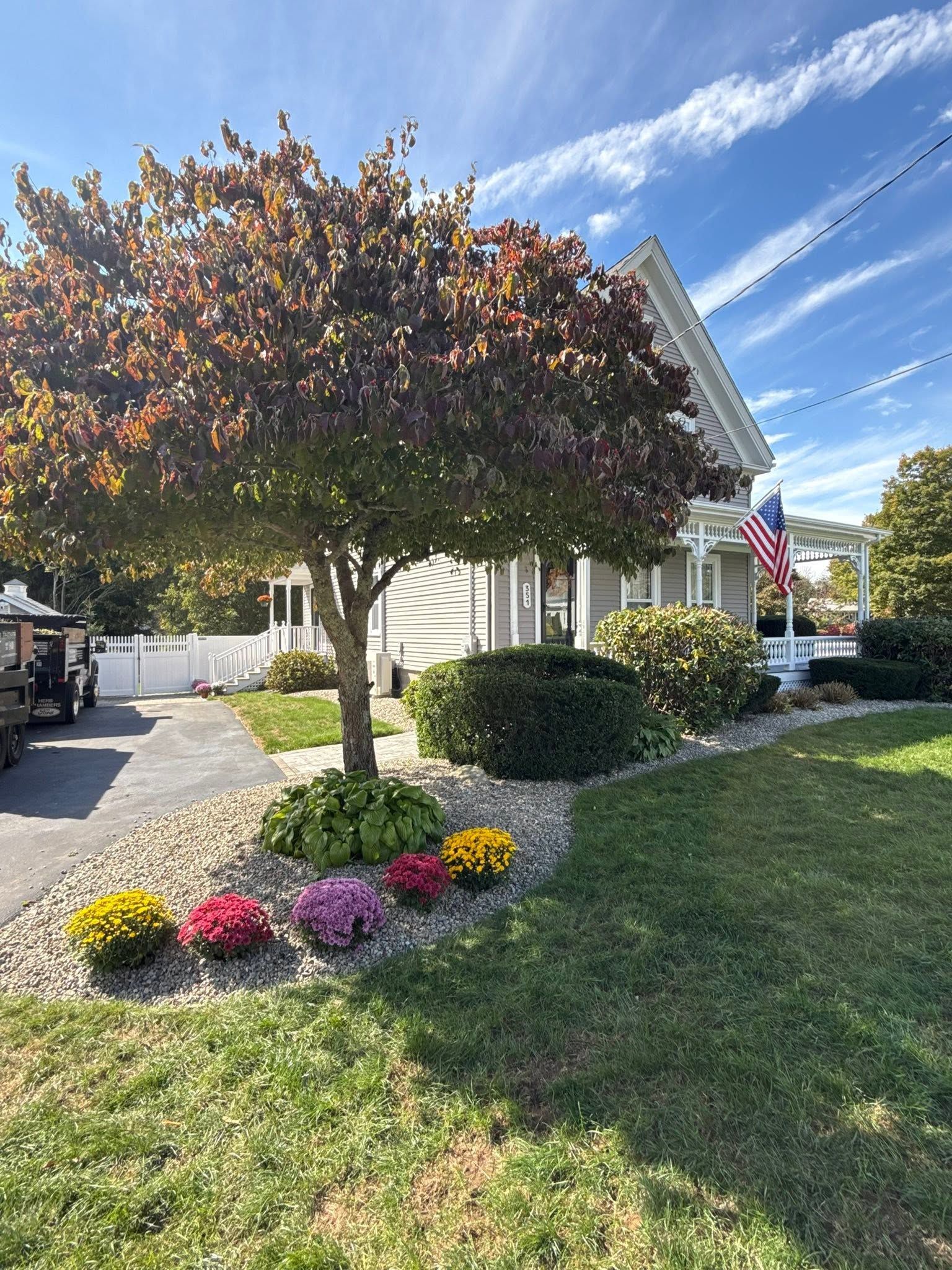
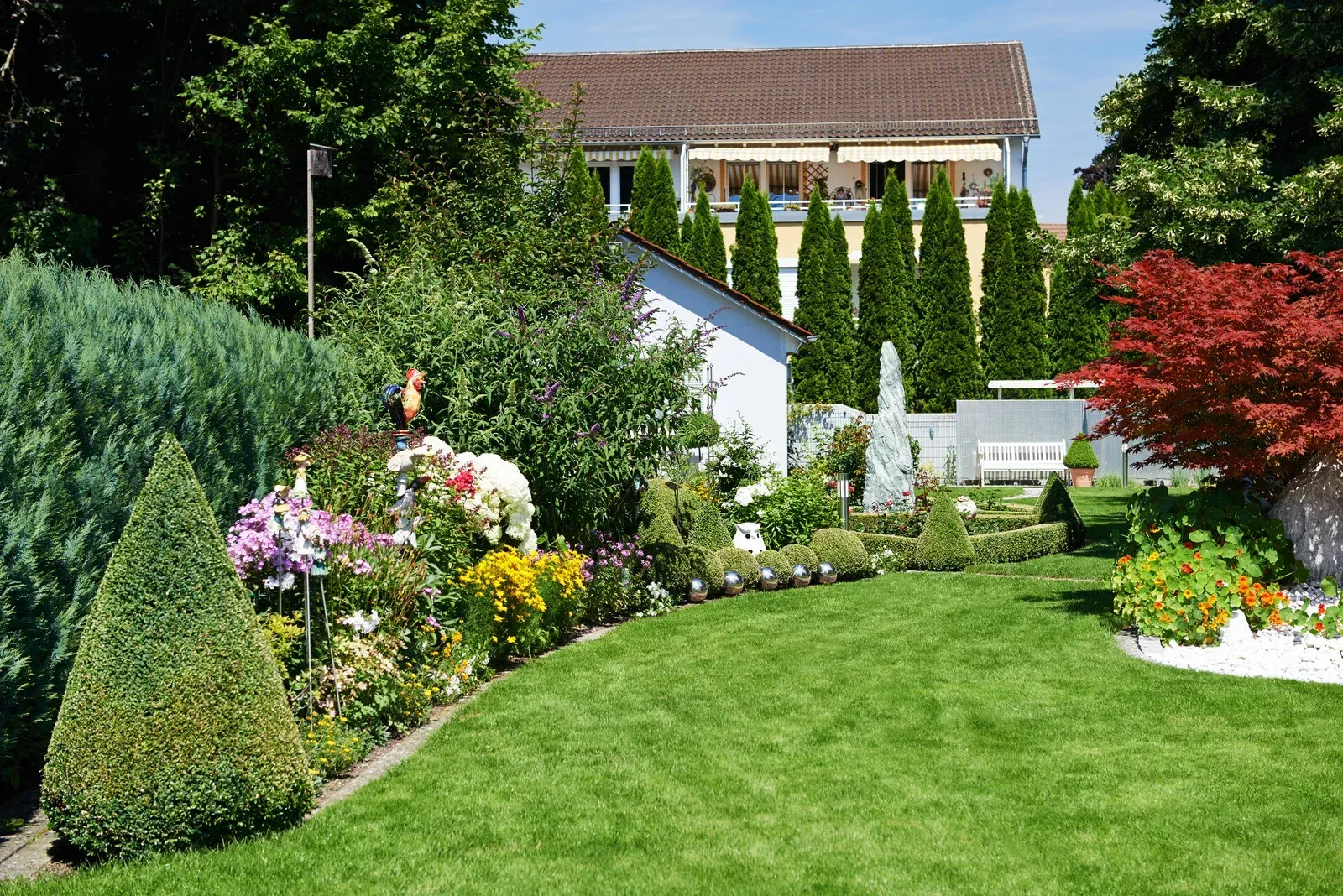
A PLAN BEATS A PILE OF PLANTS.
Most disappointing yards were never designed. They were bought. A flat of perennials goes in wherever there is room, a shrub gets planted where it will crowd a window in 4 summers, and the beds wander because nobody drew a line first. We start with the property itself: where water sits, where afternoon sun bakes, where you actually walk, and what the house wants to look like from the road.
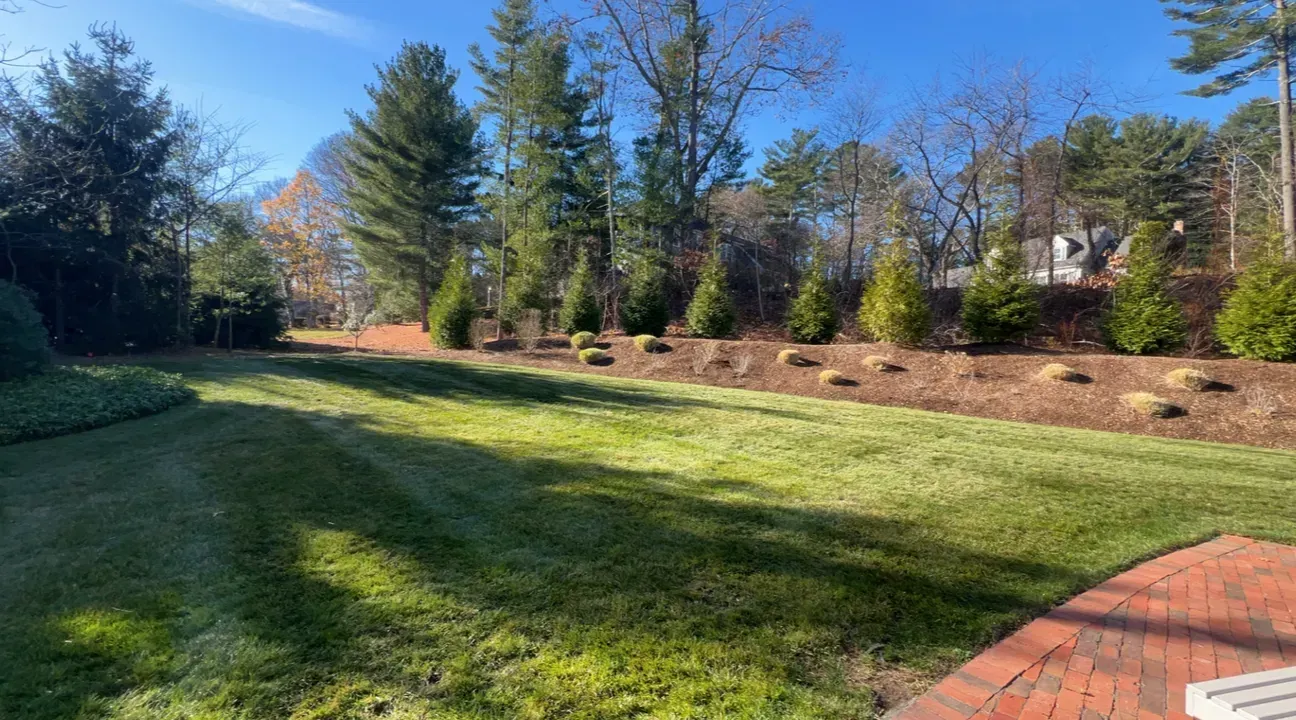
Then we build it. Grading, bed shaping, soil amendment, plant placement, and turf establishment happen in an order that lets each layer settle before the next one lands on top of it.
- Site walk and drainage read before design
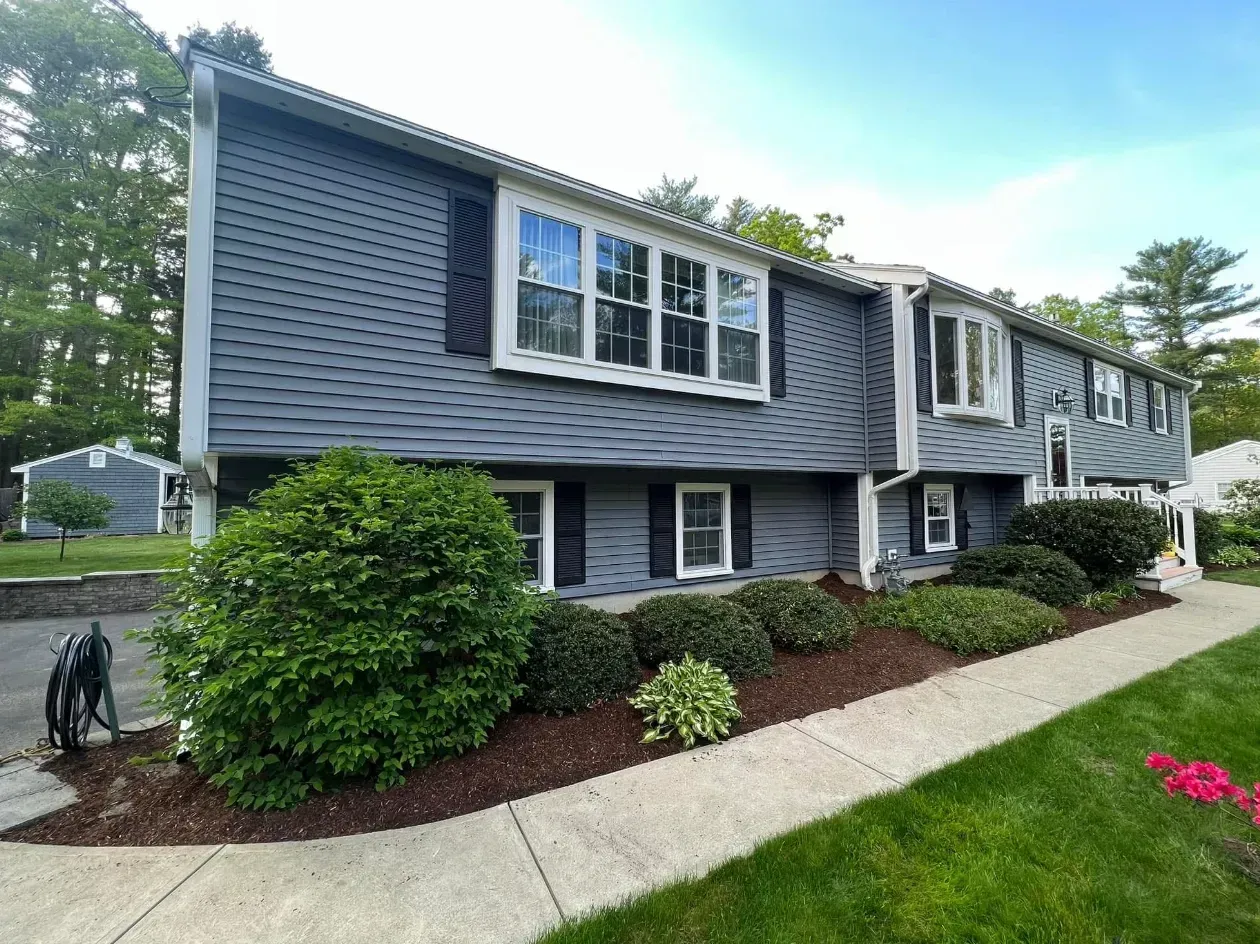
- Plant selection matched to sun, soil, and mature size
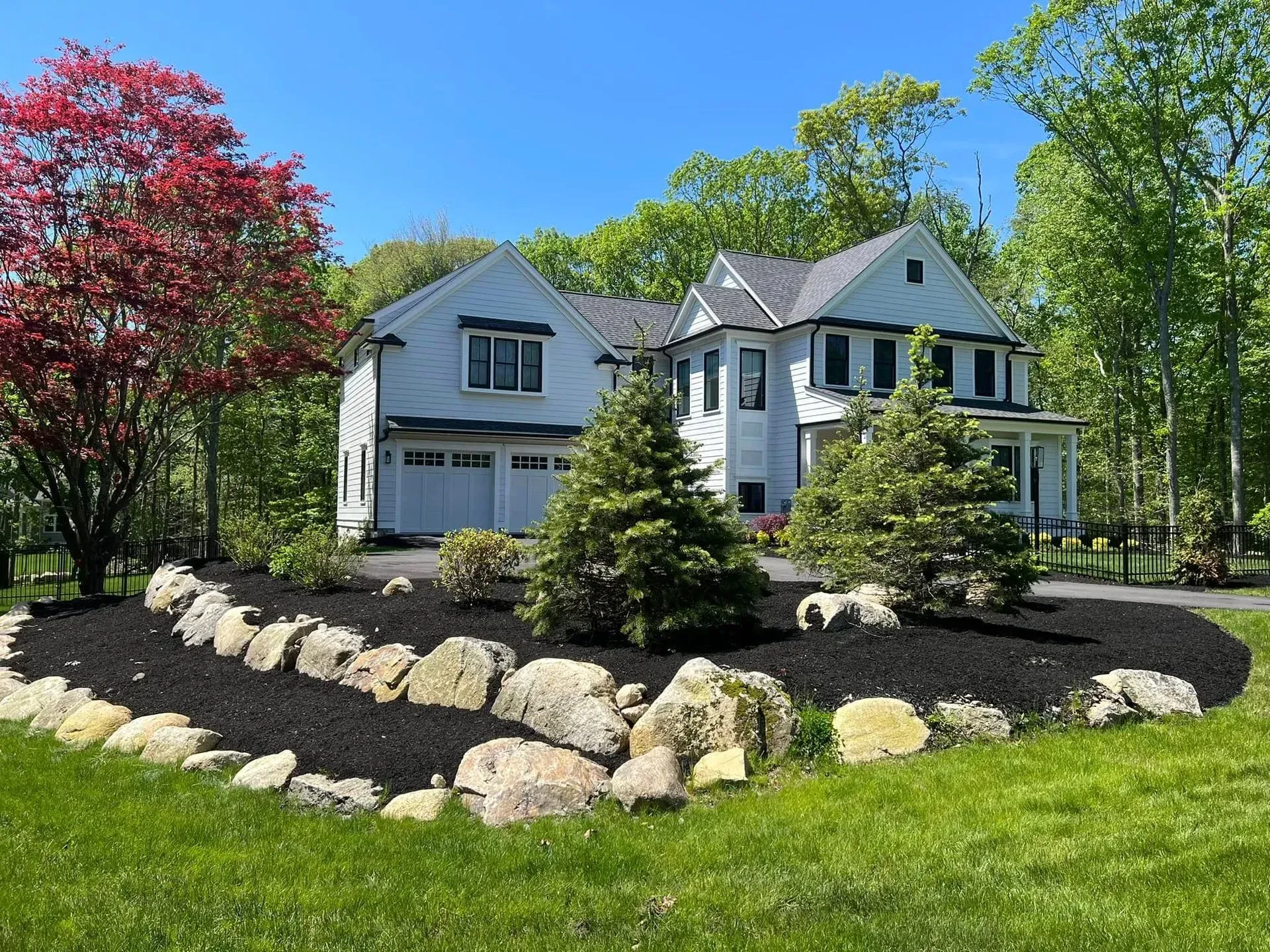
- Beds shaped and edged to a drawn line
- Soil prepared before anything is planted
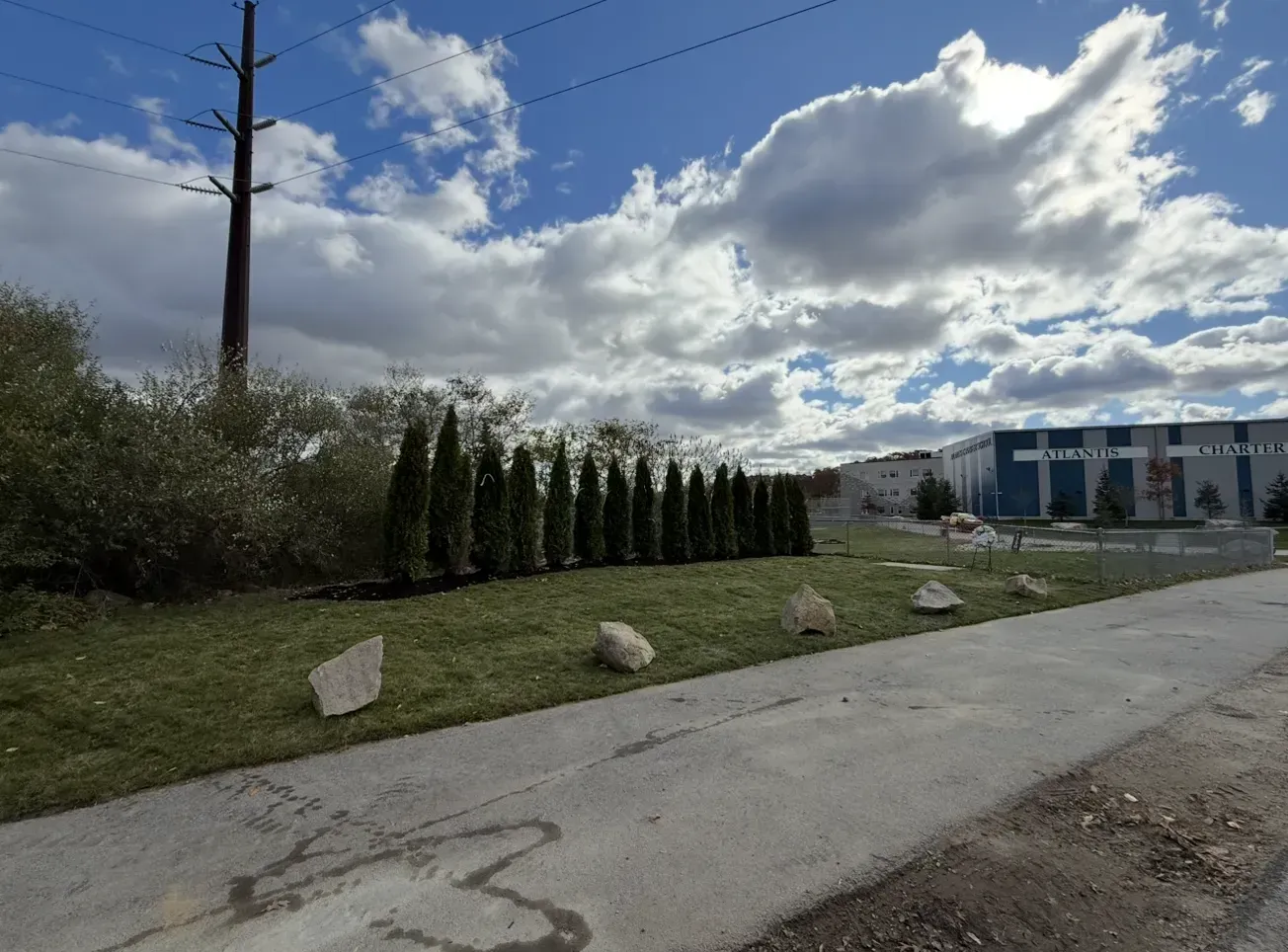
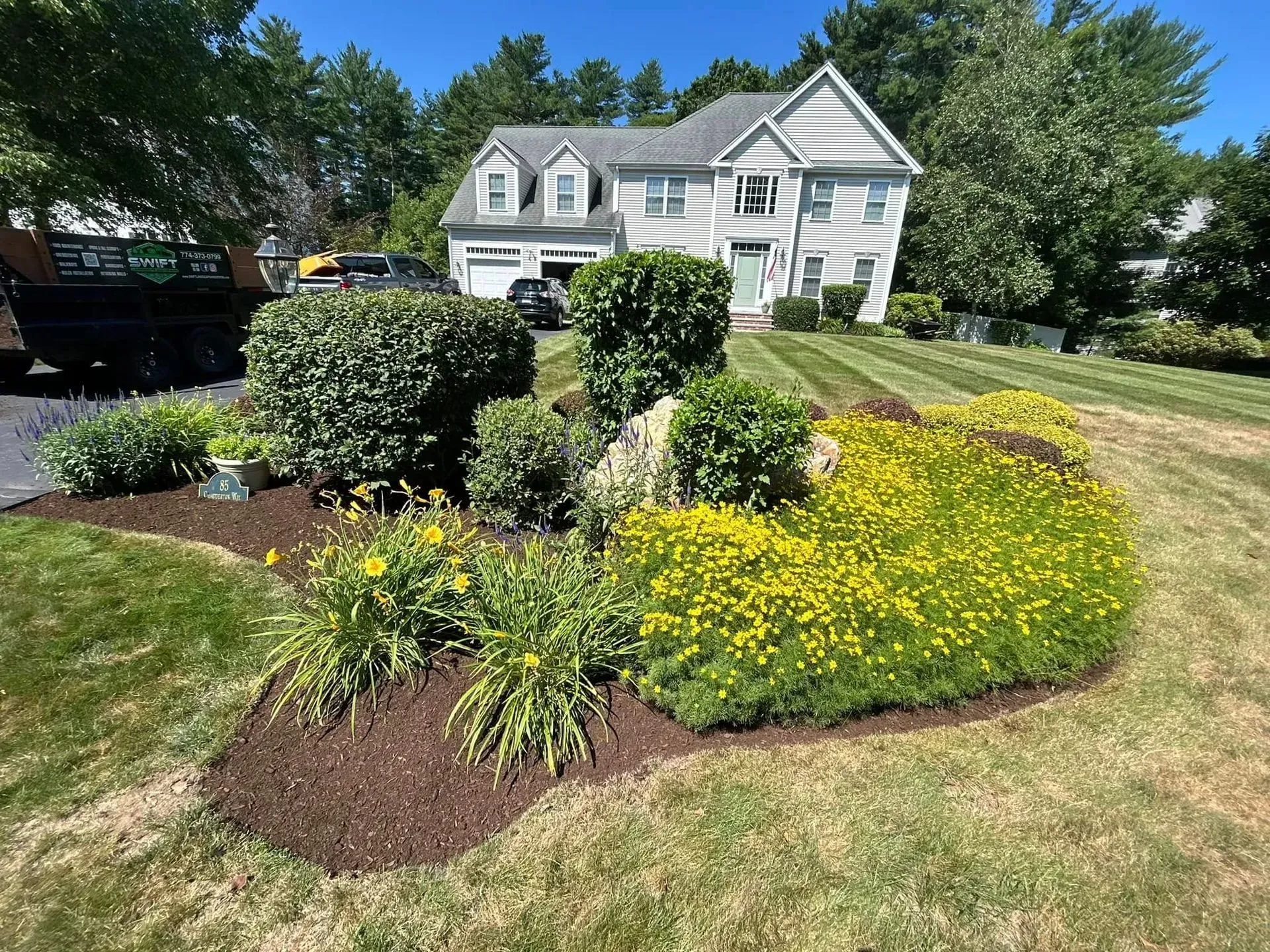
➜ LANDSCAPE DESIGN AND INSTALLATION
GOOD DESIGN SURVIVES THE FIRST WINTER.
Anyone can make a yard photograph well in June. The test comes in February, when a plow bank buries the front bed, road salt drifts across the border, and a shrub planted too close to the drip line splits under wet snow. We design for that February. Setbacks from pavement, salt-tolerant material along the street edge, mature-size spacing, and mulch depth that protects roots without smothering crowns all get decided during planning, not after the damage.
MIDDLEBOROUGH SOIL IS NOT ONE SOIL.
Drive 10 minutes in any direction and the ground changes. Old cranberry ground holds water long after a storm. Glacial sand near the Taunton River drains before a plant can drink. Some yards sit on fill trucked in when the house was built and never amended since. We test what we are planting into and adjust: compost where sand will not hold moisture, drainage correction where clay traps it, and species chosen to match what the soil will actually give them.
WE DRAW IT BEFORE WE DIG IT.
You see the plan before we order a single plant. Bed lines, plant counts, species, spacing, and the sequence of work all get settled on paper while changes still cost nothing. That habit comes from formal training in landscape design rather than from guessing on site, and it is why our installations rarely need a second visit to fix proportion. If your yard has never had a plan, that is where the value is hiding.
WHY CHOOSE US FOR LANDSCAPE DESIGN AND INSTALLATION.
ONE CREW, START TO FINISH
The people who draw your beds are the people who dig them. Nothing gets lost handing a design to a separate crew, and whoever chose each plant is standing there when it goes in
PHASED WHEN YOU NEED IT
A full property does not have to happen in one season. We can sequence the work so the front yard lands this spring and the back follows in fall, with each phase finished rather than half-done.
SOIL WORK YOU CANNOT SEE
Amendment, grading, and drainage correction happen before planting because that is what decides whether the landscape looks good in year 5. It is the least visible money you will spend and the best.
PLANTS SIZED FOR YEAR 10
Spacing is set by mature width, not by how full the bed looks on install day. You get a landscape that fills in properly instead of one that needs half of it torn out later.
CARE THAT DOES NOT STOP
Installation is the beginning. Mowing, mulch, pruning, and seasonal cleanups can roll straight into a maintenance schedule, so a new landscape has someone responsible for it the following spring.
PREDICTABLE PAYMENTS
Our yearly budget plans fold ongoing upkeep into 12 equal monthly payments, so a large installation does not turn into a string of unpredictable invoices every time the season changes.
➜ WHAT WE INSTALL
OUR LANDSCAPE INSTALLATION WORK
Six pieces make up most of what we install, and a single property often needs Several of them working together. Each one is quoted, scheduled, and built as its own stage of the project.
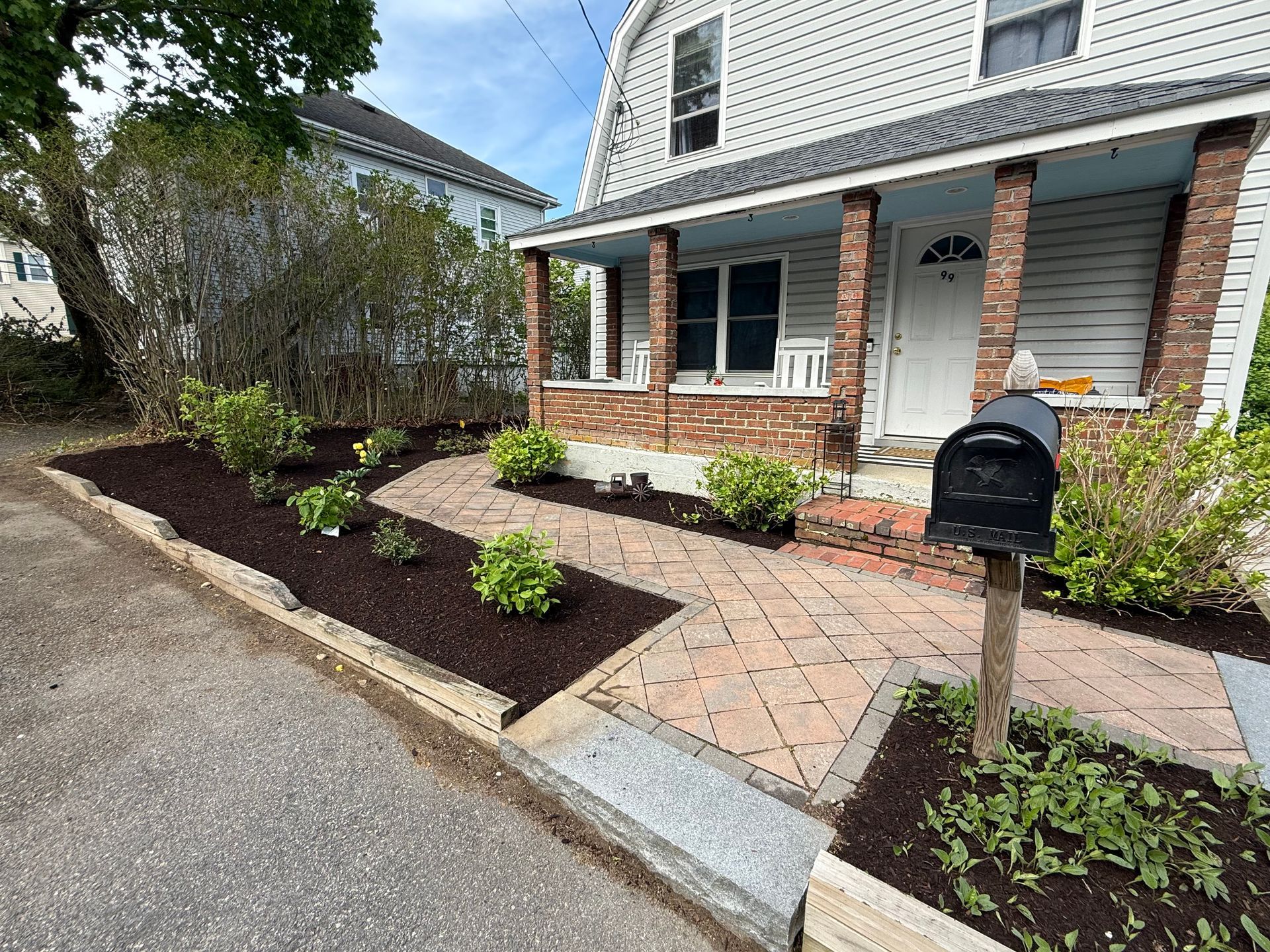
GARDEN BEDS
Bed Installation
New beds start with the line, not the plants. We cut and shape the edge, strip sod, amend the soil underneath, and set the depth so the finished bed sits proud of the lawn rather than collecting its runoff.
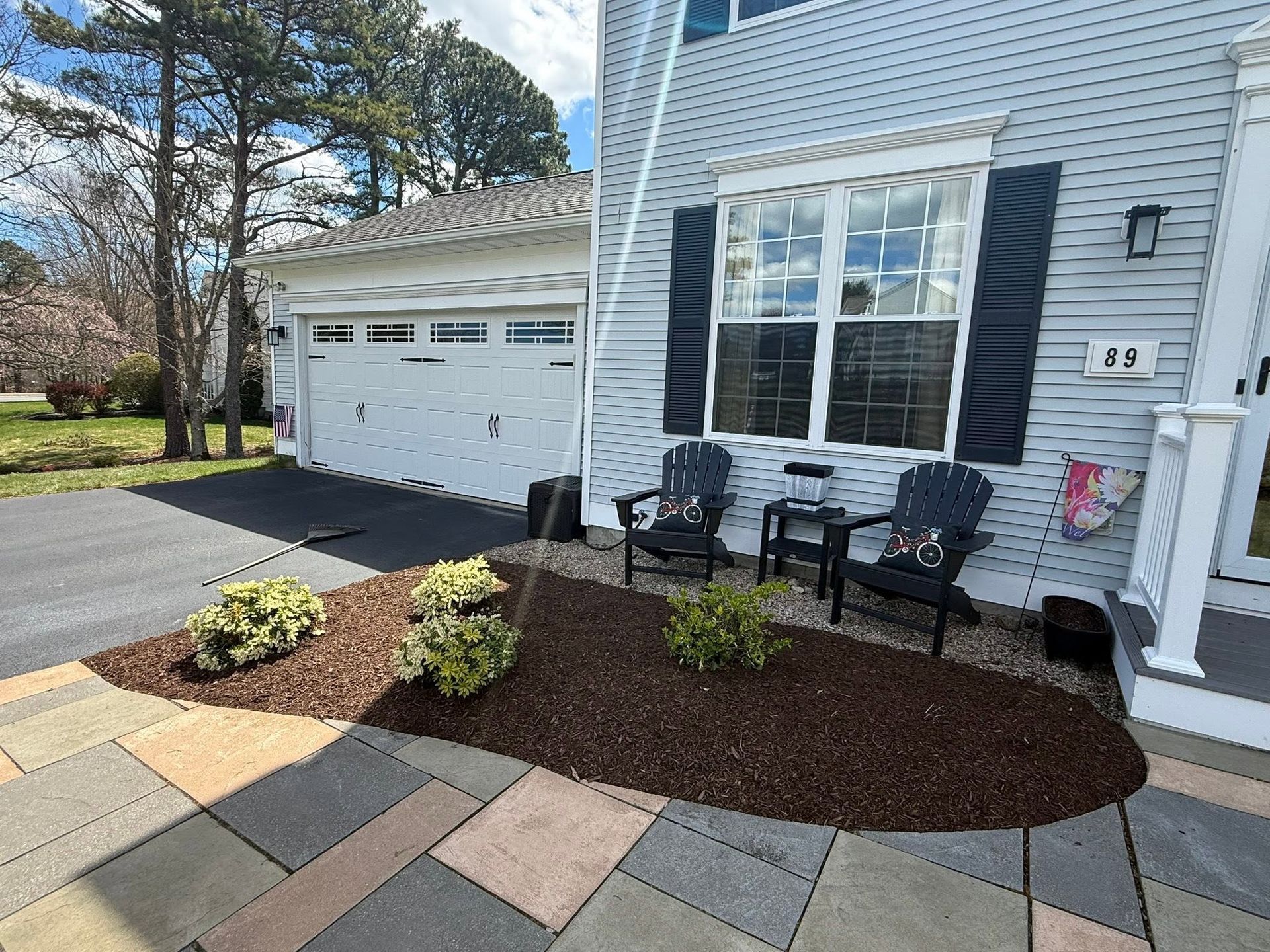
WOODY PLANTS
Bush and Shrub Installation
Shrubs go in at the depth they grew in the nursery, with the root flare visible and the hole dug wide rather than deep. Spacing follows mature width, so foundation plantings do not swallow a window within 5 seasons.
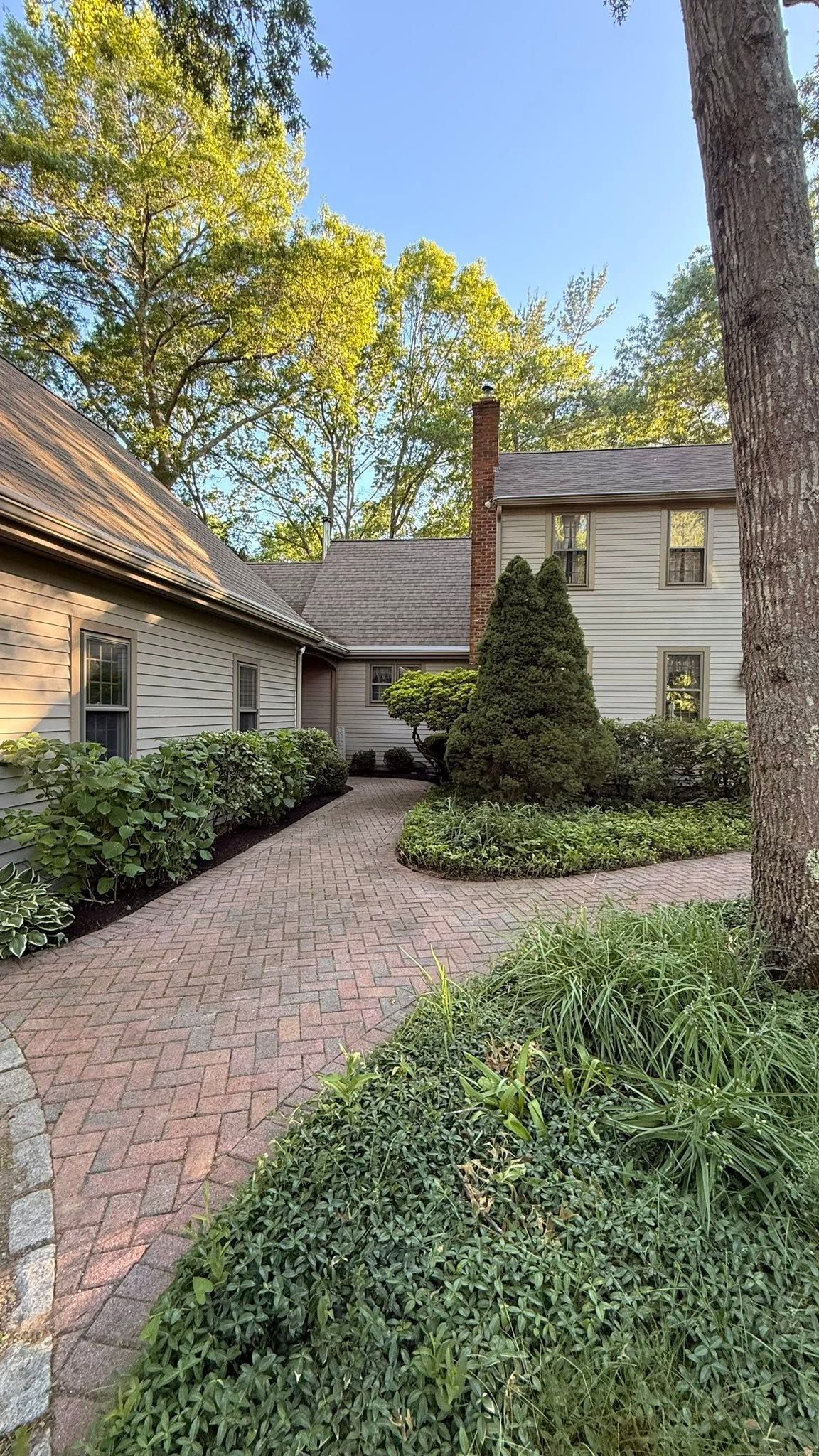
FULL RESET
Yard and Lawn Renovations
When a lawn is more weed than grass, patching stops working. Renovation strips what failed, corrects grade and compaction, rebuilds the soil profile, and reseeds into ground that can actually support turf rather than fighting it every year.
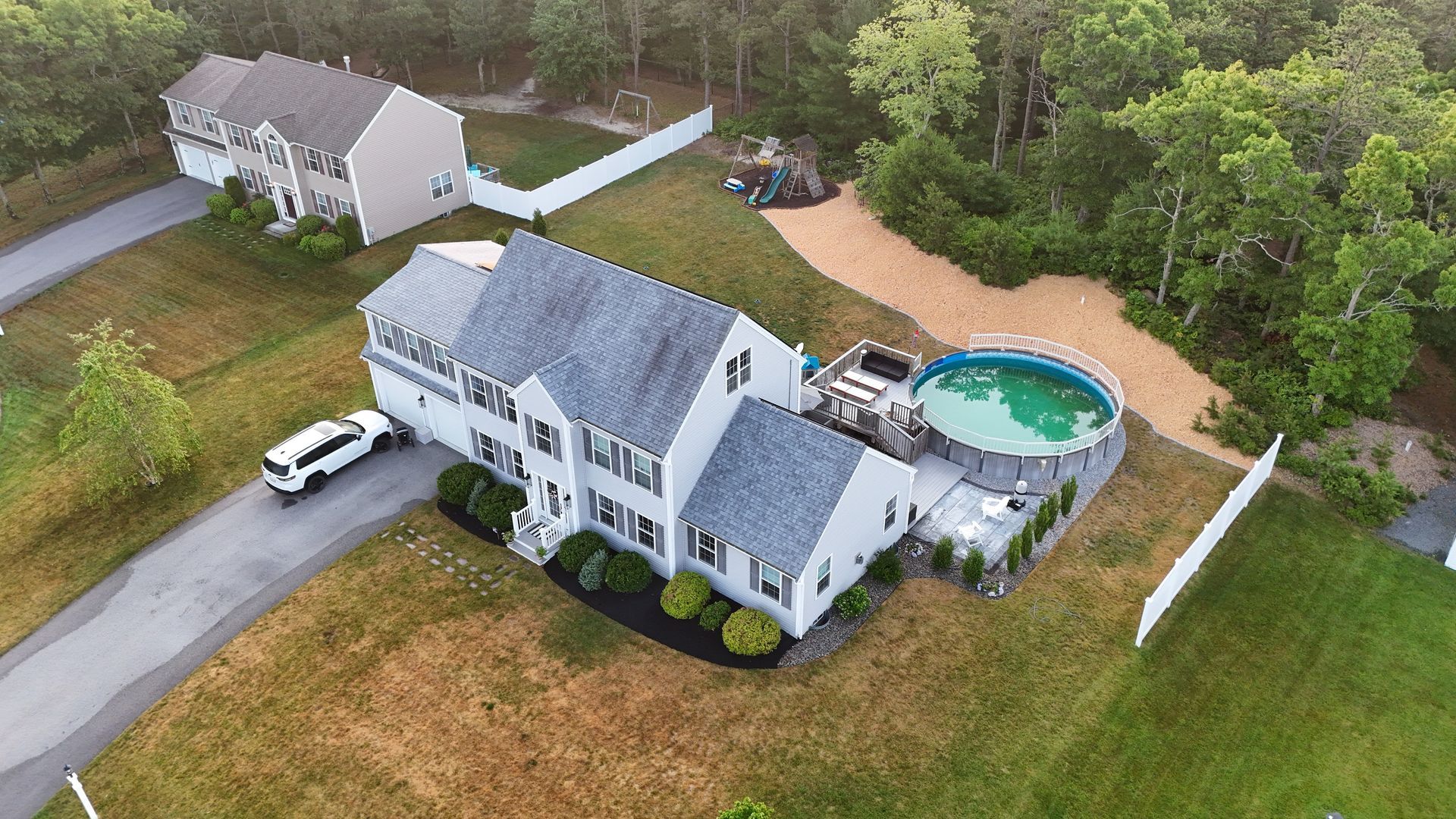
FROM SCRATCH
New Lawn Creation
Bare ground becomes lawn through preparation, not seed volume. Rough grade, rake, soil amendment, and a finished surface that drains away from the house come first, then seed goes down at the rate the species and season call for.
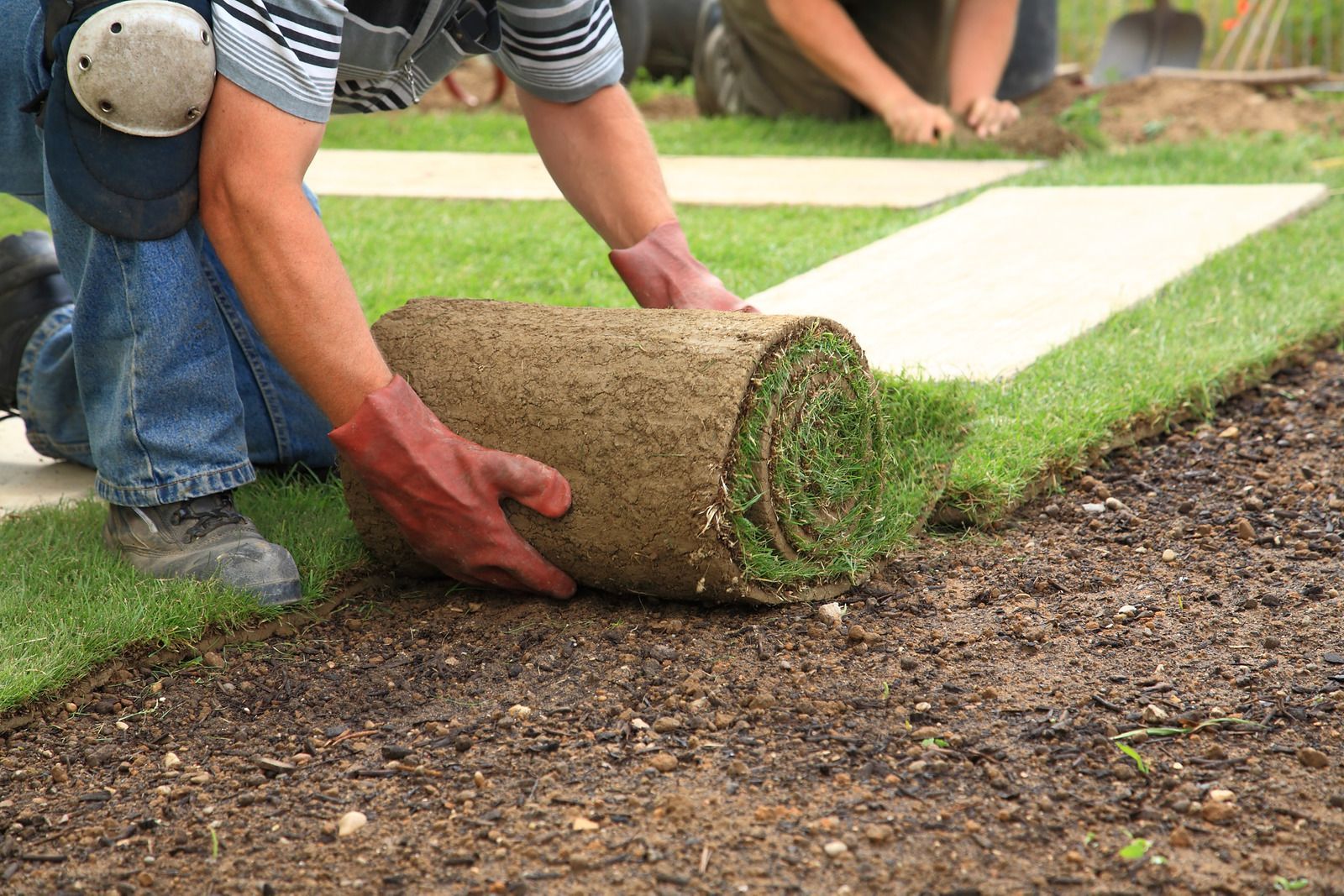
INSTANT TURF
Sod Installation
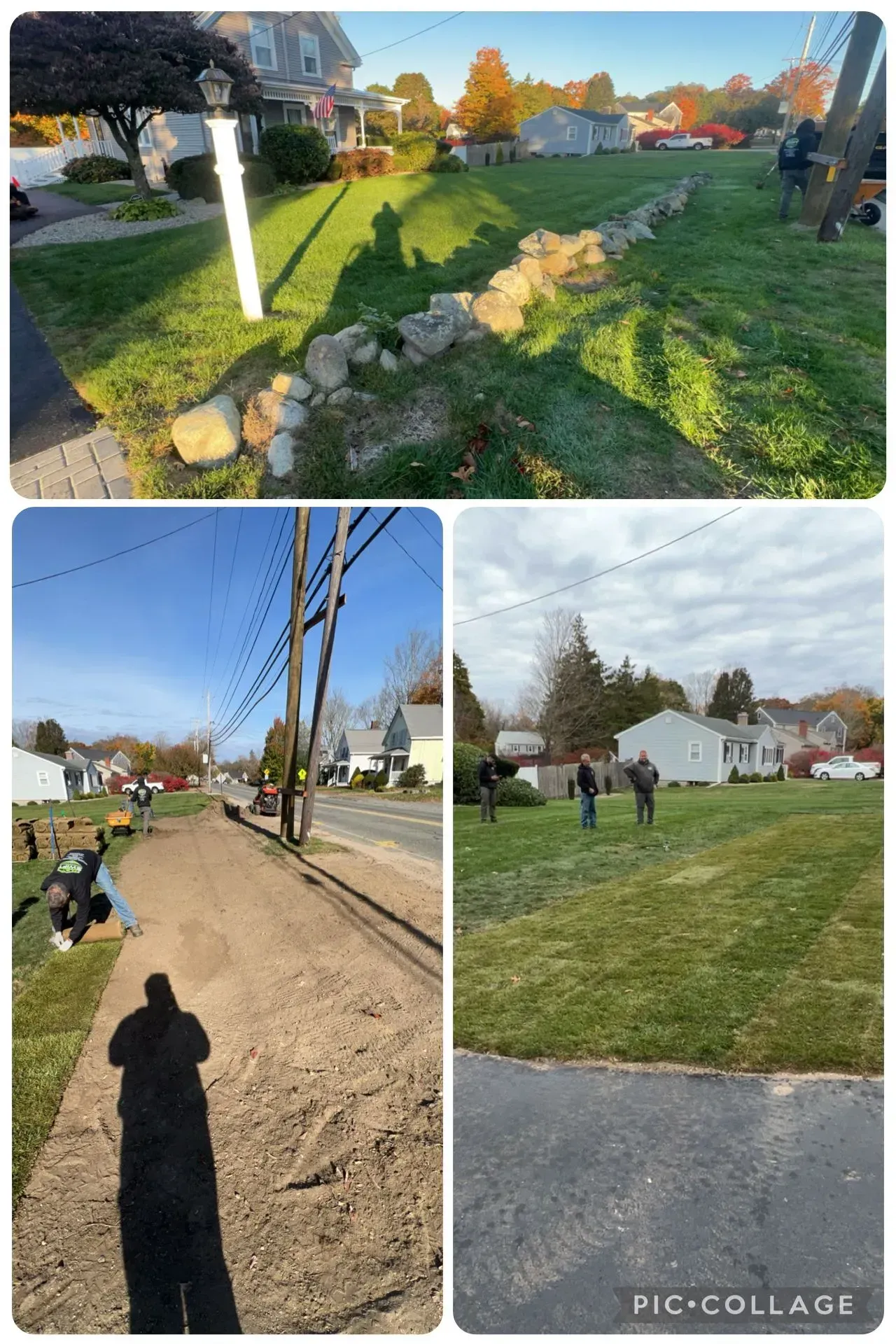
Sod answers erosion and impatience at the same time. Rolls go down on prepared, moist soil with tight staggered seams, rolled flat so roots meet ground, then watered on a schedule that gets them knitted in within 2 weeks.
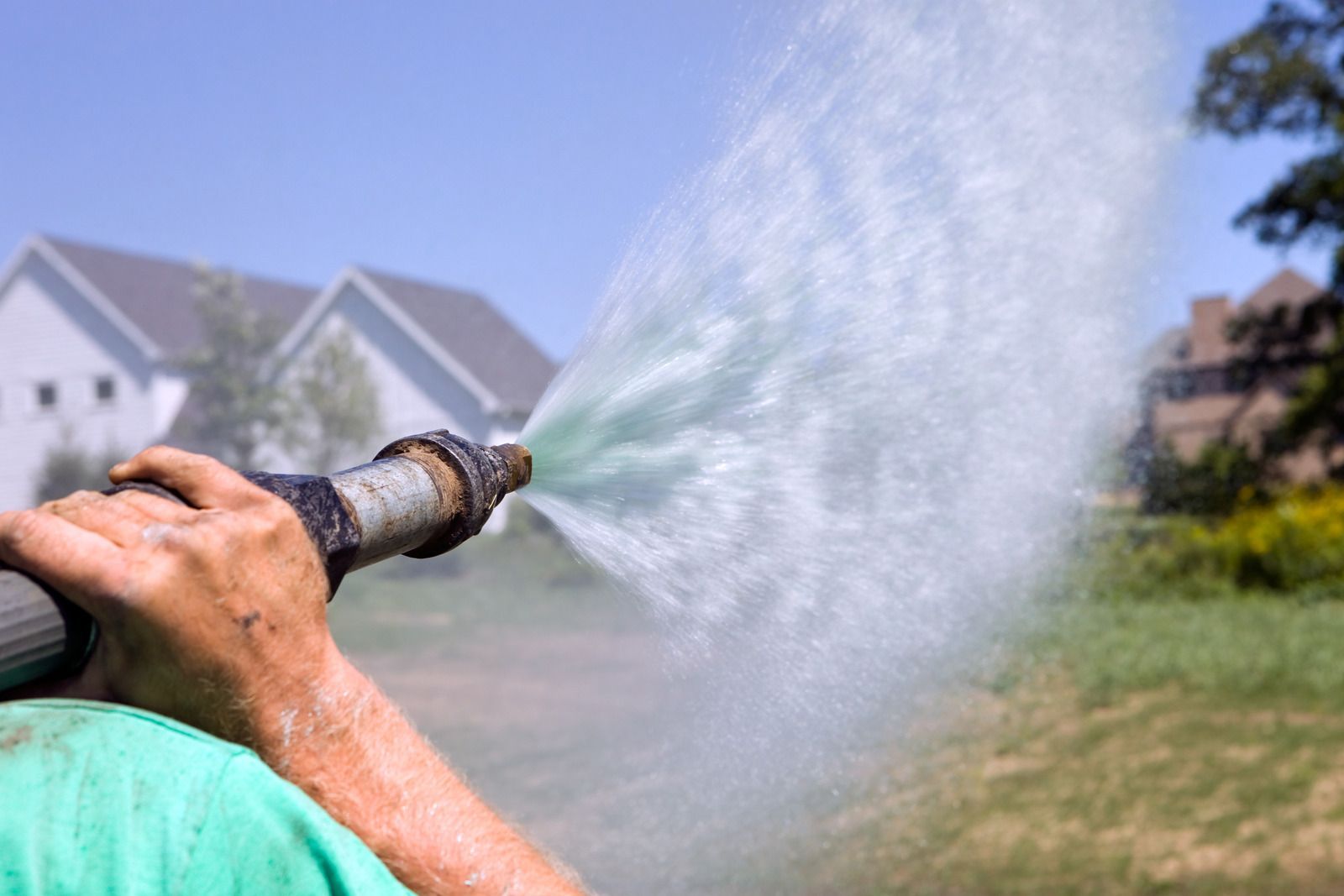
LARGE AREAS
Hydroseed Application
Hydroseed covers wide or sloped ground faster and cheaper than sod. The slurry holds seed, fertilizer, and mulch against the surface, resists washout on a grade, and germinates evenly across areas too large to hand-seed well.
➜ THE WORD ON OUR WORK
WHAT OUR CLIENTS SAY.
The comments repeat the same things: we arrive when we said we would, we leave the site clean, and the finished landscape looks like what was described at the estimate. That is the standard we hold every installation to, on every property we take on.
➜ Common Questions
FREQUENTLY ASKED QUESTIONS.
Design questions come up in a predictable order once people start planning. These are the ones we field most often, answered the way we would answer them standing in your driveway.
What are the steps in the landscape design process?
We walk the property, note drainage, sun, and traffic patterns, then draw bed lines and select plants for the conditions we found. You review the plan, we adjust it, and only then do we schedule installation and order material.
What is the difference between a landscape architect and a landscape designer?
Landscape architects hold a state license and handle structural and civil work such as grading plans and public sites. Designers focus on planting composition, bed layout, and residential and commercial installations, which covers the overwhelming majority of home projects.
How long does a landscaping project take?
A single front bed can be finished in 1 or 2 days. A full property with grading, planting, and a new lawn usually runs 1 to 3 weeks of site time, spread across a schedule that respects planting and seeding windows.
Can a landscape project be completed in phases?
Yes, and phasing often produces a better result. Swift Landscape and Design draws the plan for the whole property in Middleborough, MA, then builds it in stages so each area is genuinely finished and planting still happens in season.
How do you choose plants for a landscape?
Sun exposure, soil moisture, mature size, and salt or wind exposure narrow the list before appearance does. Once we know what will survive in a given spot, we select for bloom sequence, foliage texture, and winter structure from the survivors.
Can you address drainage and grading problems?
Yes. Standing water and runoff get corrected during grading, before planting, because no plant selection survives a spot that holds water. Regrading, swales, and bed elevation solve most residential drainage issues without any buried system.
Does landscaping increase home value?
Mature, well-maintained landscaping consistently ranks among the improvements buyers notice first, and curb appeal shapes an offer before anyone steps inside. Structure, healthy plant material, and clean edges matter far more than the number of plants.
What is the best time of year for landscape installation?
Spring and early fall are the strongest windows, because soil is workable and roots establish before heat or hard frost arrives. Working across Middleborough, MA since 2022, Swift Landscape and Design keeps seeding and planting inside those two seasons.
➜ HOW WE WORK
FROM FIRST WALK TO FINISHED YARD, HERE IS HOW.
STEP 01
Walk the property with you
We meet on site, listen to how you use the yard and what frustrates you about it, then read the property ourselves for drainage, sun, soil, and access before offering a single opinion about plants.
STEP 02
Draw the plan
Bed lines, plant species, counts, spacing, and any grading work get put on paper. You see the layout and the plant list together, so changes happen while they are still free to make.
STEP 03
Price it honestly
The estimate breaks the project into stages with material and labor priced for each one, so you can approve everything at once or phase the work across seasons without having to renegotiate the whole job later.
STEP 04
Prepare the ground
Sod stripping, grading, drainage correction, and soil amendment all happen before a single plant goes in the ground. This stage never shows up in photographs and it decides most of whether the finished landscape thrives or struggles.
STEP 05
Install and plant
Beds are cut to the drawn line, shrubs and perennials are set at proper depth and spacing, lawn areas are seeded, sodded, or hydroseeded, and mulch goes down at a depth that protects without smothering.
STEP 06
Hand it over and keep it
We walk the finished property with you, explain watering for the first few weeks, and set up ongoing mowing, pruning, mulch, and seasonal cleanups if you would rather have the landscape maintained than left to fend for itself.
➜ GET YOUR FREE ESTIMATE
TELL US WHAT THE YARD SHOULD BECOME, FREE.
Send us the property and what you want out of it. We will walk it, read the soil and drainage, and come back with a plan and a number. Estimates cost nothing, and the plan is yours either way.
WHAT YOUR ESTIMATE COVERS:
- On-site walk-through of the full property
- Drainage, sun, and soil assessment
- Bed layout and plant recommendations
- Staged pricing you can phase
- Yearly budget plan option
- 10% military discount available