

➜ Fire Pit Installation
FIRE PIT INSTALLATION IN Middleborough, MA & Surrounding Areas
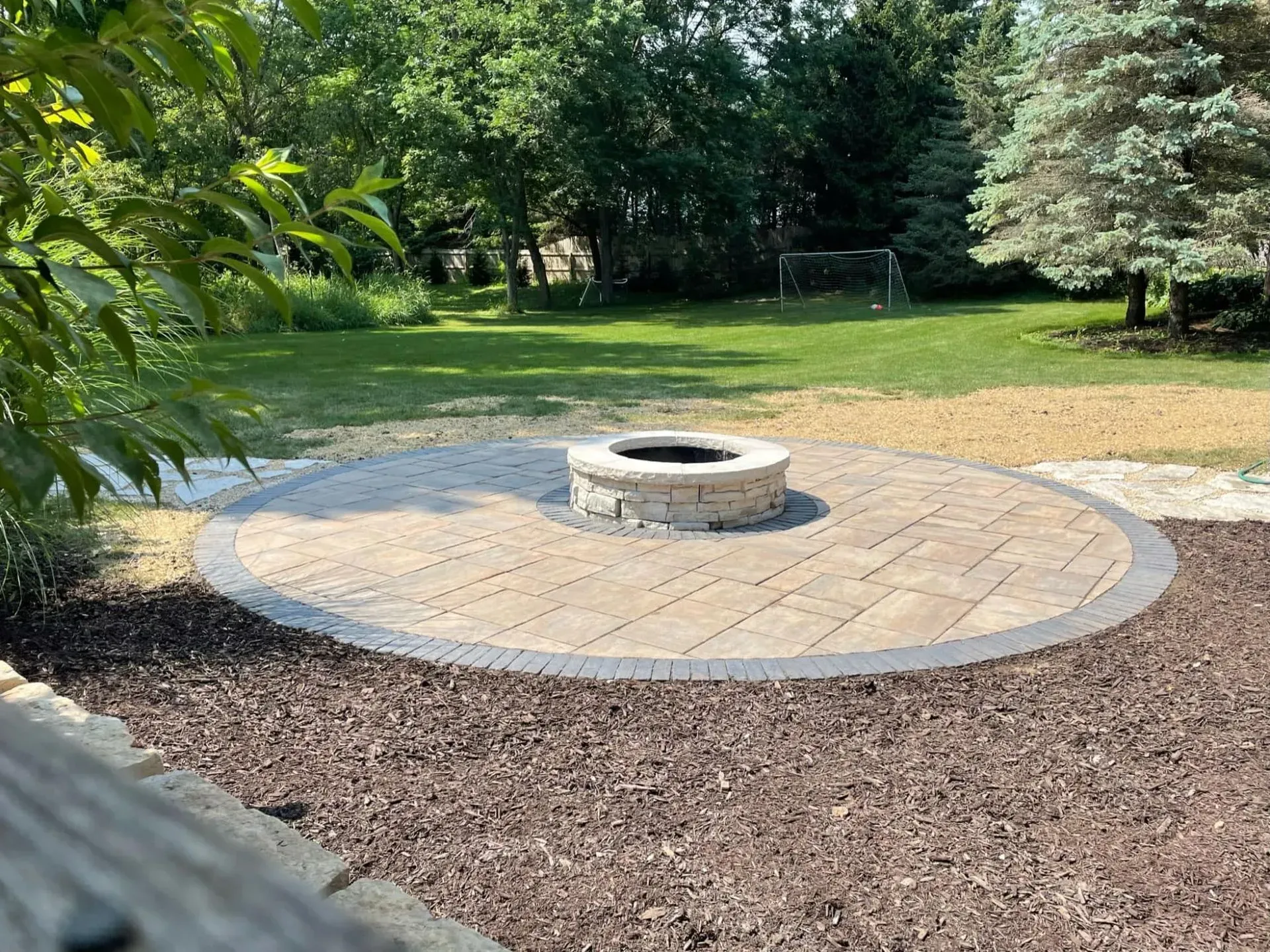
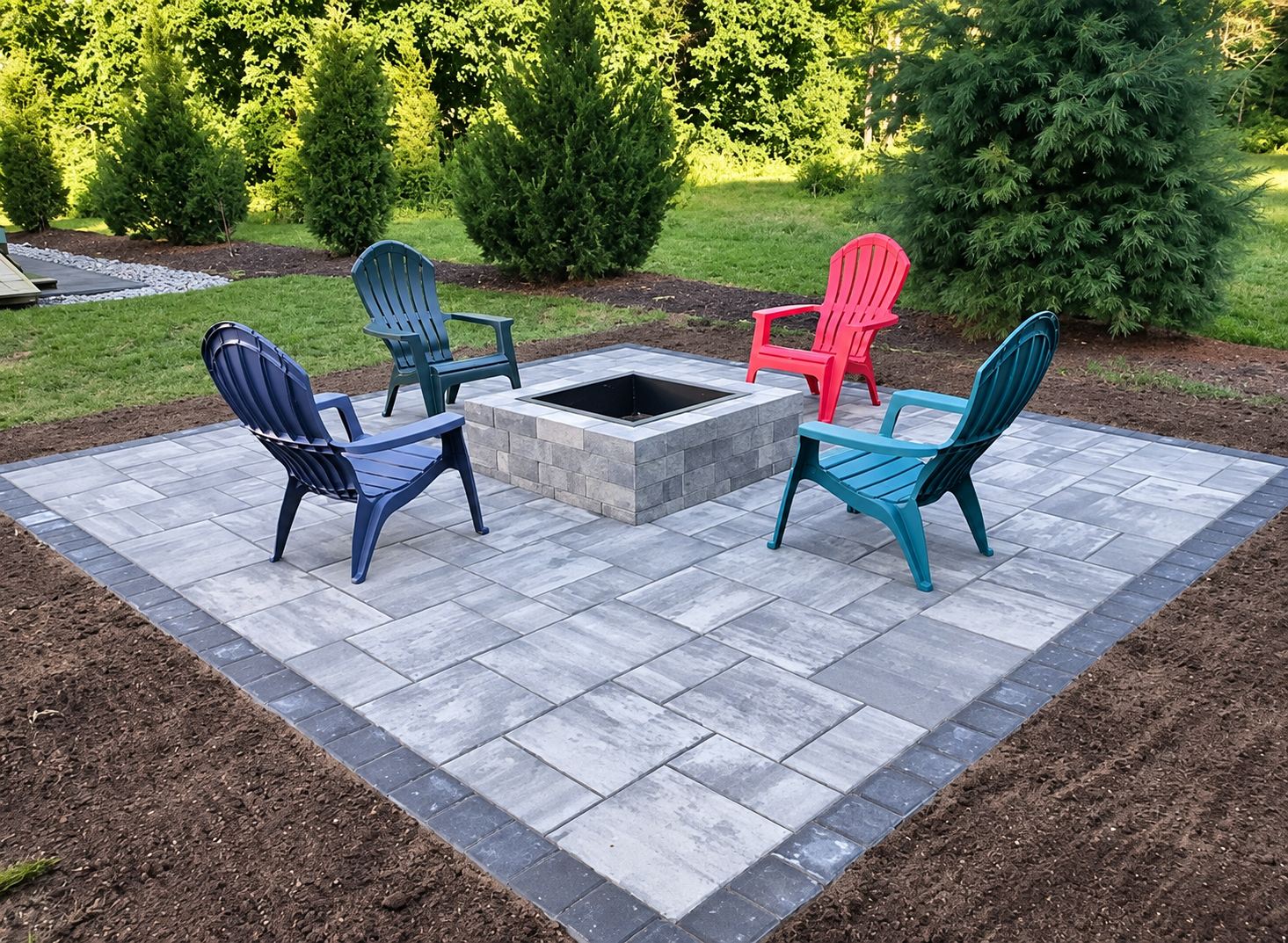
A thoughtfully placed fire pit creates a comfortable gathering space and complements the rest of your backyard. Swift Landscape and Design provides fire pit installation in Middleborough, MA & Surrounding Areas, with attention to the layout, surrounding hardscape, and room for seating. The design should account for the type of fire pit, manufacturer requirements, and local rules before construction begins.
FIRE PULLS PEOPLE OUTSIDE IN OCTOBER.
That is the real argument for building one. A patio gets used from June through August. A patio with a fire pit gets used from April into November, and the shoulder seasons are when a New England yard is at its best anyway.
The catch is that a fire pit only works if the space around it works. Seating distance, wind direction, clearance from the house, and a surface that will not scorch all have to be right, or you build something that gets lit twice and then becomes a planter.
- Placement based on applicable clearance requirements
- Seating set at a comfortable radius
- Non-combustible surround and surface
- Design suited to the fire pit type and local requirements
➜ FIRE PIT INSTALLATION
Choose the Location Before Planning the Surroundings
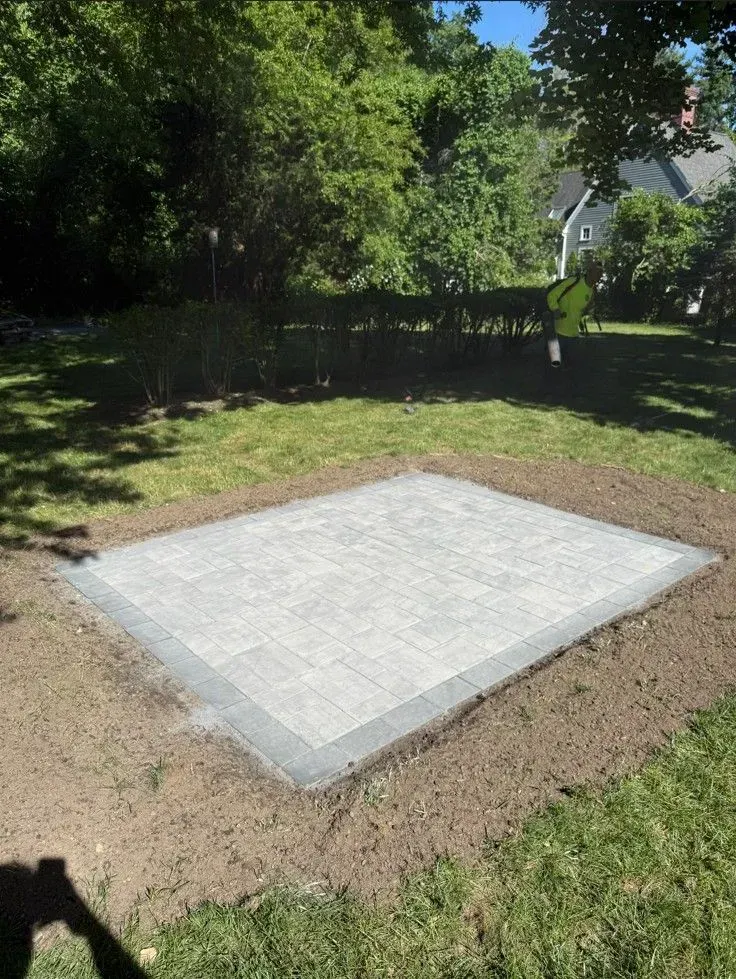
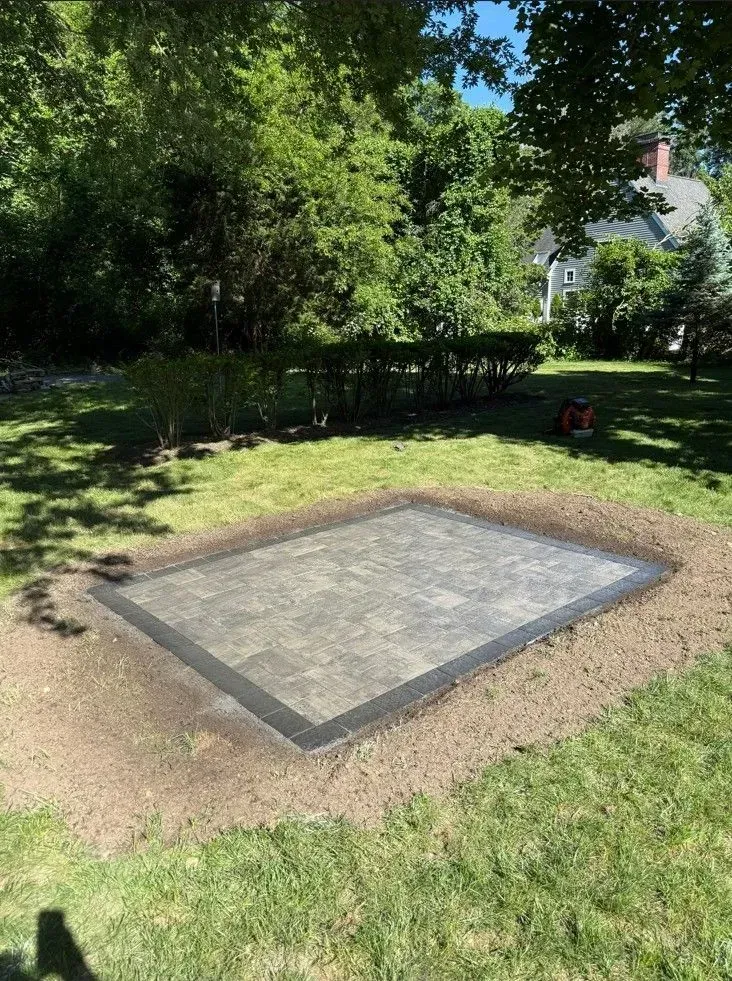
Fire pit placement affects the entire outdoor layout. Nearby structures, overhead branches, wind exposure, and access around the seating area all deserve consideration. Confirm the requirements for your particular fire pit with your local fire department before finalizing the location, then plan the surrounding patio and walking routes around the approved placement.
COOL EVENINGS ARRIVE EARLY ON THE SOUTH COAST.
Nights here turn crisp by mid-September and stay usable well into November if you have somewhere warm to sit. Coastal breezes also mean wind direction is worth reading before construction, since a pit placed downwind of the seating turns every gathering into an eye-watering shuffle around the circle. We look at prevailing wind, tree cover, and how the yard funnels air before settling on a location.
Plan Around Your Property and Local Requirements
Fire pit requirements can vary by location and equipment type. Establish the applicable clearances, operating restrictions, and manufacturer instructions before installation. Addressing these details early helps you make informed decisions about placement, materials, and the surrounding outdoor space.
WHY CHOOSE US FOR FIRE PIT INSTALLATION.
CLEARANCES CHECKED FIRST
Location gets set against structures, fences, property lines, and overhead branches before any design begins, so the finished pit sits somewhere you can actually light it and use it safely.
BUILT IN, NOT DROPPED ON
The surround is constructed as part of the hardscape with a proper base beneath it, so it does not settle, shift, or separate from the patio it sits in.
SEATING THAT WORKS
Radius, clearance, and traffic flow around the pit are planned so people can sit comfortably, walk past behind the chairs, and feel the heat without crowding the fire.
SURFACES THAT TAKE HEAT
Materials around the fire are selected for heat tolerance and durability, so a stray ember does not leave a permanent scar on a surface you have only just paid to install.
WIND AND SMOKE CONSIDERED
Prevailing wind and how your yard channels air get factored into placement, which is the difference between a pleasant evening and everyone moving their chair every 10 minutes.
FINISHED AS ONE PROJECT
Patio, seating area, lighting, and surrounding plantings are handled together, so the fire pit reads as part of a designed space rather than an object placed in the lawn.
➜ WHAT WE BUILD
OUR FIRE PIT INSTALLATION WORK
Six elements make up a fire pit project that actually gets used. Most builds combine several of them, and every single one starts from the question of where the pit is allowed to sit.
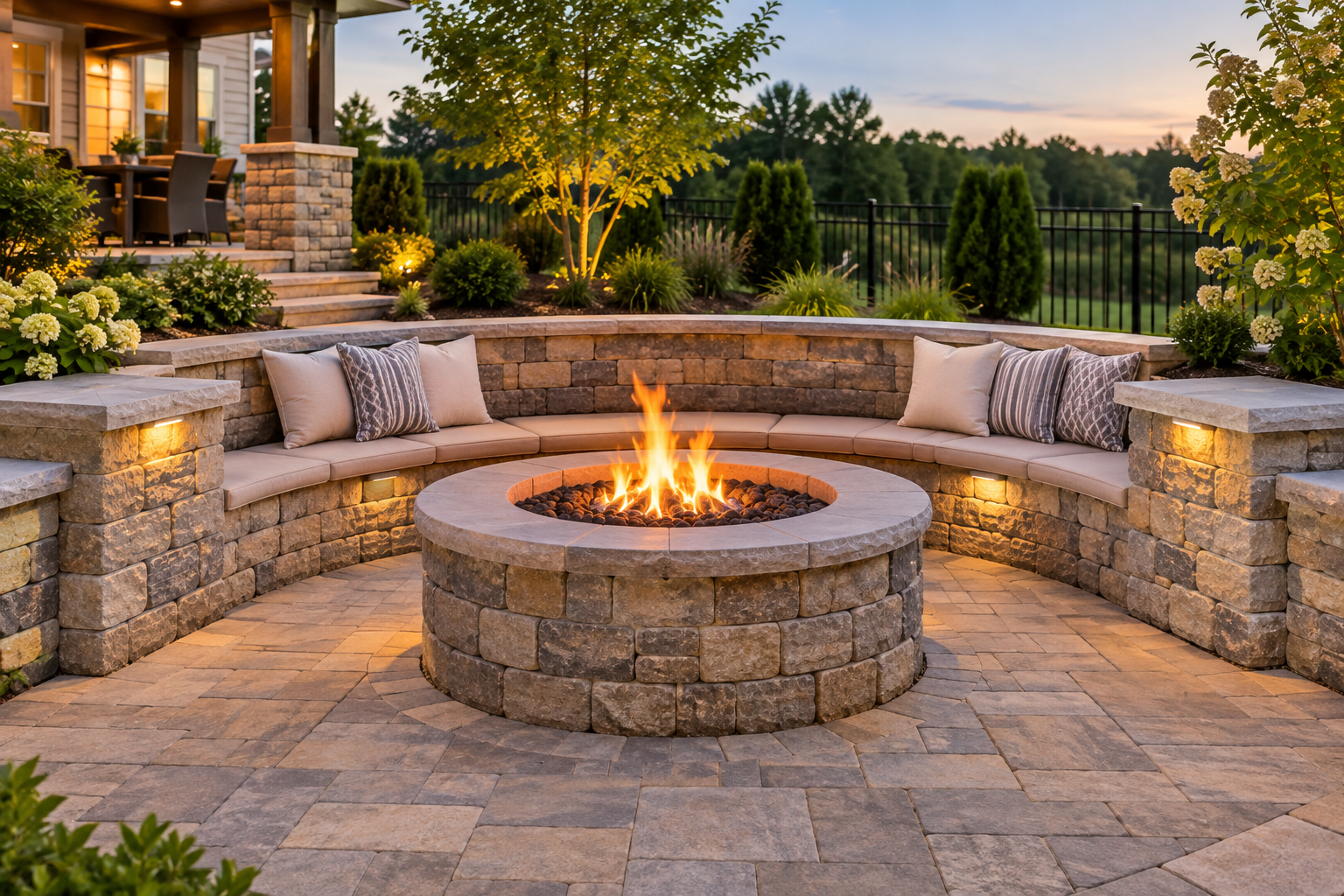
THE STRUCTURE
Built-In Fire Pit Construction
A built-in fire pit creates a defined focal point within your outdoor living area. Its dimensions, materials, and installation details should suit the selected system, manufacturer instructions, and applicable local requirements.
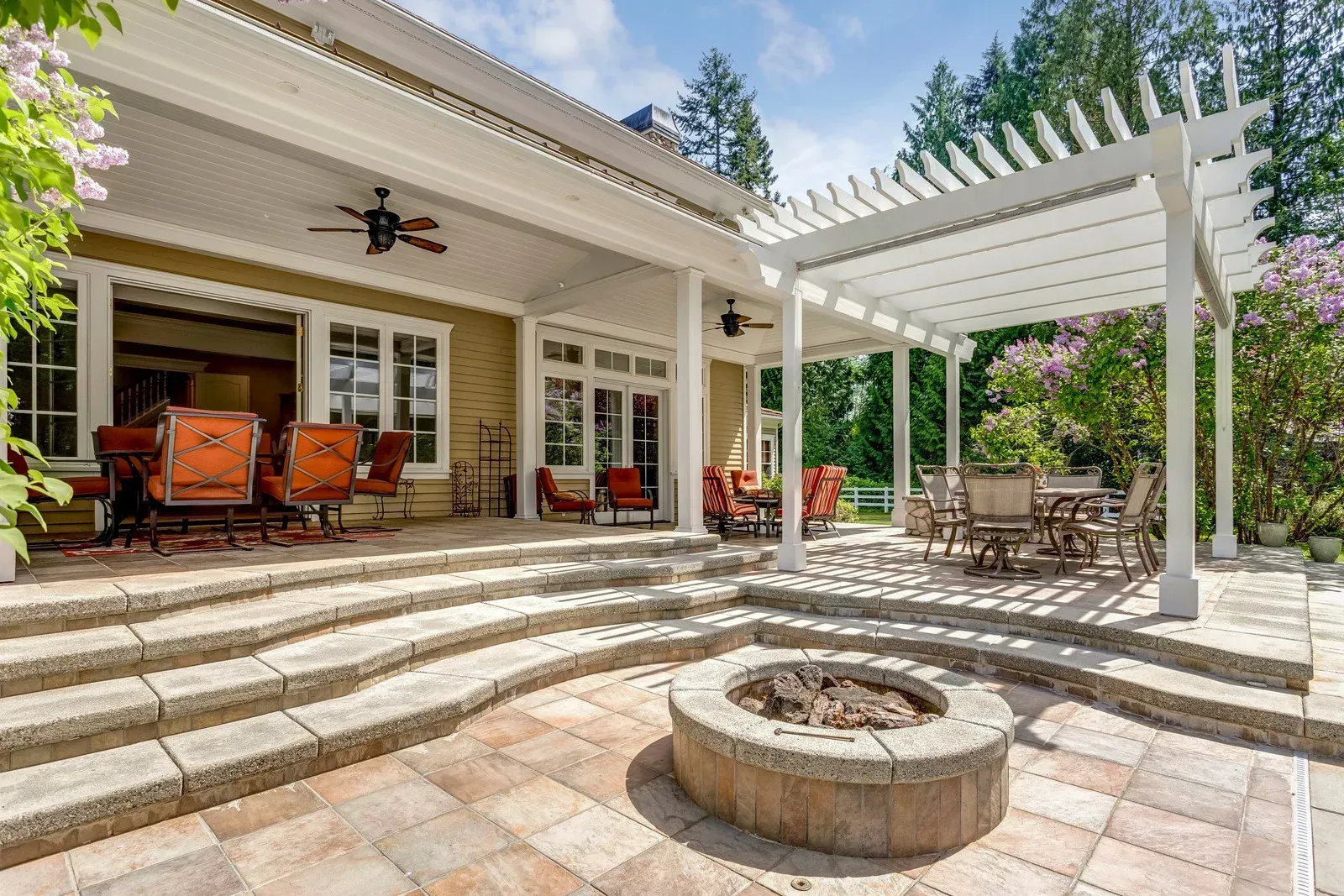
ONE SURFACE
Fire Pit and Patio Integration
The pit is designed into the patio layout from the very beginning, with the surrounding field laid out to accommodate it and the paving pattern worked around it so nothing looks retrofitted later.
ROOM TO SIT
Seating Area Layout
The circle around the fire is sized for real chairs and real people, with enough radius to stay comfortable at full burn and enough space behind for someone to walk past without turning sideways.
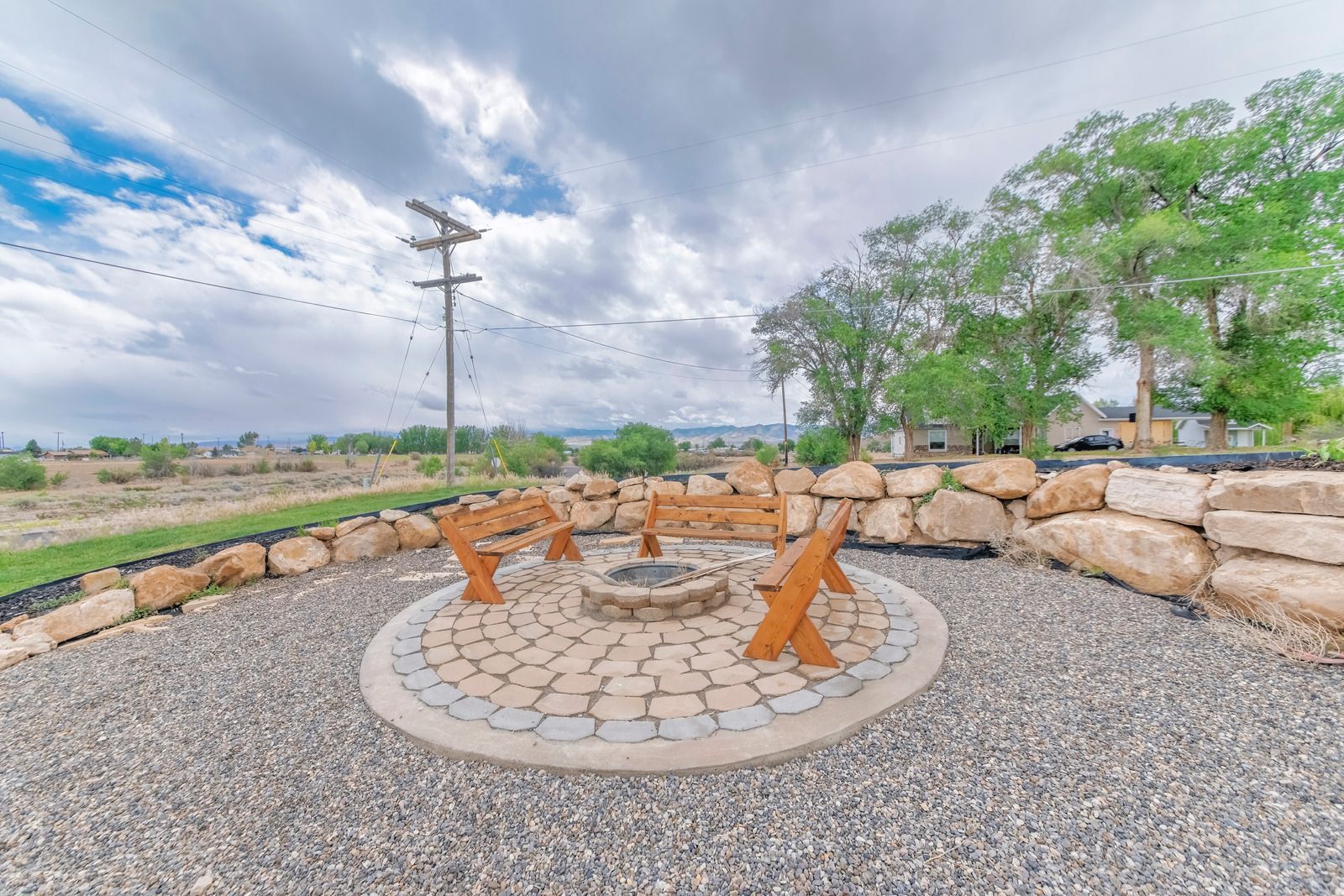
THE LOOK
Material Selection Assistance
Block, natural stone, and paver options reviewed for heat performance, texture, and how the surround will sit against the patio and the house. We bring samples rather than a catalog page.
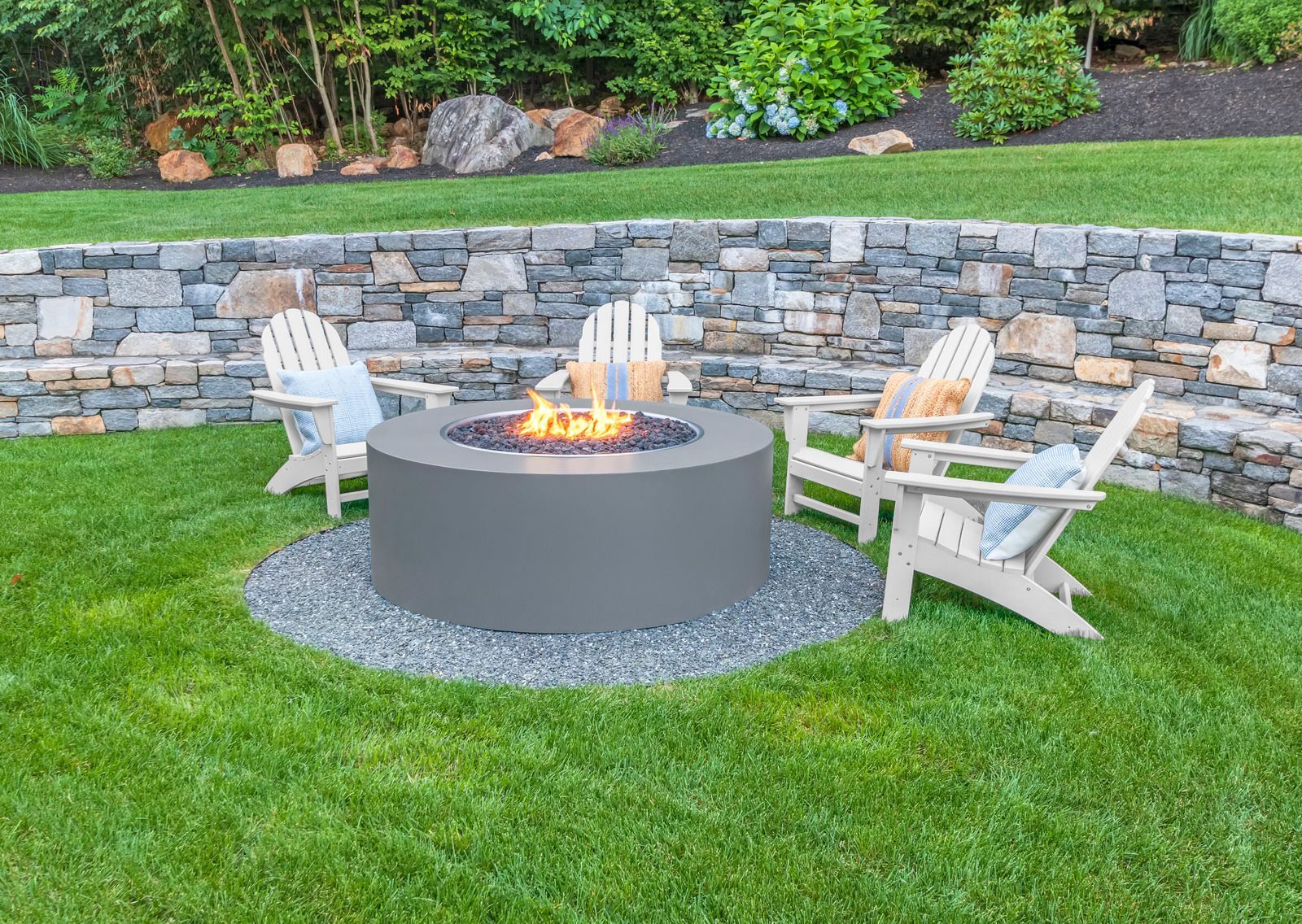
STAYING DRY
Drainage Around the Fire Area
Grading and pitch so the seating area sheds water and the pit itself does not become a bowl that holds rain, which is what turns an unused fire pit into a mosquito problem.
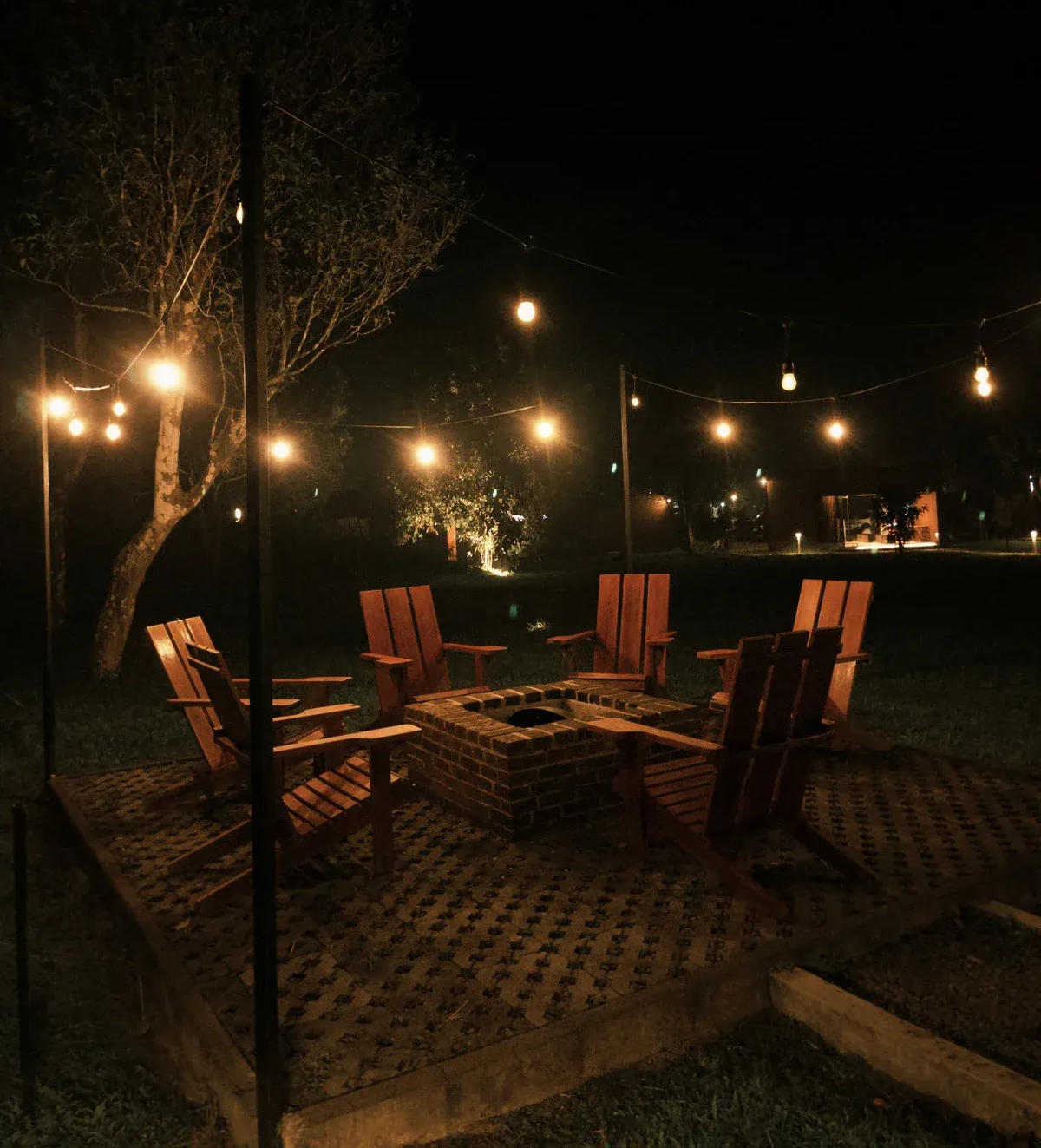
EVENING USE
Low-Voltage Lighting
Low-voltage lighting on the path in and around the seating edge, run during construction. Firelight handles the middle of the circle, but people still need to find the steps and the back door.
➜ THE WORD ON OUR WORK
WHAT OUR CLIENTS SAY.
The comments on fire pit projects tend to be about how often the finished space actually gets used through the year, which in the end is the only measure that really counts. Our overall score across 72 ratings and reviews sits at 4.7.
➜ Common Questions
FREQUENTLY ASKED QUESTIONS.
Fire pit questions split fairly evenly between the rules and the design. Here is what people ask most often before deciding exactly where to put one.
Can I have a fire pit in my backyard in Massachusetts?
Check with your local fire department before purchasing or installing a fire pit. Whether it can be used—and under what conditions—depends on your location, the equipment, and applicable restrictions. Confirm any required approvals and follow the manufacturer’s instructions.
How far should a fire pit be from the house?
The required clearance depends on the type of fire pit, its manufacturer’s instructions, and local requirements. Confirm these before choosing a location, and account for nearby structures, combustible materials, and overhead obstructions.
How big should a fire pit be?
Size should be based on the selected fire pit system, available space, seating layout, and applicable requirements. Allow room for the required clearances and movement around the seating area. We can discuss a layout that fits your yard and the way you want to use it.
Gas or wood: which is better for a fire pit?
Wood gives the crackle, the smell, and more heat. Gas lights instantly, produces no smoke or ash, and suits tighter spaces. Wood suits people who want the ritual; gas suits people who want the convenience.
What can be burned in a backyard fire pit?
Clean, dry, seasoned wood or charcoal only. Trash, brush, painted or treated lumber, and construction debris are prohibited, and accelerants should never be used to light or refresh the fire.
How far should seating be from the fire pit?
Roughly 3 feet of clearance between the pit edge and the front of a chair keeps people comfortable at full burn, with another 3 feet behind the seating so someone can walk past without squeezing through.
What surface should surround a fire pit?
A non-combustible one: pavers, natural stone, gravel, or concrete. Wood decking and mulch are poor choices directly beneath a fire pit because embers can smolder in them unnoticed for a surprising time.
Does a fire pit need drainage?
Yes. An open pit that holds rainwater will not light and will breed mosquitoes between uses. Gravel beneath the fire chamber and pitch across the surrounding surface solve it at construction stage.
➜ HOW WE WORK
fROM CLEAR GROUND TO FIRST FIRE, HERE IS HOW.
STEP 01
Review the Proposed Location
Review the proposed location in relation to the house, other structures, overhead obstructions, and nearby activity areas. Confirm applicable local requirements and manufacturer clearances before finalizing the layout.
STEP 02
Read the wind
Prevailing breeze, tree cover, and how air moves through the yard all get considered, so smoke tends to travel away from where people will be sitting rather than straight through the middle of the circle.
STEP 03
Design the circle
Pit dimensions, seating radius, walking clearance behind the chairs, and how the whole area connects back to the patio and the door are drawn out together before a single material choice gets made.
STEP 04
Pick the materials
Heat-tolerant surround options and the surrounding surface material are selected against the house and the existing hardscape, with samples brought out to the site rather than photographs shown to you on a screen.
STEP 05
Excavate and build
The base is dug out and compacted, the surround is built course by course, drainage is set beneath the fire chamber, and the surrounding surface is laid to pitch around it so water always leaves.
STEP 06
Light it and hand it over
We run through safe operation, clearance, and what can and cannot be burned, then finish the surrounding planting and lawn repair so the area is genuinely complete on the first evening you use it.
➜ GET YOUR FREE ESTIMATE
FIND OUT WHERE YOUR FIRE PIT CAN GO, FREE.
We will measure the clearances, read the wind across the yard, and mark out a location that works with both the property and the rules. Then you get a design and a number, with no obligation attached.
WHAT YOUR ESTIMATE COVERS:
- Clearance measurement from all structures
- Wind and smoke direction assessment
- Seating radius and layout sketch
- Heat-tolerant material options
- Patio integration pricing
- 10% military discount available