

➜ Mulch & Decorative Stone Installation
MULCH AND DECORATIVE STONE INSTALLATION IN Middleborough, MA & Surrounding Areas
Mulch works at 2 to 3 inches of depth. Below that it will not suppress weeds, and above it starts holding water against stems and slowly suffocating the shallow roots underneath. That single measurement decides whether a planting bed thrives or slowly declines. Swift Landscape and Design installs to it every time. This page covers organic and inorganic mulch, decorative stone, depth and coverage calculation, weed barrier, and bed edging for residential and commercial properties across Middleborough, MA & Surrounding Areas.
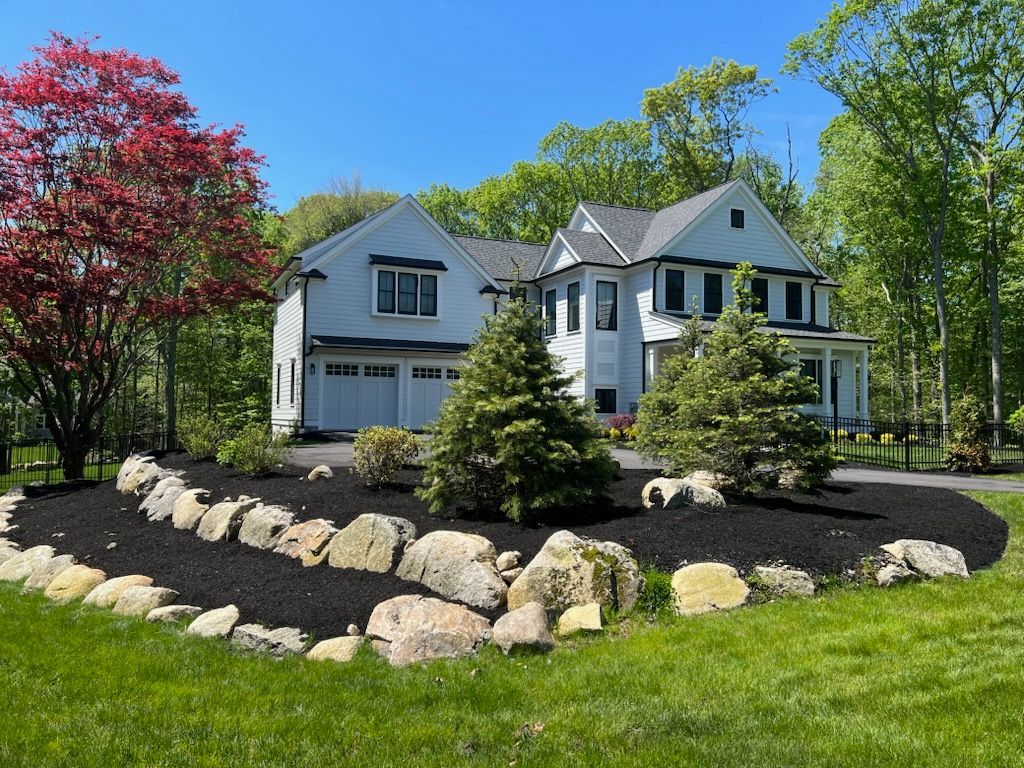
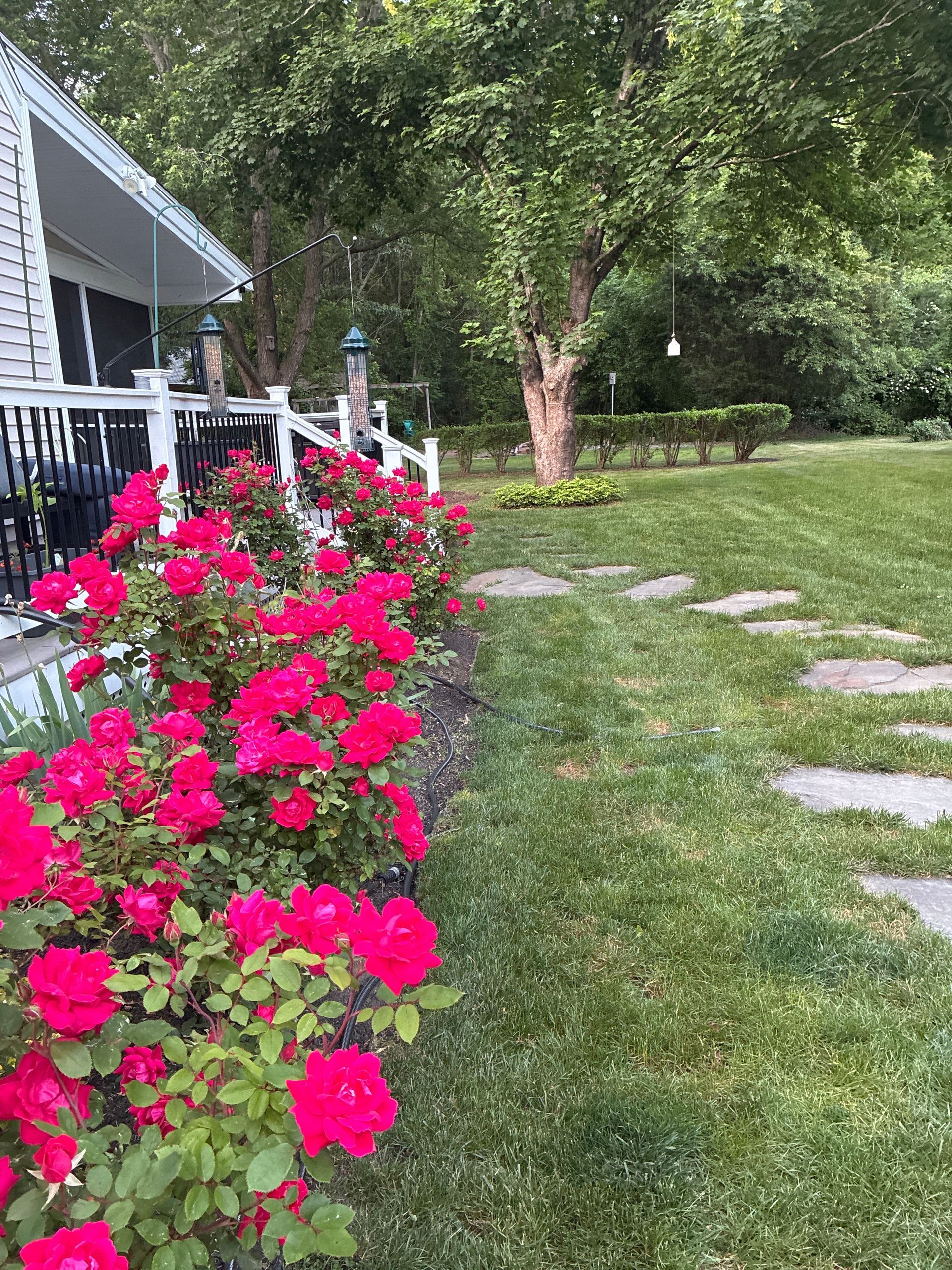
MULCH WORKS AT 2 INCHES, NOT 6.
Every spring, beds get another layer dumped on top of the last one until the mulch is six inches deep and the shrubs are dying of it. Roots need oxygen. Bark piled against a trunk holds moisture where the bark should stay dry, invites rot and rodents, and encourages roots to grow up into the mulch instead of down into the soil.
We measure existing depth before ordering anything. Sometimes the honest answer is that your beds need edging and a light refresh, not another six yards.
- Existing depth measured before we order
- Finished depth held at 2 to 3 inches
- Mulch pulled back from trunks and stems
- Beds cut and edged before material goes down
➜ MULCH AND DECORATIVE STONE INSTALLATION
BEDS FAIL AT THE EDGES FIRST.
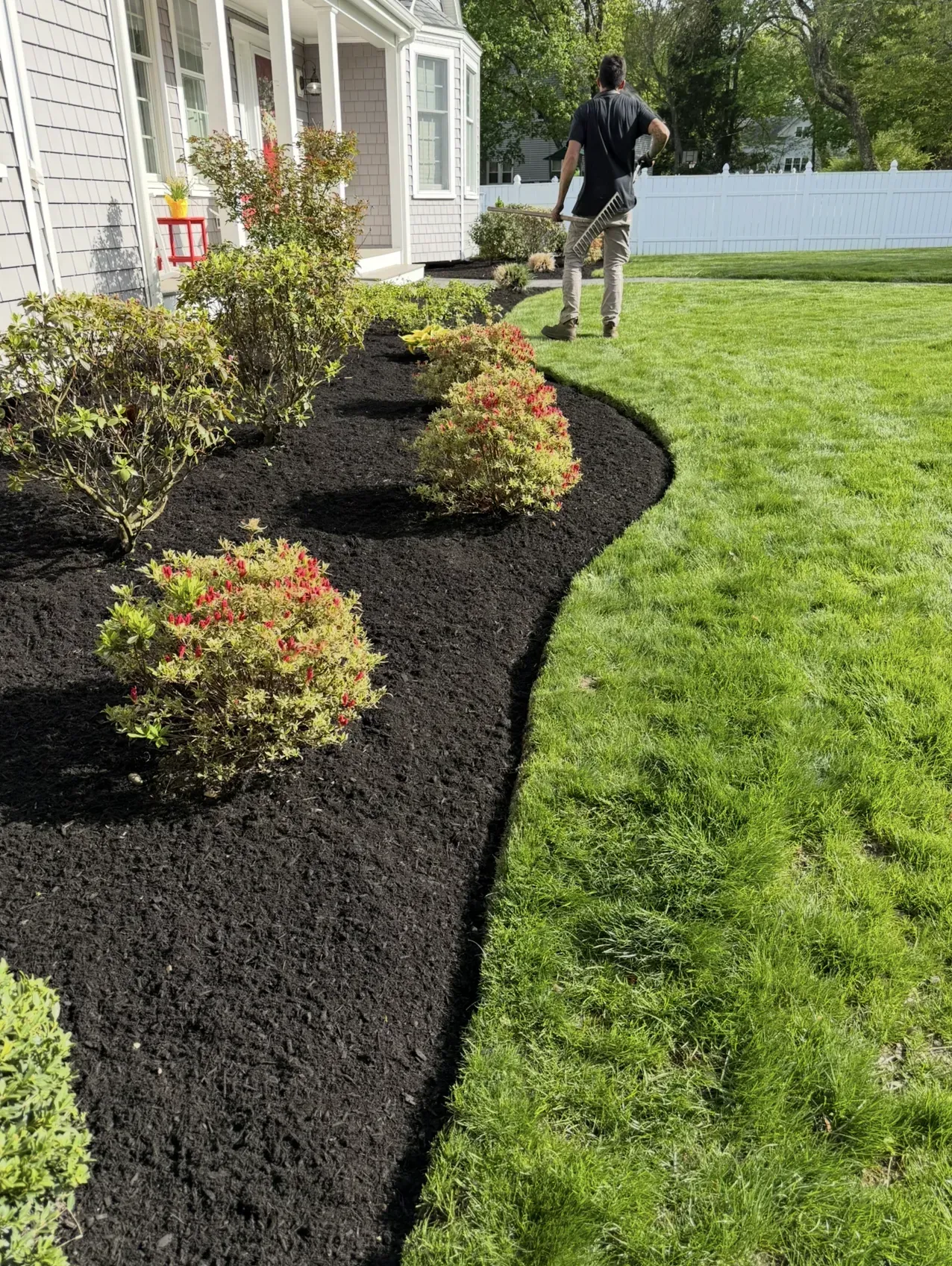
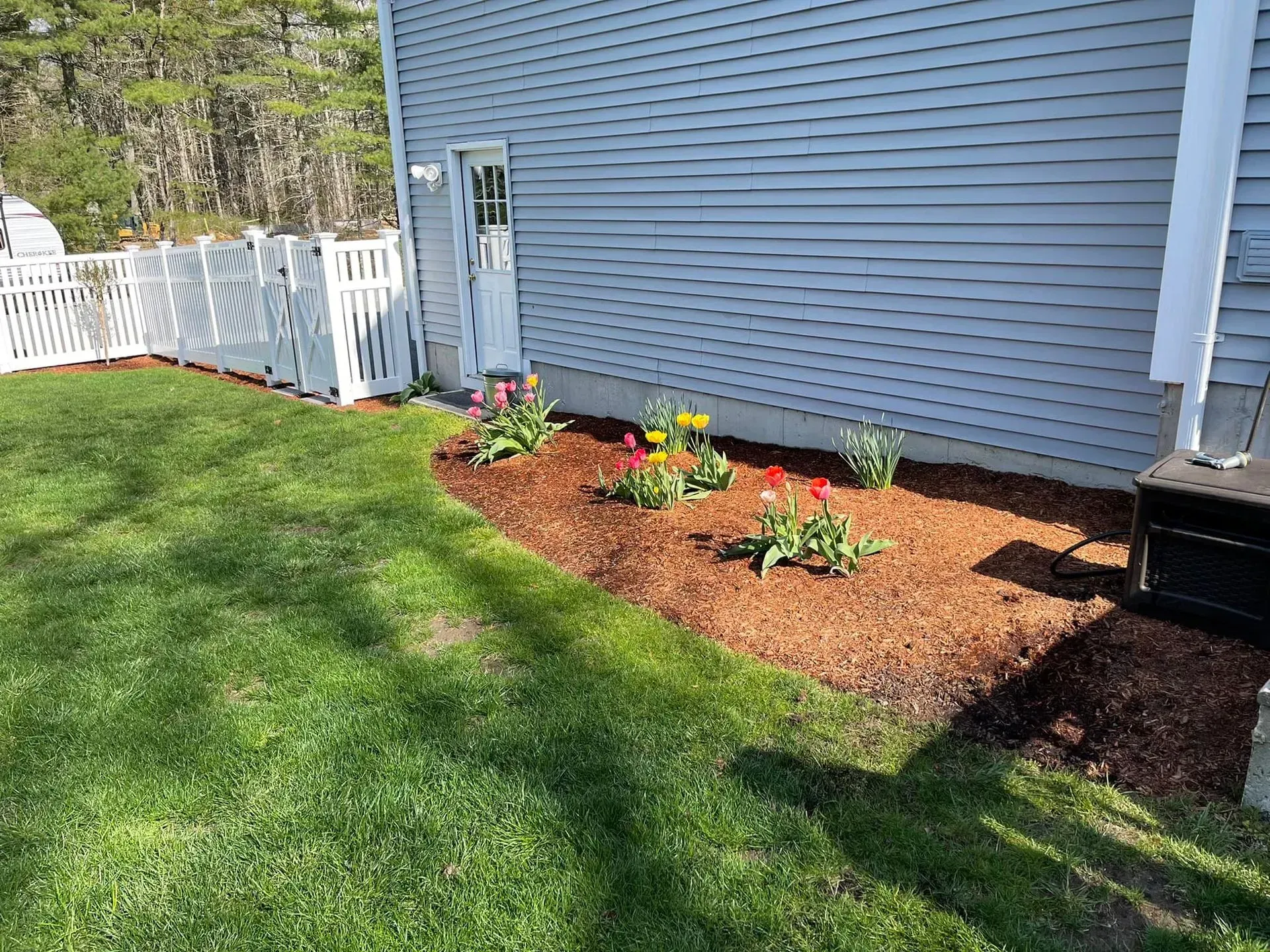
A crisp cut edge is what separates a maintained property from a tired one, and it does real work beyond appearance. A defined trench edge stops turf from creeping into the bed, keeps mulch from washing onto the lawn every heavy rain, and gives the mower a clean line to follow so nothing has to be trimmed by hand. We cut that edge before material arrives, because mulch spread against a ragged border simply moves the problem under a fresh coat.
CRANBERRY COUNTRY DRAINS FAST AND DRIES FASTER.
The sandy, gravelly ground common through this part of the state sheds water quickly, which changes what belongs on top of it. Organic mulch matters more here because it holds moisture that sand will not, and it breaks down into the soil structure these beds are short on. On slopes and along downspouts, stone stays put where bark would float away. Reading the ground first is how the two get assigned correctly.
YARDAGE IS ARITHMETIC, NOT A GUESS.
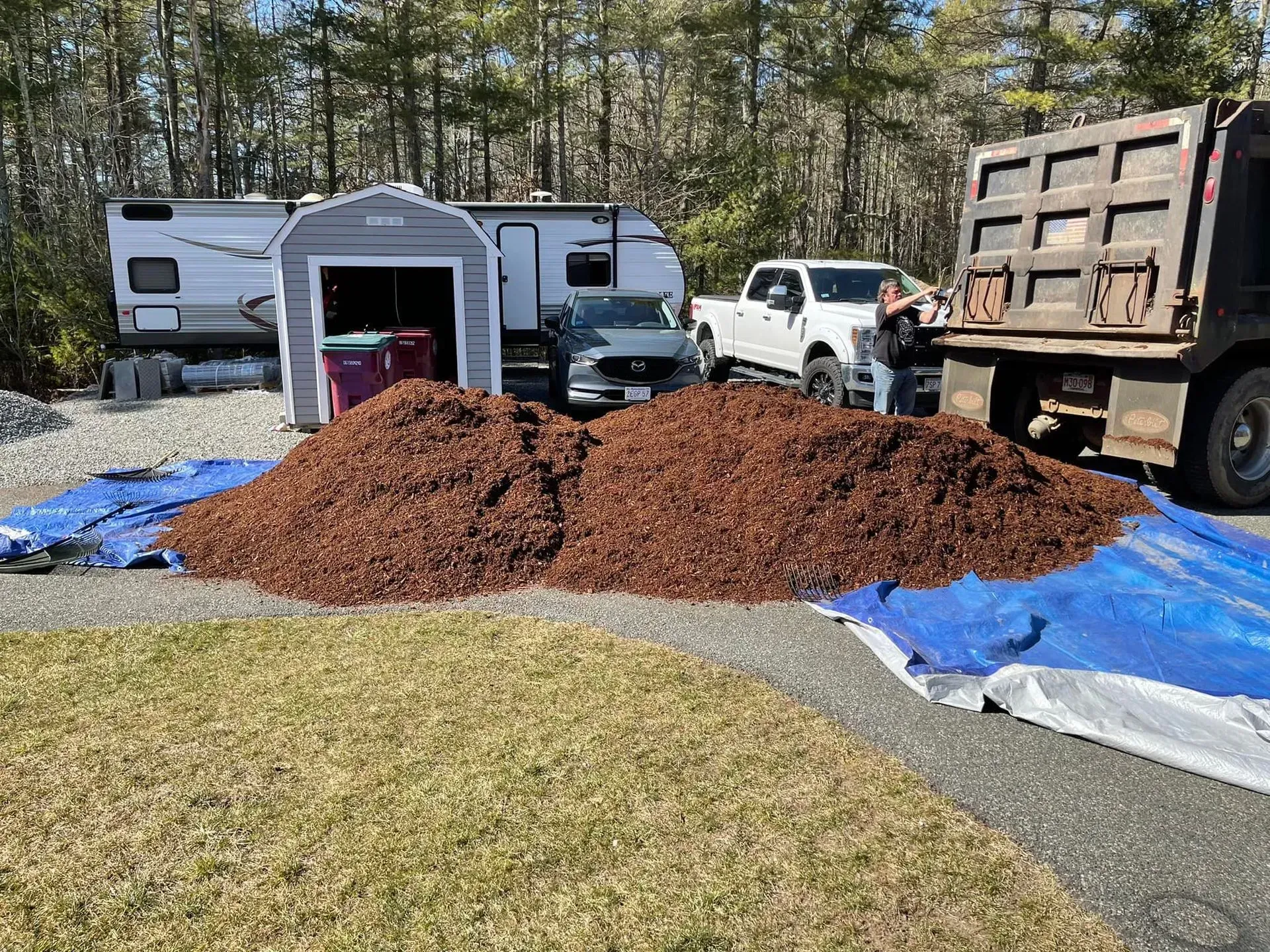
Guessing at coverage is how properties end up with mulch volcanoes or a half-finished bed. We measure square footage, subtract what is already down, and calculate to the yard so material arrives matched to the job. Correct depth is also the difference between suppressing weeds and feeding them, since thin mulch lets light through and thick mulch becomes a seedbed of its own. When did anyone last check how deep your beds actually are?
WHY CHOOSE US FOR MULCH AND DECORATIVE STONE INSTALLATION.
DEPTH MEASURED, NOT GUESSED
We check what is already in the bed and order the difference. You pay for the material your property needs instead of a standard number of yards applied to every house on the street.
EDGES CUT FIRST
Every bed gets a defined edge before material goes down. It is the step that makes mulch look intentional rather than dumped, and it keeps the line clean through the season.
THE RIGHT MATERIAL PER BED
Bark near thirsty plantings, stone on slopes and along foundations, and different choices for a front walk than for a back fence line. One property often needs both, assigned by function.
NOTHING PILED ON TRUNKS
Mulch gets pulled back from stems and trunks so bark stays dry. It takes longer to do and it is the difference between a shrub that thrives and one that quietly rots.
CLEAN SURFACES AFTER
Walks, drives, and lawn edges are blown off before we leave. No stray bark on the pavement and no mulch tracked across the grass by a wheelbarrow.
FOLDED INTO YOUR PLAN
Annual mulching sits naturally inside a yearly budget plan alongside cleanups and mowing, so the spring bed refresh stops arriving every year as its own separate and unwelcome invoice.
➜ WHAT WE INSTALL
OUR MULCH AND STONE WORK
Six services cover bed surfacing from the first measurement through the final cleanup. Most properties need a combination, with organic material in planting beds and stone wherever water or traffic makes bark impractical.
BARK AND WOOD
Organic Mulch Options
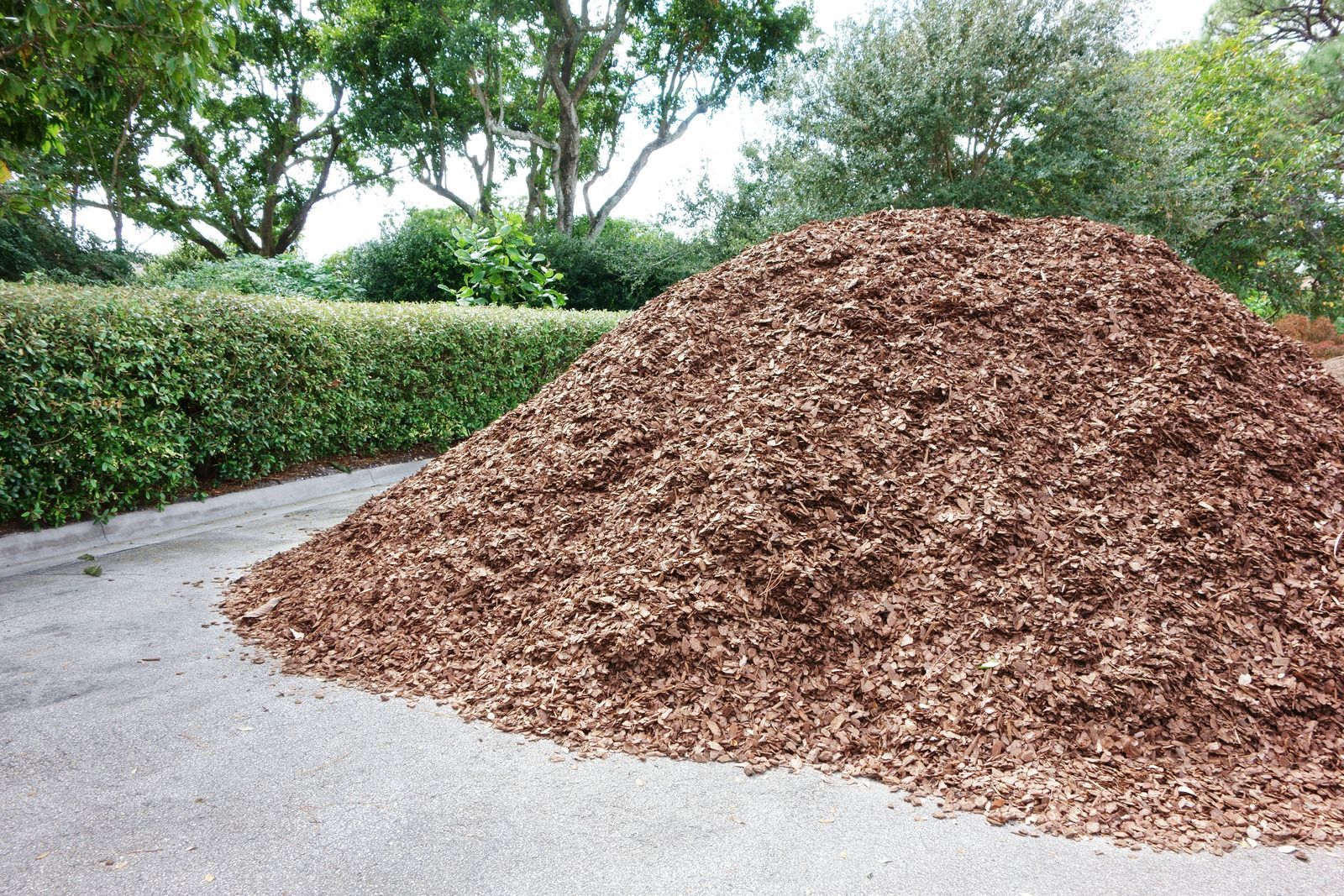
Shredded bark and wood mulch in natural and dyed colors, chosen for how it knits together on a slope and how quickly it breaks down. Organic material feeds soil structure as it decomposes each season.
STONE AND GRAVEL
Inorganic and Decorative Stone
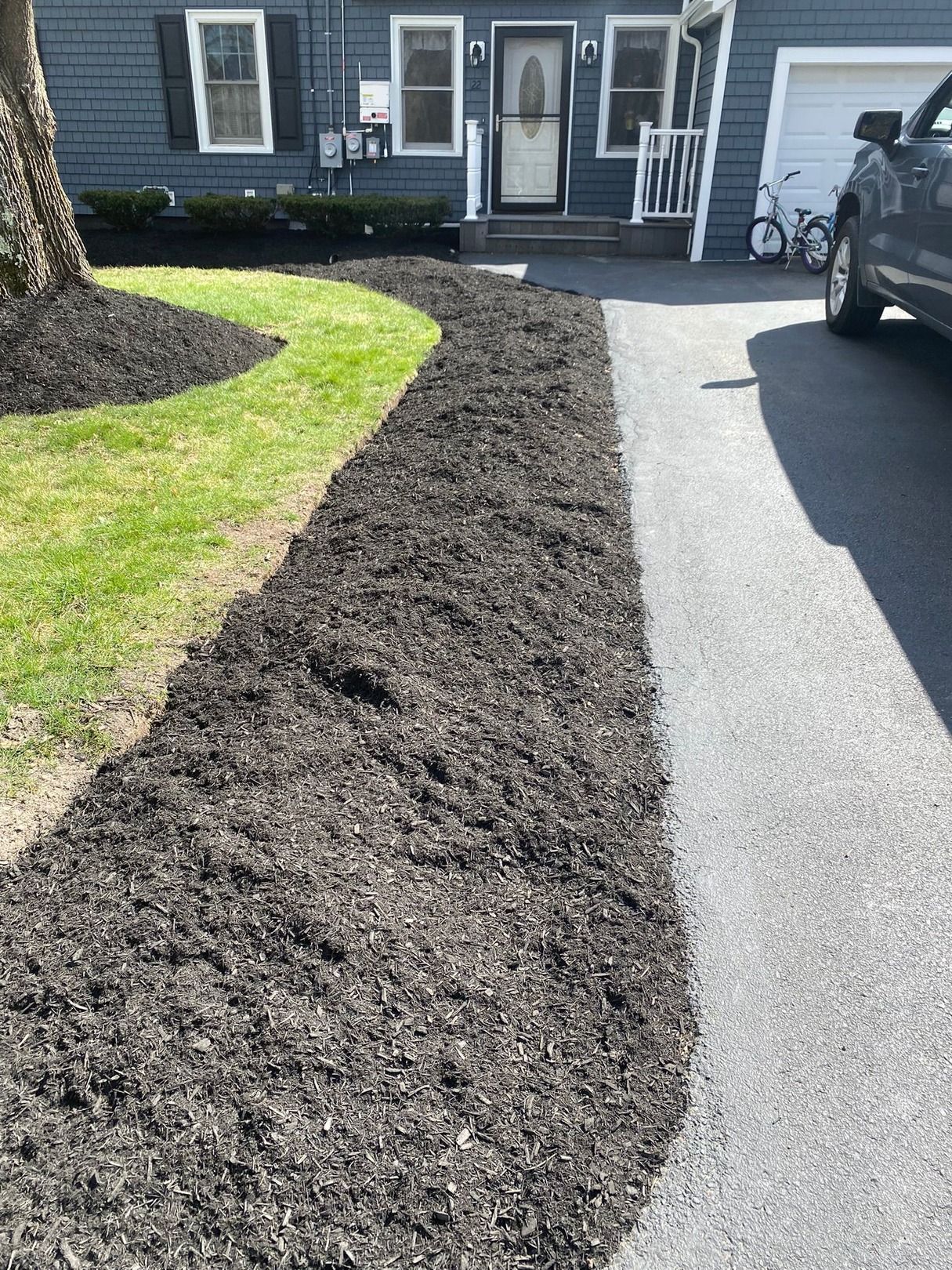
River rock, crushed stone, and decorative gravel for areas where bark washes out or where you want a surface that will not need replacing. Sized and colored to suit the planting and the house.
MATH FIRST
Depth and Coverage Calculations
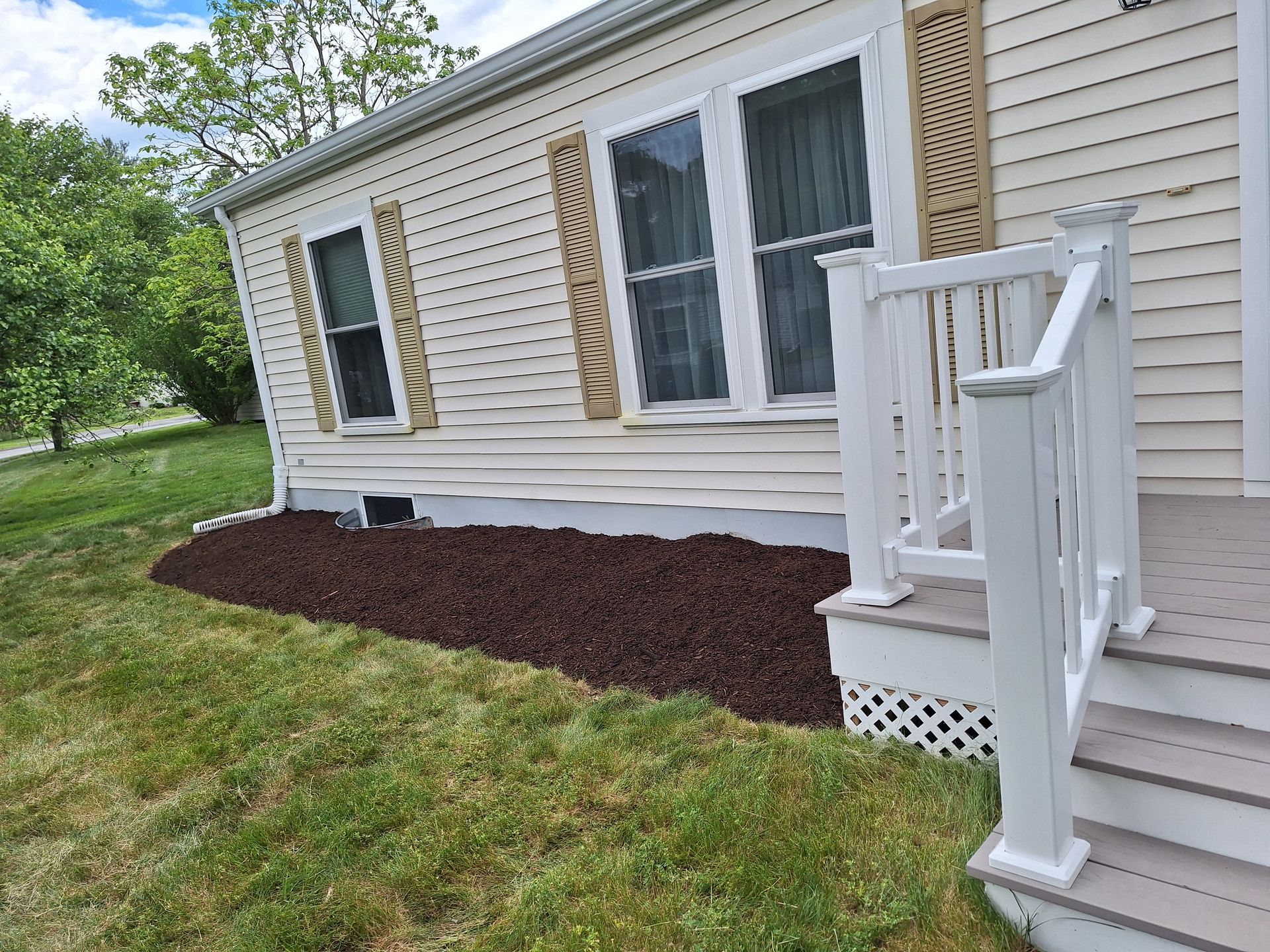
Bed areas measured, existing depth checked, and volume calculated to the cubic yard before anything is ordered. Accurate numbers mean no shortfall halfway through the job and no surplus pile left in your driveway.
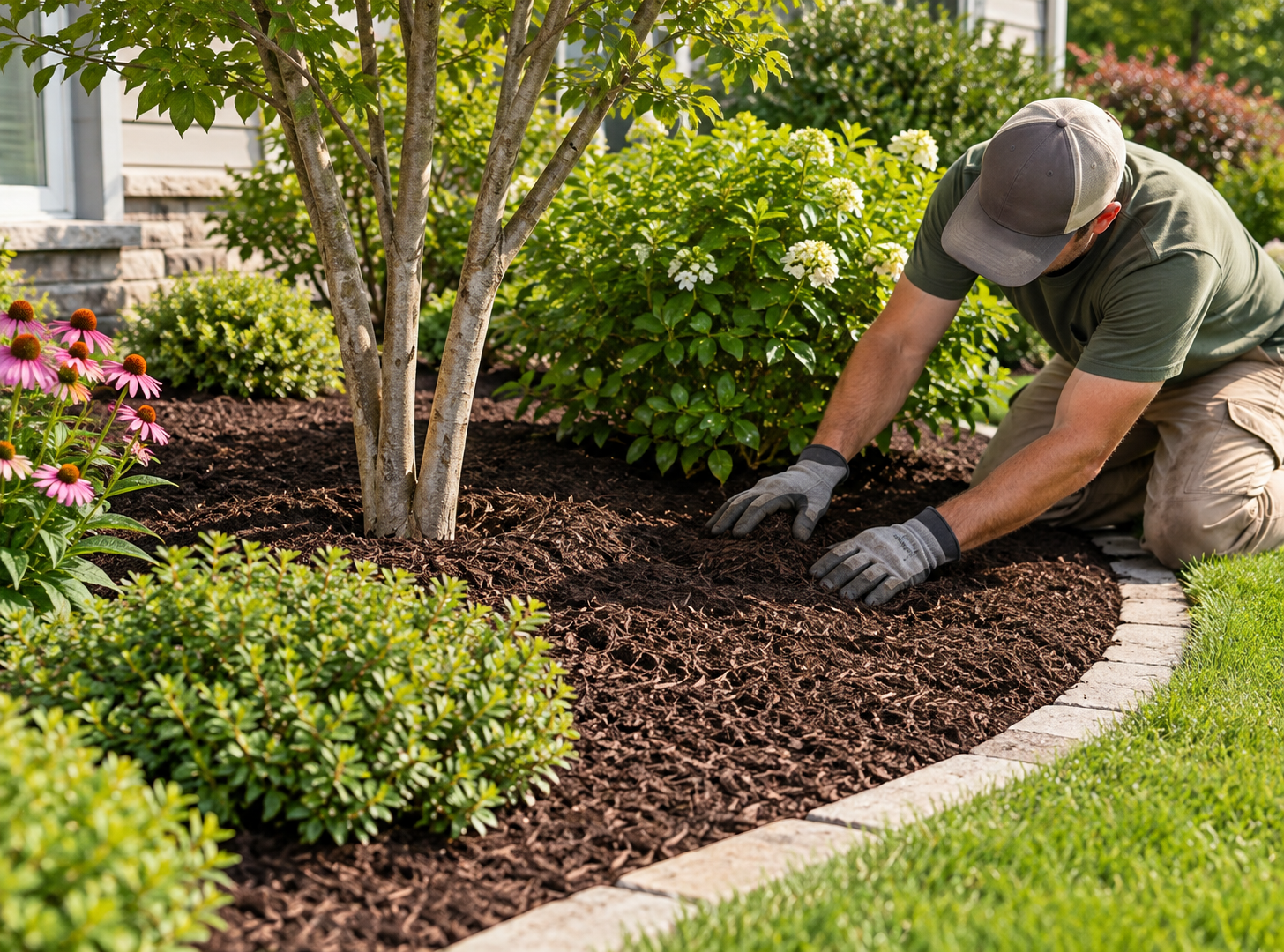
PROPER METHOD
Correct Installation Technique
Material is spread evenly by hand around plantings rather than raked in from a pile, kept off stems and trunks, and feathered at the edge so the finished surface sits level with the cut border.
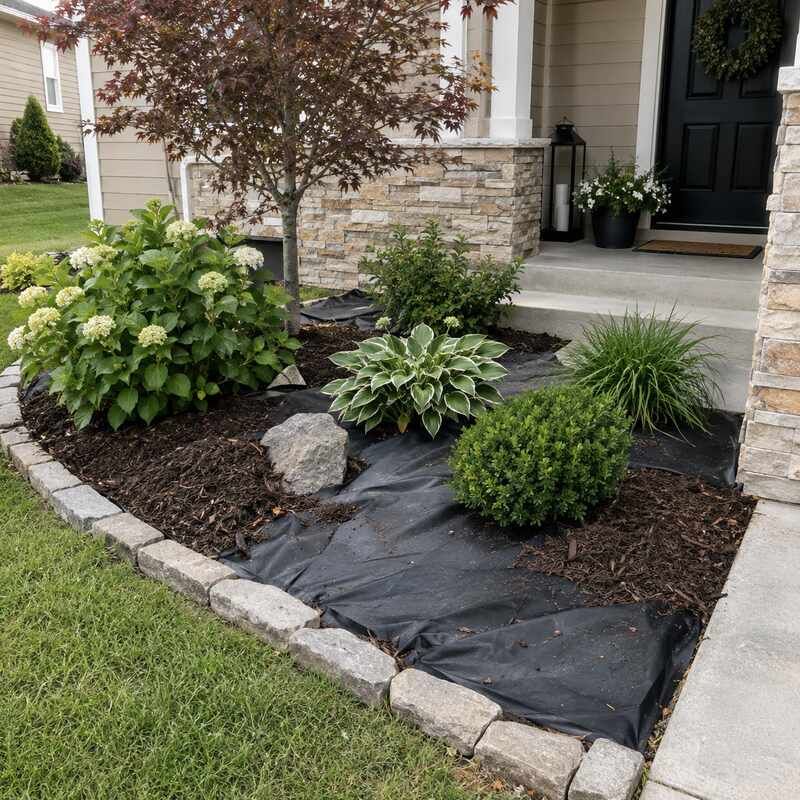
WEED CONTROL
Weed Barrier Application
Landscape fabric installed under stone where it earns its place, seamed and pinned properly. Under organic mulch it is often the wrong choice, and we will say so rather than sell it by default.
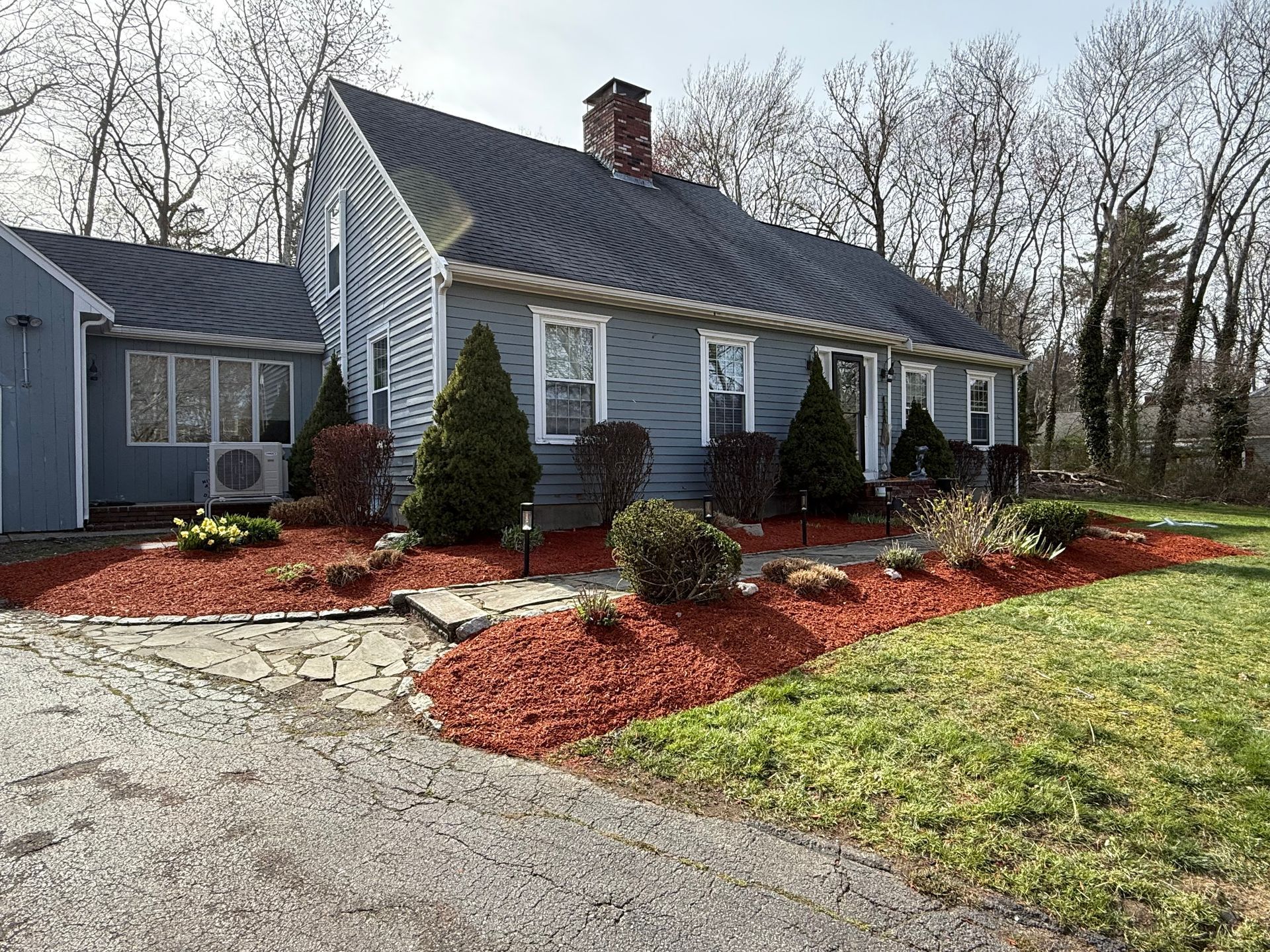
CLEAN BORDERS
Edging and Bed Preparation
Beds are cut to a defined trench edge, existing weeds are removed, and the surface is raked smooth before anything is spread. Preparation is what makes the finished bed hold its shape.
➜ THE WORD ON OUR WORK
WHAT OUR CLIENTS SAY.
Mulch is the job people judge from the street, and what we hear back reflects exactly that: clean edges, even color, and nothing left on the walkways afterward. Spring bed work makes up a large share of what we do every year.
➜ Common Questions
FREQUENTLY ASKED QUESTIONS.
Bed surfacing questions are practical ones about depth, timing, and which material belongs where. Here is what we tell people who ask before booking their spring refresh.
How deep should mulch be?
2 to 3 inches of finished depth. Less than that lets sunlight through and weeds germinate. More than three inches restricts oxygen to the roots and holds moisture against stems where it causes rot.
What is the best time of year to put down mulch?
Mid to late spring, once soil has warmed and spring bulbs have emerged. Mulching too early traps cold in the ground and slows growth. Swift Landscape and Design schedules bed refreshes across Middleborough, MA & Surrounding Areas around that window each year.
Do I need to replace mulch every year?
Not usually. Organic mulch decomposes gradually, so most beds need a partial top-up rather than a full replacement. Measure what is left first, and if you already have three inches, edge and fluff instead.
How much mulch do I need for my beds?
Measure length by width for each bed, then multiply by the depth you want in feet. One cubic yard covers roughly 160 square feet at 2 inches. Swift Landscape and Design measures every bed in Middleborough, MA & Surrounding Areas before ordering.
Should I put weed barrier under stone?
Under stone, yes, since it keeps rock from sinking into soil and blocks weeds from below. Under organic mulch it usually causes trouble, blocking decomposition while weeds root in the mulch above it.
What should be done before mulch goes down?
Pull existing weeds, cut a clean edge on every bed, and rake the surface smooth. Skipping preparation means weeds push straight through and the new layer highlights an untidy border instead of hiding it.
Does mulch attract insects?
Wood mulch can shelter ordinary garden insects, but it does not draw termites to a house on its own. Keeping mulch a few inches off the foundation and away from siding removes the concern entirely.
What mulch color holds up best?
Natural, undyed bark fades gently to gray-brown. Dyed black and brown hold color longer but need reapplication to look fresh. Color choice is aesthetic, and it should follow the house rather than the trend.
➜ HOW WE WORK
FROM TIRED BEDS TO FINISHED BEDS, HERE IS HOW.
STEP 01
Measure the beds
Square footage and existing depth get recorded bed by bed across the property, so the order matches what you actually need instead of arriving as a round number that leaves you short or with a surplus pile.
STEP 02
Match material to bed
Bark, dyed mulch, or decorative stone gets assigned bed by bed based on slope, plantings, sun exposure, and how the finished color will sit against the house and whatever hardscape you already have in place.
STEP 03
Clean out the beds
Weeds are pulled at the root, leaf litter and old debris are removed, and anything matted down over the winter gets broken up, so the new material lands on a workable surface rather than on last year's mess.
STEP 04
Cut the edge
A defined trench edge is cut along every bed line on the property. This is the step that holds the shape all season, keeps mulch off the lawn, and stops the mower from chewing into the border.
STEP 05
Spread to depth
Material is carried in and spread evenly by hand around the plants, finished at 2 to 3 inches, and deliberately pulled back from trunks, stems, siding, and the foundation so the bark underneath stays dry.
STEP 06
Blow everything clean
Walks, driveways, patios, steps, and lawn edges are all cleared of stray material before we load up, so the property looks finished the moment we pull out of the driveway rather than the following weekend.
➜ GET YOUR FREE ESTIMATE
LET US PRICE YOUR BEDS PROPERLY, FREE.
We will measure the beds, check what depth is already there, and tell you whether you need a full install or just an edge and a refresh. The estimate is free and the honest answer comes with it.
WHAT YOUR ESTIMATE COVERS:
- Bed measurement and existing depth check
- Material recommendation per bed
- Accurate yardage, not a round number
- Edging and cleanup included in the price
- Stone and organic mulch options
- 10% military discount available